
Best Casino in Melbourne: Hotels, Gaming and What to Know
Table of Contents
- Casino Hotels in Melbourne: What to Expect
- Poker Rooms and Gaming Facilities at Melbourne Casinos
- Parking Options for Casino Visitors
- Accommodation Near Melbourne Casinos
- Contact Details and Services at Melbourne Casinos
- Dining, Buffets, and Employment Opportunities
- Operational Hours and Regulatory Framework
- Restaurant Choices Within Melbourne Casinos
- Spa and Wellness Services at Casino Resorts
- Food Courts and Pool Areas: Amenities Overview
Casino Hotels in Melbourne: What to Expect
A hotel tower built on top of a gaming floor is a different animal from a hotel that happens to be near one. I’ve stayed in both, and the difference shows up in small details before you ever pull back the curtains: the lift bank that opens straight onto the casino level, the "quiet floor" that isn’t actually quiet until well past midnight, the room key that also doubles as a loyalty card.
Melbourne’s casino resort runs on this model. The rooms sit in towers stacked directly above the gaming and entertainment levels, so the walk from check-in to a blackjack table is measured in minutes, not a taxi fare. That’s the whole pitch, and it’s a real one — but it comes with trade-offs worth knowing before you book.
Proximity has a price, and it isn’t just money
Rooms closer to the gaming floor tend to book out first, especially around events, and the resort prices them accordingly. What you’re paying for isn’t better linen or a bigger bathroom — it’s fewer minutes between your door and a poker table. Higher floors, further from the lift banks that feed the casino, are usually quieter and often cheaper for a comparable room size. If sleep matters more to you than a two-minute commute downstairs, ask for one of these when booking rather than assuming the "premium" tier is automatically the better stay.
Since online casinos operating in Australia are typically licensed offshore, checking each platform’s licensing, bonus terms and payout speed helps narrow down which sites are worth a closer look before you sign up.
License: Curacao – Antillephone N.V. (Versus Odds B.V.) · Bonus: up to EUR 2,000 across 5 deposits + 200 free spins · Min. deposit: EUR 20 Licensed by Curacao’s Antillephone N.V., it offers a multi-deposit welcome package spread across five deposits plus free spins, with a modest minimum deposit requirement.
Bonus: up to A$750 + 50 jackpot spins, 35x wagering · Payout speed: crypto ~90 minutes, fiat 1-5 days · Min. deposit: A$30 Stands out for its crypto payout speed of around 90 minutes, alongside a jackpot spins bonus and a low minimum deposit for a fiat-friendly entry point.
License: Curacao eGaming (Hollycorn N.V., since 2017) · Bonus: 225% up to A$1,540 + 600 free spins across 4 deposits, 20x wagering · Min. deposit: A$20-30 (depends on the offer) An established Curacao eGaming licensee operating since 2017, offering a sizeable percentage-based bonus with free spins spread across four deposits.
Bonus: up to A$7,500 + 550 free spins across 10 deposits, 50x wagering · Payout speed: crypto under 1 hour, PayID 1-3 business days · Min. deposit: A$20 (A$30 to qualify for the bonus) Offers one of the more extensive welcome packages spread across ten deposits with free spins included, plus fast crypto payouts and reasonably quick PayID processing.
License: Curacao Gaming Control Board · Bonus: up to A$5,000 + 400 free spins Holds a Curacao Gaming Control Board licence and pairs it with a large welcome bonus that includes a solid batch of free spins.
License: Curacao Gaming Control Board OGL/2023/174/0082 (Dama N.V.) · Bonus: up to A$5,000 + 300 free spins across 4 deposits Operates under a specific Curacao licence held by Dama N.V., backing a substantial bonus with free spins spread across four deposits.
License: Curacao · Bonus: 100% up to A$500 + 200 free spins, 10x wagering · Payout speed: crypto 30-60 minutes, fiat 1-5 days · Min. deposit: A$10 A Curacao-licensed option with a low minimum deposit and quick crypto payouts, plus a welcome bonus with comparatively light wagering requirements.
License: Curacao eGaming OGL/2023/174/0082 (Dama N.V.) · Bonus: up to A$10,000 + 500 free spins across 4 deposits · Min. deposit: A$15 Licensed through Curacao eGaming under Dama N.V., it offers one of the larger bonus ceilings on this list along with a low minimum deposit.
License: Curacao OGL/2024/1335/0780 · Bonus: up to A$1,000 + 150 free spins, wager-free · Min. deposit: EUR 20 Holds a recent Curacao licence and offers a wager-free bonus structure, which is a notable point of difference for bonus terms.
License: Curacao Gaming Control Board OGL/2023/176/0095 (Hollycorn N.V.) · Bonus: up to A$11,000 + 300 free spins (code NEO100) Licensed by the Curacao Gaming Control Board via Hollycorn N.V., it features a high bonus ceiling paired with a bonus code offer.
What the rooms actually offer
Room quality across the tower is consistent rather than variable by wing — this isn’t a property where one block is tired and another renovated. Expect standard hotel-grade fit-outs, with suites and higher categories offering more space and better views over the Yarra rather than a fundamentally different experience. The gap between a standard room and a suite here is about square metreage and outlook, not about proximity to the floor — that’s controlled separately by which tower and level you’re assigned.
Where the hotel model pays off is logistics, not luxury. No walking through a car park at 1am, no waiting on rideshare surge pricing after a big win or a bad one, no separate security check between your room and the tables. For visitors who plan to spend a full evening on the floor, that convenience is the actual product being sold — everything else is standard big-hotel fare.
Who this suits, and who it doesn’t
Given that 72.8% of Australian adults reported gambling in the past 12 months, and per-capita gambling bets sat at AUD 9,885 with average losses around AUD 1,200 in FY 2020-21, it’s fair to say a large share of guests booking these rooms are combining a night’s stay with time on the floor rather than treating the hotel as a standalone city stay. That’s the market the pricing and the room allocation are built around.
If you’re visiting Melbourne for other reasons — a show, a conference, a weekend away — and just want proximity to the casino without making it the centre of the trip, a room in the tower still works, but you’re paying for a location you might not fully use. Booking a room a short walk away, covered separately when it comes to nearby accommodation, can make more sense for that kind of stay.
Booking timing
Rooms in the casino tower move fastest around major events on the gaming or entertainment calendar, and rates climb well before the weekend of the event itself. Booking direct through the resort sometimes surfaces room-only rates that package sites don’t show, particularly on weeknights outside peak periods. Worth checking both before assuming the aggregator price is the floor.
The honest summary
"Integrated resort" is the term the property uses in its own marketing. What it means in practice: a hotel where the gaming floor is a lift ride away, room quality doesn’t vary much by which side of the tower you’re on, and the premium you pay buys convenience, not comfort. Know which one you’re actually paying for.
Worth the money if the floor is the point of the trip.
Poker Rooms and Gaming Facilities at Melbourne Casinos
A poker room is where a physical casino either proves itself or gets exposed. Anyone can bolt a few tables to a wall and call it a room. Whether it runs a proper schedule, keeps a waiting list moving, and staffs dealers who know the difference between a misdeal and an angle shot — that’s the part brochures skip.
Melbourne’s main gaming floor separates poker from the pokies pit both physically and culturally. Pokies players come and go on their own clock; poker has a rhythm built around session times, tournament fields and staff who track a much smaller number of regulars by name. That distinction matters if a visitor’s expectation is a table game with a rake and a structure, not a machine with a return-to-player setting baked into the software.

What actually happens in the room
Cash games run in the usual spread of stakes, with tables opening and closing depending on demand rather than a fixed roster — which is a polite way of saying a quiet Tuesday afternoon might have one table live instead of six. Tournament schedules are published in advance and change often enough that treating any printed grid as permanent is a mistake. The practical move is to confirm the day’s board on arrival rather than plan a session around a schedule seen online weeks earlier.
Dealers rotate through shifts on a fixed clock, which is standard practice everywhere and not a Melbourne quirk — worth mentioning only because players sometimes assume a slow dealer change means something is wrong with the table.
Sports bar and gaming lounge
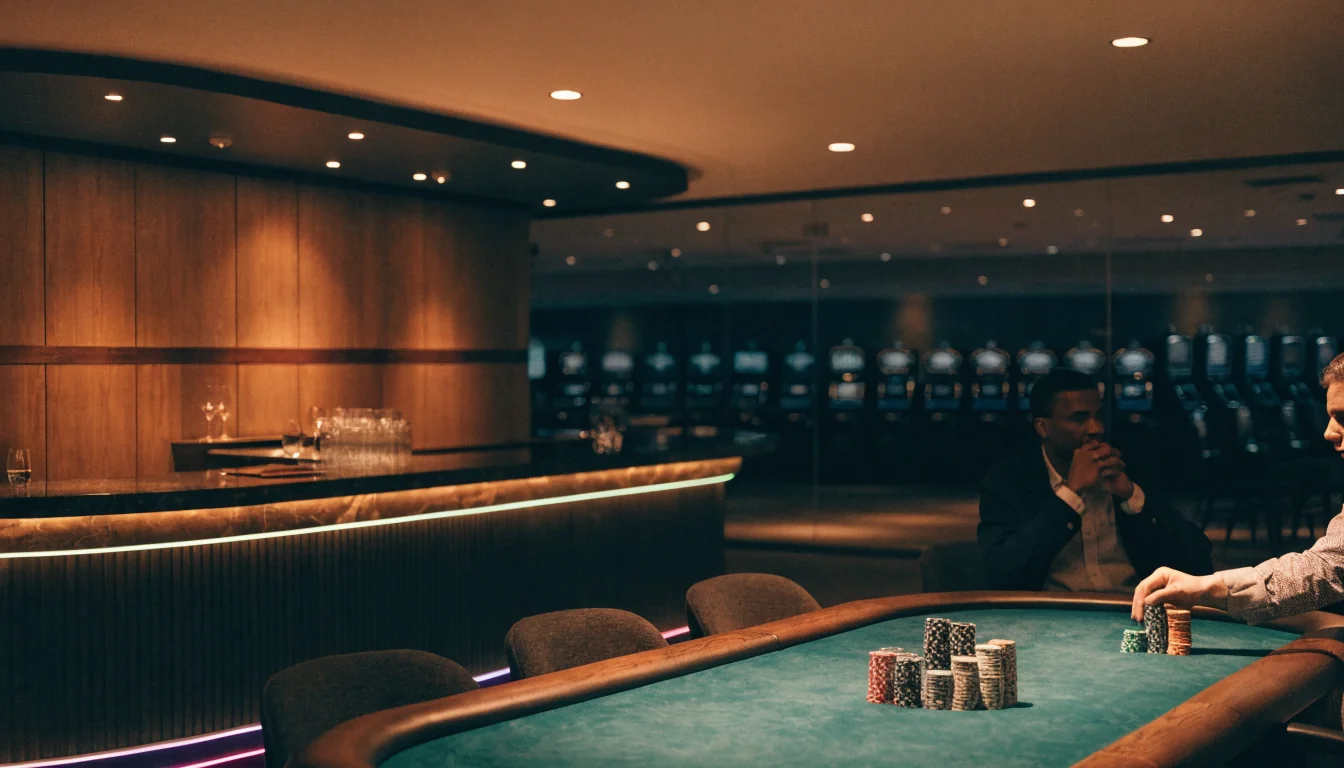
The sports bar sitting near the gaming floor does what sports bars in casinos always do: gives people somewhere to watch a race or a match without occupying a seat at a table. It’s not a poker room and it’s not styled as one, but it’s often where players wait out a tournament break or kill time before a seat opens up. Screens, a full bar service, and proximity to the gaming floor are the whole pitch — nothing more elaborate than that.
Reading the room honestly
None of this changes what the numbers say about the wider market. Gambling losses across Australia ran to $31.5 billion in 2022–23, and just over a third of adults gambled at least weekly in 2022. A poker room, run properly, doesn’t hide from that — it’s a controlled environment with visible dealers, visible chips, and a rake that’s stated up front, which is a different thing entirely to a machine nobody can audit from the outside. That’s not a defence of the industry. It’s a description of why poker rooms tend to attract a different crowd than the pokies floor: people who want to see the mechanics of the game they’re playing.
It’s also worth being blunt about scale. Somewhere between 80,000 and 160,000 Australian adults experience significant gambling problems, and a poker room — however well run — is still a room designed to keep people playing longer than a single hand. Staff enforcing session breaks or point-of-sale limits aren’t doing the player a favour out of sentiment; it’s part of the operating licence. Good rooms make that visible instead of pretending it isn’t there.
Practical notes for a visit
- Tournament boards change daily — check on-site, not from memory of an old schedule.
- Cash tables scale up or down with footfall; midweek afternoons are the quietest.
- The sports bar is adjacent to, not part of, the poker room — expect a different noise level and a different crowd.
- Dealers and floor staff are the fastest way to confirm buy-ins, wait times and any temporary table closures.
None of it requires guesswork once inside. The room tells you what it is within a few minutes of standing at the rail.
Parking Options for Casino Visitors
Parking gets treated as an afterthought by most guides, which is odd given how much floor space a casino complex dedicates to it. Anyone who has circled a multi-storey car park at 11pm looking for a spot near the lifts knows it’s not a trivial detail.
Melbourne’s main casino site runs a large on-site multi-storey structure with direct indoor access to the gaming floor — no crossing a windswept plaza in the rain, no walking past three sets of doors before you hit a slot machine. That indoor connection is the actual selling point, more than the parking itself. Rates scale with time spent inside, and short visits cost less than an evening that runs past midnight. There’s no way around checking current signage at the boom gate, because operators adjust pricing periodically and a guide written months ago won’t match what the machine charges today.
Valet Parking
Valet service exists for people who don’t want to deal with any of the above. You hand over the keys at the entrance, someone parks the car, and you collect it on the way out. It’s priced as a premium over self-parking, and it’s genuinely useful during peak evening hours when the multi-storey fills up and circling for a spot burns more time than the valet fee is worth. Worth noting: valet queues themselves back up on Friday and Saturday nights, so the convenience has limits when everyone else has the same idea.
Free and Discounted Parking
"Free parking" gets thrown around loosely in casino marketing, and the reality is narrower than the phrase suggests. Discounted or waived parking is typically tied to a minimum spend on gaming, dining, or a hotel stay validated at a service desk — it’s not a blanket offer sitting at the entrance for anyone who walks in. If a rate looks too good, check what triggers it before assuming it applies to a quick visit. The casino isn’t handing out free parking as a courtesy; it’s a loyalty mechanic dressed up as one.
Off-Site Options Nearby
For visitors who’d rather skip the multi-storey altogether, there are commercial car parks within a short walk of the complex, generally cheaper for all-day parking than the on-site structure, though without the direct indoor link. It’s the trade-off: save on the rate, walk a bit further, deal with weather. Street parking exists in the surrounding area too, but metered restrictions and clearway times make it unreliable for anything longer than a quick errand — not something to rely on for an evening out.
Accessibility
Accessible parking bays sit close to the main entrances and lifts, in line with standard requirements for a venue of this size. Permit holders should still expect these bays to be in demand on busy nights, so arriving earlier rather than later helps.
A Practical Note on Cost
None of this parking spend is recoverable, and none of it interacts with tax in any way — gambling winnings themselves aren’t taxed in Australia, but that has nothing to do with what you pay to park the car. Gambling taxation happens at the state level, feeding into a revenue stream large enough that it made up 7.7% of state and territory taxation in 2015‑16. Parking fees are just an operating cost of the building, separate from all of that. Worth remembering when a "complimentary" rate is dangled as if it were a gift rather than a business decision.
The short version: budget for parking as part of the night out, not as a rounding error. It rarely is one.
Accommodation Near Melbourne Casinos
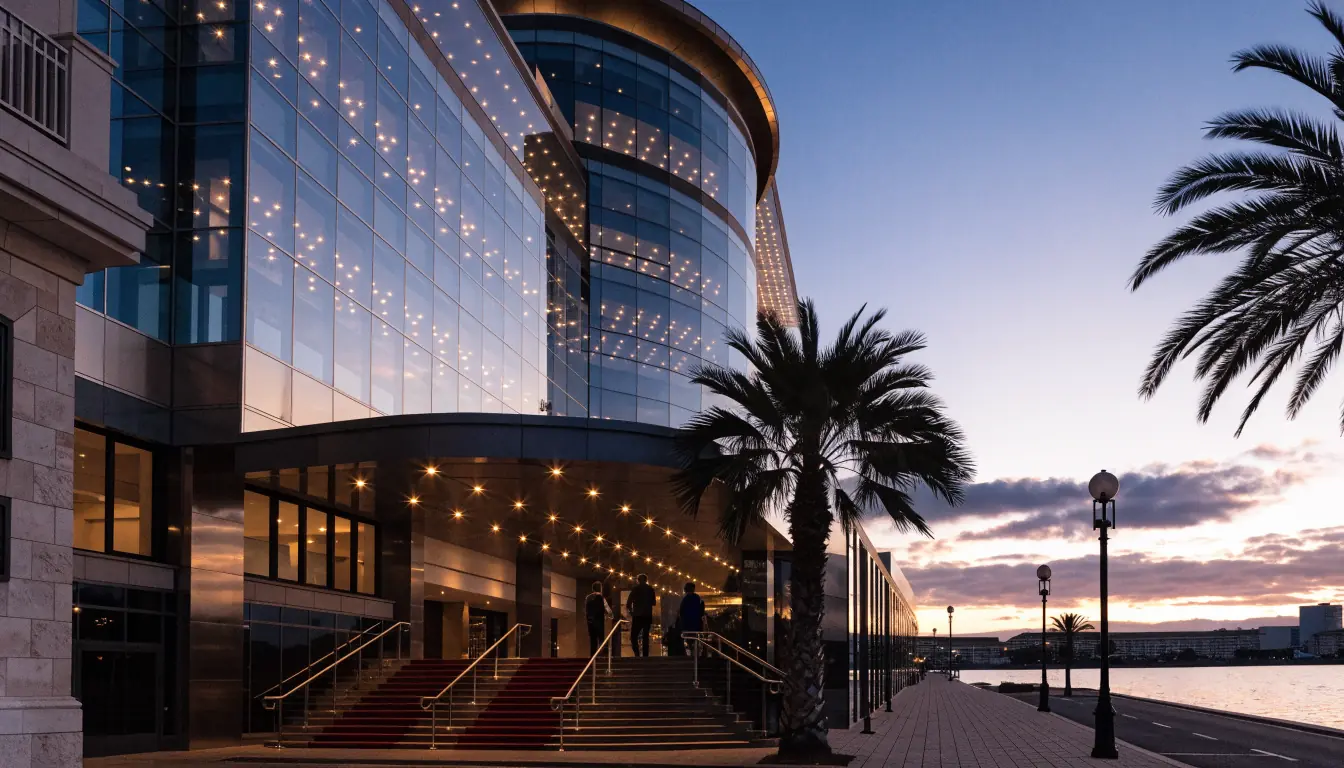
Not everyone wants the room upstairs from the gaming floor. Some visitors want a walk between the tables and the pillow — enough distance to remember they left, not so much that a taxi becomes part of the plan. Southbank and the surrounding stretch along the Yarra are built for exactly that gap.
Serviced apartments make up a large share of what’s on offer within a few minutes’ walk. They suit longer stays — a work trip that includes a night out, a weekend where you’re cooking half your meals rather than eating out for every one. Rates and floor plans vary by building and season, so I won’t quote numbers that go stale the moment a new promotion lands. What stays constant is the trade-off: apartments give you a kitchen and more space, standard hotel rooms give you daily housekeeping and a front desk that never sleeps.
What "walking distance" actually means
Real estate listings stretch the phrase further than most people would on a Friday night in heels or after a long session at the tables. A block that reads as "steps away" in marketing copy can still mean a ten-minute walk along a fairly exposed stretch of riverbank. Worth checking a map before booking rather than trusting the adjective.
Choosing between the options
A few things actually matter when picking a bed near the action:
- Distance to the entrance you’ll use — casinos this size have multiple entry points, and “near the casino” can mean near a side door facing a car park rather than the main approach.
- Noise exposure — riverside rooms often face foot traffic and nightlife strips; rooms on the opposite side of a building trade the view for quiet.
- Booking flexibility — apartments and independent hotels sometimes have stricter cancellation terms than the casino’s own booking channel.
- Check-in hours — smaller serviced apartment operators don’t always run a 24-hour desk, which matters if your flight or your night runs late.
None of this touches on what happens once you’re inside the gaming floor — that’s covered separately. This is purely about where you sleep and how far you walk to get there.
A note on where the online alternative fits
Some travellers assume that if the trip doesn’t come together, they can just play from the hotel room instead. Worth being precise about what that actually means under Australian law. The Interactive Gambling Act 2001 is the primary Commonwealth law governing online gambling here, and it was built around harm minimisation rather than convenience. It doesn’t criminalise the individual player who logs into an offshore-licensed site from a hotel Wi-Fi connection — the Act targets the operators offering the service, not the person placing a bet. That’s a narrow distinction, and it’s not an endorsement of doing it. It just means the legal risk sits somewhere other than where most people assume.
None of that changes the accommodation calculus. A room near a physical casino is booked for the room, the location, and the walk — not as a backup plan for something the law doesn’t actually clear for operators to offer here in the first place.
Booking timing
Availability tightens around major events and long weekends, the same as any inner-city precinct. If a trip is built around a specific date, the properties directly facing the entertainment complex fill first — the ones a street or two back tend to hold rooms longer.
Contact Details and Services at Melbourne Casinos
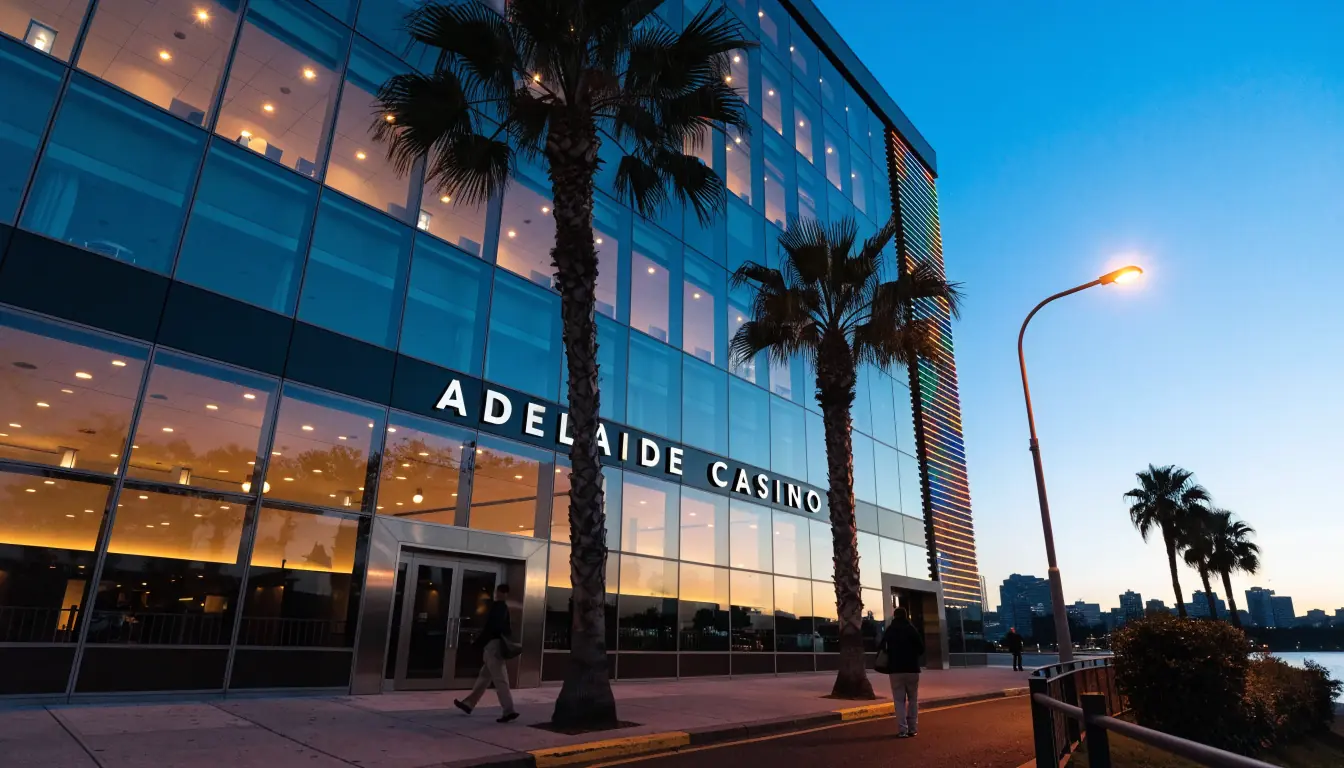
Finding a working phone number for a casino floor sounds trivial until you actually need one — say, to confirm whether a bar is open before you drive across town. Crown Melbourne, the property most people mean when they search for a casino in the city, publishes a general switchboard line and a separate events line, because the two departments genuinely don’t talk to each other much. Ask a reservations agent about gaming floor hours and you’ll get transferred. Ask the gaming desk about a function room and same thing happens in reverse. It’s not incompetence — it’s just how large venues split their staff, and knowing which line to call first saves a callback.
Email works for anything that isn’t urgent: function bookings, lost-property enquiries, general feedback. Response times vary by department, and nobody publishes a service-level target, so treat email as the slow lane and phone as the fast one.
What’s actually open, and when
Gaming floors at Melbourne’s major casino run long hours, effectively around the clock in the main areas, though individual bars, restaurants and the poker room keep their own schedules layered on top. That layering is the part people miss — the building being "open" doesn’t mean every bar inside is pouring. Check the specific venue’s hours, not just the casino’s.
A few practical notes worth carrying with you:
- Entry to gaming areas and access to any casino promotions is restricted to those 18 and over — checked at the door, not on trust.
- Online casino games, poker and in-play betting are prohibited under federal law in Australia, so none of this applies to an app on your phone. Everything here is about the physical floor.
On-site services beyond the tables
Bars inside Melbourne’s casino complex range from quick service points on the gaming floor to standalone lounges with their own identity and dress expectations. Some sit close enough to the tables that you can keep half an eye on a hand while you order; others are deliberately set back, built for people who want a drink without the noise.
Event spaces are a separate business line entirely, booked through the events contact rather than general enquiries. These rooms host everything from corporate functions to larger public shows, and availability runs on its own calendar — worth checking well ahead if the date matters.
A note on how this information gets checked
When we test a venue for this kind of practical detail — phone lines that actually connect, bars that are open when the website says they are — we don’t take the marketing page’s word for it. Reviewers deposit at least A$300 at each casino under review and test withdrawals as part of the same visit, on the logic that a venue’s front-of-house accuracy and its back-of-house payment reliability tend to travel together. A casino that fudges its bar hours online is more likely to fudge other details too.
Contact details change less often than opening hours, but both drift. A number that worked last year isn’t guaranteed this year. If a listing online contradicts what the venue itself tells you on the phone, believe the phone.
For anything involving deposits, withdrawals or account verification specifically, that’s handled by the casino’s own cage or cashier desk — a different contact again, and one no general enquiries line will resolve on your behalf.
Dining, Buffets, and Employment Opportunities
Breakfast at a casino resort works differently from breakfast anywhere else. The room is built for people who have either been up all night or are about to be. Buffet spreads at this hour tend to run longer and looser than the dinner service, with stations turning over slowly enough that nobody’s rushing you off a table. It’s a different rhythm from the sit-down restaurants covered elsewhere on this page — this is volume dining, priced and staffed for turnover, not for lingering over a wine list.
The word "buffet" gets used loosely across the industry. Sometimes it means a genuine all-you-can-eat spread with carving stations and a dessert bar; sometimes it’s a smaller breakfast bar dressed up with the same name. Worth checking what’s actually on offer before assuming the full spectacle. A casino "resort" label carries the same looseness — it can mean anything from a hotel-casino combo with a handful of food outlets to a genuine multi-venue complex with its own dining precinct. The term promises scale. It doesn’t guarantee it.
Rewards and how they touch dining
Loyalty programs at Melbourne casinos typically extend into the food and beverage side — points earned on gaming floor spend redeemable against buffet seats or restaurant credit. That’s a separate system from the ranking methodology used on this site, which has nothing to do with a venue’s own rewards tiers. Our weekly recalculation looks at bonus generosity, payout reliability, game library breadth, customer support responsiveness, and user feedback — all online-casino metrics. A property’s breakfast buffet or comp system doesn’t factor into that score, and it shouldn’t be confused with it.
Employment
Casino complexes are among the larger private employers in the hospitality sector locally, simply because of the number of venues under one roof — gaming floor, multiple kitchens, hotel operations, event spaces, retail. Roles range from dealers and pit staff to chefs, front-of-house, housekeeping and hotel administration.
What I’d say from having sat on the other side of a staffing conversation: turnover in these complexes is high, and that’s not a knock on the employer, it’s the nature of shift-based hospitality work stacked across a 24-hour operation. Postings appear directly through the venue’s careers page and general hospitality job boards rather than through a single centralised portal — there isn’t one clearinghouse for "casino jobs" the way there is for public-sector roles. Anyone actively looking is better off checking the specific casino’s own site than relying on aggregator listings, which lag.
Dealer positions usually require training provided by the casino itself; it’s not a skill people generally walk in with. Food and beverage roles are closer to standard hospitality hiring — same qualifications, same expectations, just inside a building that never really closes.
None of this overlaps with what these venues pay out to players or how their online arms are rated. The employment side of a casino complex and the online gambling product a reader might compare through a ranking site are two different businesses wearing the same name. Worth keeping that distinction in mind — a well-regarded employer on the hospitality side says nothing about payout reliability on the gaming side, and vice versa.
Operational Hours and Regulatory Framework
A physical casino floor in Melbourne runs on a published timetable, gaming tables open and close at set hours, poker rooms follow their own schedule, and the building itself has entry rules tied to the venue’s licence conditions. That’s the part most visitors see. What sits underneath it, the licensing structure that lets the venue operate at all, is a different animal entirely — and it’s worth understanding before anyone asks "is this legit" at a table.
Why "regulated" means something different here
There’s no single national gambling regulator in Australia. I’ve had conversations with people who assumed one federal body signs off on every casino and every betting product, and that’s simply not how the system is built. Regulation splits between state and territory authorities on one side, and federal law on the other. A physical casino answers to its state’s gaming and racing authority. Online products answer to a different set of rules entirely, and that’s where the confusion usually starts.
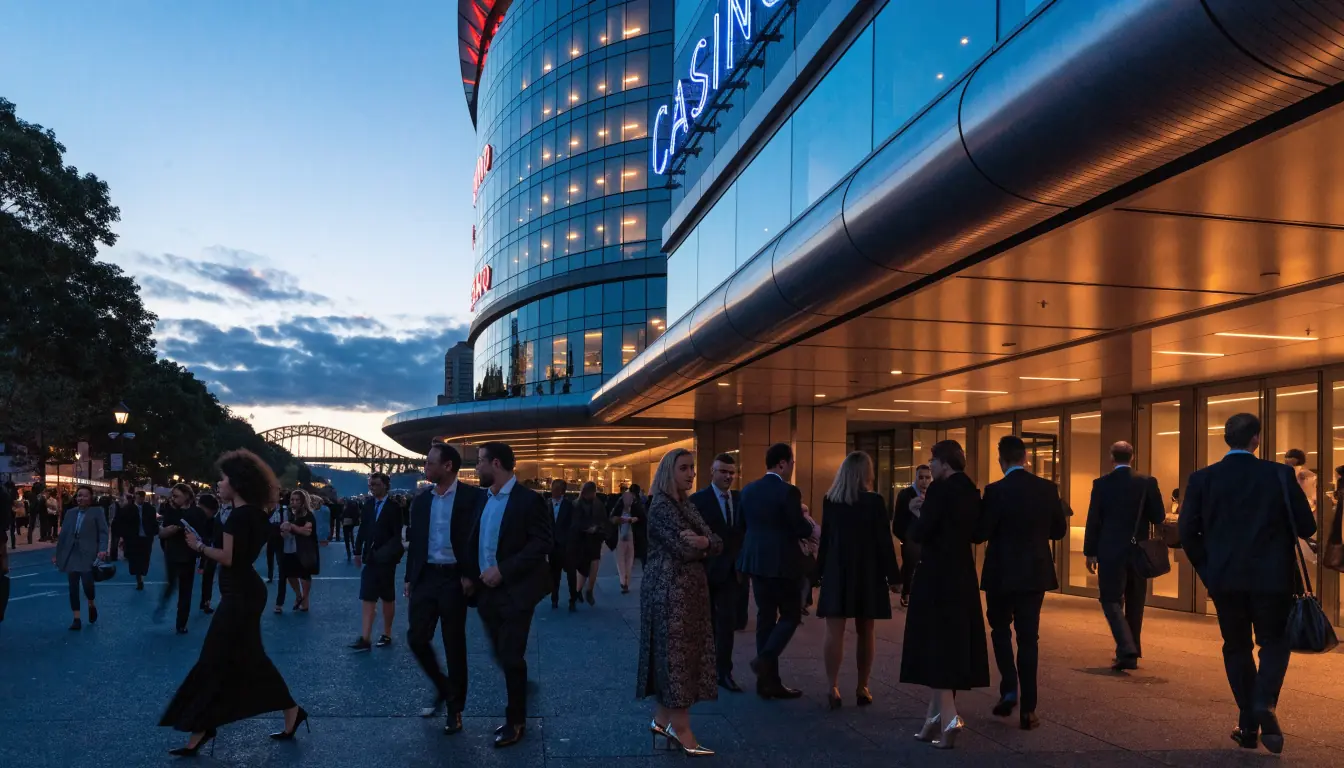
The Australian Communications and Media Authority — ACMA — is the federal body that enforces the Interactive Gambling Act 2001. Its job isn’t to license casinos; it’s to enforce a law that draws a hard line around online casino gambling in Australia. Under that law, offering online casino games to Australian residents is illegal, and there’s no domestic licence an operator can apply for to run one legally. Not a slow process, not a restricted one — nonexistent. Any site claiming an Australian online casino licence is describing something the law doesn’t allow to exist.
Then there’s the Northern Territory Racing Commission. It doesn’t license casinos in the sense most people mean, but it licenses the majority of the country’s online bookmakers, largely because operators find its tax settings more favourable than other jurisdictions. That’s made the NTRC the closest thing Australia has to a de-facto online gambling regulator, even though its formal remit is narrower than the name suggests. It’s an odd arrangement. Nobody designed it as a single point of oversight — it just became one by default.
What this means on the ground
For a Melbourne casino as a physical venue, none of this online framework changes opening hours or floor operations — those are set by state licensing conditions, staffing, and the venue’s own commercial decisions. Development plans, staffing levels, entertainment scheduling, all of that sits with the operator and the state regulator, not with ACMA or the NTRC.
For anything online carrying the same brand name, the picture is stricter. Federal law prohibits offering online casino gambling to Australian residents, full stop. No state licence bridges that gap, and no operator can point to a domestic authorisation for it.
Legal risk
Offering online casino games to Australian residents is illegal under the Interactive Gambling Act 2001. Visiting a casino’s online platform could expose you to legal penalties.
Two systems, two sets of rules, one shared brand name on the door. Worth remembering before assuming a licence covers more than it does.
Restaurant Choices Within Melbourne Casinos
Every casino floor plan puts gaming first, but the sit-down dining wrapped around it tends to reveal more about who the venue is actually built for. Walk the perimeter of any major Melbourne casino and the pattern repeats: a steak house with dim lighting and a wine list nobody reads properly, an Asian fusion spot doing double duty for pre-theatre dinners, an Italian menu that leans on the same four pasta shapes every operator seems contractually obliged to offer.
None of this is accidental. Restaurant leases inside a casino complex are priced against foot traffic that has nothing to do with hunger — people eat because they’re already there, not because they sought out the venue for its food. That changes what gets built. Fine-dining rooms exist partly as a retention tool, a reason for a high-value guest to stay on-property rather than walk two blocks for dinner and possibly not come back.
What actually varies
The cuisine spread across a Melbourne casino’s sit-down options usually covers:
- Steak and grill houses — the anchor tenant in most complexes, built around private dining and larger tables for groups.
- Asian dining — Cantonese, Japanese or pan-Asian menus, often positioned near the higher-limit gaming areas.
- Italian — reliable, broad-appeal, rarely the destination choice but rarely empty either.
- Modern Australian — the catch-all category, seasonal menus, the room most likely to get a refresh every couple of years.
What’s identical everywhere is the operating logic: these rooms are priced to extract margin from people who’ve already decided to spend money tonight, not to compete with the city’s standalone dining scene on value.
Reservations and who actually eats there
Booking ahead matters more on weekend evenings, when tables clear slower and gaming-floor loyalty tiers get priority seating in some rooms — a perk that’s rarely advertised outside the loyalty program itself.
Age verification at the door is standard practice for anything attached to a gaming floor, restaurants included, since the venue’s whole footprint sits under the same access rules. That’s worth flagging given nearly half of Australians aged 18 to 19 already gamble by the time they’re legally allowed near a casino floor at all — the restaurant entrance and the gaming entrance are, in practice, the same door.
The money behind the menu
It’s easy to think of a casino restaurant as a standalone business decision. It isn’t. The capital behind these venues sits inside the same corporate structures that fund the gaming operation, and increasingly those structures are held by unlikely owners — Australia’s largest superannuation funds collectively hold billions in publicly listed igaming companies. Somewhere in a compulsory retirement account, a slice of that steak house lease is probably already spoken for.
That doesn’t make the food worse. It just means "destination dining" is doing a lot of work as a marketing phrase for something closer to a retention feature with a wine pairing.
Spa and Wellness Services at Casino Resorts
A casino resort with a spa attached sells the same thing the gaming floor sells: a reason to stay longer. That’s not cynicism, just how the floor plan works. The treatment menu sits a lift ride away from the tables, and the walk between them is deliberately short.
What’s actually on offer tends to fall into predictable categories — massage therapy, facials, body treatments, sauna and steam facilities, sometimes a pool deck reserved for spa guests separate from the general leisure pool. Melbourne’s larger resort properties run their spas as standalone bookable services rather than casual walk-ins, which means the experience is closer to a day-spa appointment than a hotel amenity you stumble into.
What varies, what doesn’t
I can’t hand you a comparison table of treatment menus, price bands or opening windows across every Melbourne casino spa — that level of detail isn’t something operators publish in any standardised way, and I’m not going to invent numbers to fill the gap. What I can say from having actually used a few of these facilities: booking ahead matters more than it does at a standalone day spa, because availability gets absorbed by hotel guests first.
Dress expectations inside the spa itself are the usual robe-and-slippers arrangement — not to be confused with the dress code enforced on the gaming floor, which is a separate and stricter matter entirely and worth checking before you plan an evening that moves between the two.
The wellness pitch, and what it’s not
Resorts market these spaces as "wellness," a word doing a lot of work. What it means in practice is a set of treatments bundled near a casino, not a health service and not a substitute for support around gambling harm. Worth saying plainly, since the two topics share a building: spa access has nothing to do with a person’s relationship to the tables downstairs, and no amount of wellness branding changes what’s legally on offer elsewhere on the site.
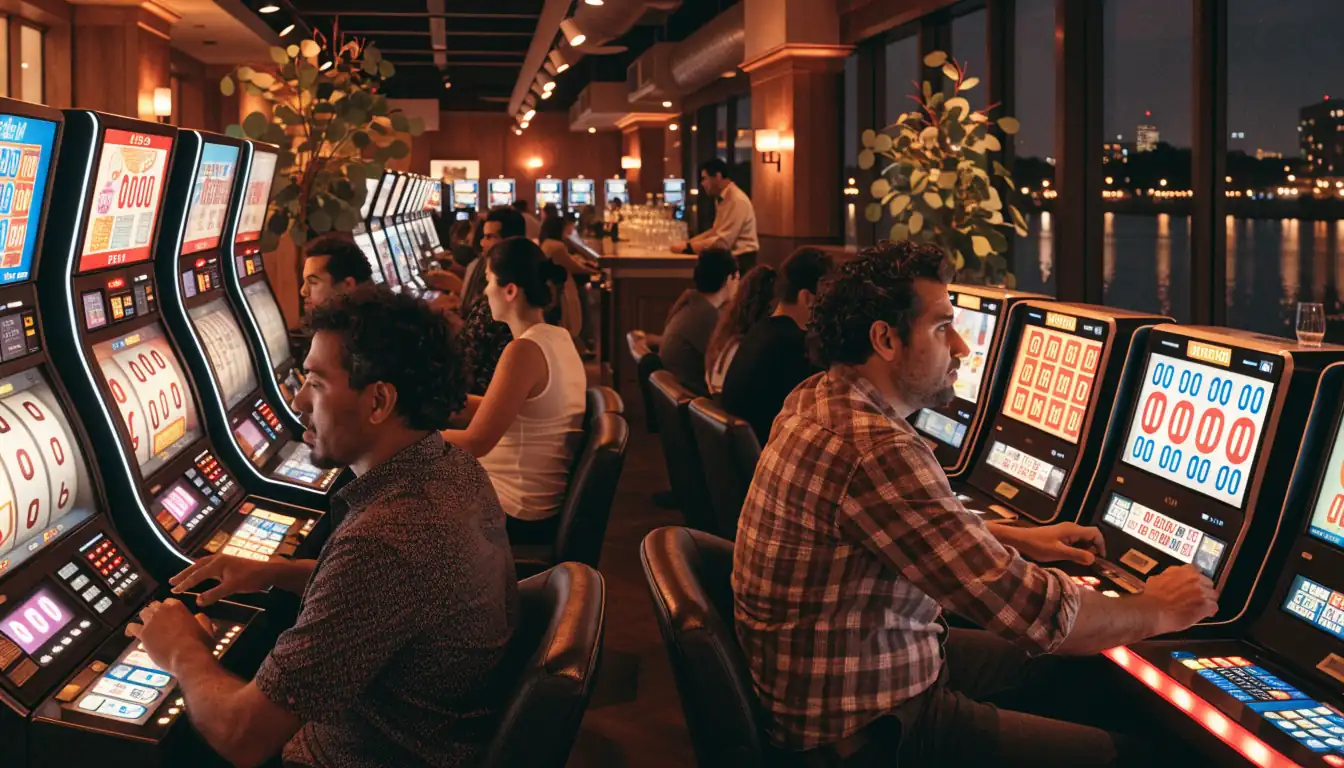
That legal point matters here because it gets confused constantly. Physical casino floors in Melbourne operate under state licensing and are a different regime altogether from online play. Australian federal law — the Interactive Gambling Act, dated variously to 1997 or 2001 depending on which source you check, and the two dates genuinely disagree — prohibits offering online casino games to Australian residents. A spa day at a licensed Melbourne resort sits entirely outside that question. It’s a bricks-and-mortar service, booked like any other hotel amenity, with no online component and no bearing on what is or isn’t legal to offer over the internet.
Short version: good spa, real booking system, separate legal universe from anything online.
Food Courts and Pool Areas: Amenities Overview
Not every visit calls for a full sit-down meal or a spa booking. The food court exists for exactly that gap between sessions on the floor: quick service, casual seating, a range wide enough that a group with different tastes doesn’t have to negotiate.
What’s there in practice: Asian noodle counters, burger and grill stands, coffee and pastry stalls, a few healthier salad-and-bowl options mixed in. Nothing that needs a reservation. Prices sit closer to a shopping-centre food hall than a casino restaurant, which is the point — it’s built for turnover, not for lingering.
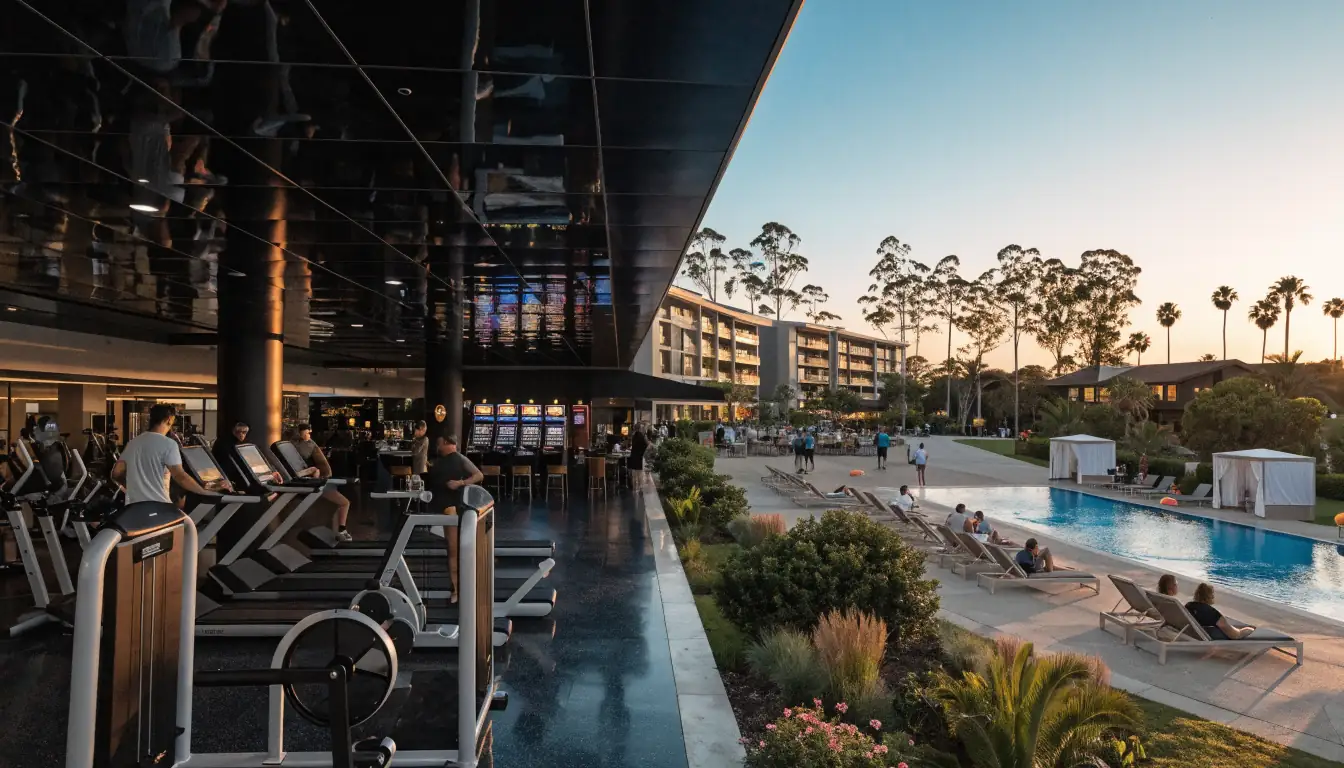
Pool areas follow a similar logic on the accommodation side. Where the casino complex includes a hotel tower, the pool is generally reserved for hotel guests rather than open to anyone walking in off the floor. Access usually ties to room key or membership tier, not to whether someone’s been playing pokies downstairs. Worth checking at booking stage rather than assuming — the pool being "for guests" can mean different things depending on which tower or wing you’re staying in.
Neither of these amenities is where the real decisions get made. The food court is a break, the pool is a perk attached to a room, and both sit outside anything involving a wager. Worth remembering: none of this connects to real-money online play — that market doesn’t exist for Australian residents, on-site or otherwise. What’s on offer here is physical, walk-in, and separate from anything happening on a screen.
What are the best online casinos in Australia for 2026?
There are no domestically licensed real-money online casinos available to Australian players — offering online casino games is prohibited under the Interactive Gambling Act 2001. Playing at offshore-licensed casinos is not illegal for individuals, and weekly-updated rankings weigh bonus generosity (30%), payout reliability (25%), game library breadth (20%), customer support (15%), and user feedback (10%).
How can a player verify that an online casino holds a valid licence in Australia?
Australia has no domestic licensing regime for online casinos, so no operator can legally hold one — the Australian Communications and Media Authority (ACMA) enforces the Interactive Gambling Act 2001. Only online sports betting is licensed, at state/territory level, with most national bookmakers licensed by the Northern Territory Racing Commission.
Are crypto casinos legal in Australia in 2026?
No — it is illegal to offer online casino gambling in Australia and no licence can be obtained domestically, regardless of whether payments are in crypto or fiat. However, the law targets operators, not players, so individual Australians using offshore-licensed crypto casinos are not breaking the law.