Best Casino in Brisbane: Hotels, Dining and Amenities Guide
 Available in US
Table of Contents
- Hotel Options Near Brisbane Casino
- Accommodation Choices Around the Casino District
- Casino Gym and Fitness Facilities
- Buffet and Dining Rewards at Brisbane Casino
- Restaurant Selections Inside the Casino
- Spa and Wellness Services
- Parking Facilities and Accessibility
- Food Court and Pool Area
- Contact Points and Customer Service
- Operating Hours and Recent Developments
Hotel Options Near Brisbane Casino
Anyone who has worked a front desk near a casino floor knows the pattern: guests book the room attached to the gaming floor first, then ask about everything else. Proximity is the whole pitch. A hotel physically connected to Brisbane’s casino sells the walk — the fact that a guest can leave a table, take a lift, and be in bed without stepping outside or hailing a cab.
That connection is the actual product being marketed when a listing says "casino hotel." It’s not a claim about thread count or view. It’s a claim about distance, and distance is the one thing that’s easy to verify and hard to fake, so it’s worth treating as the main filter when comparing rooms.
What "connected" actually means
Properties advertised as part of the casino complex typically fall into a few tiers:
- Integrated tower rooms — accessed via an internal walkway or lobby link straight to the gaming floor, no street crossing required.
- Adjacent hotels — a short covered or semi-covered walk, still inside the same precinct, but with a separate entrance and check-in desk.
- Nearby independent hotels — a walk of several minutes through the surrounding streets, marketed as “near the casino” rather than part of it.
Since Brisbane players are limited to online casinos rather than physical venues, choosing a trustworthy operator comes down to licensing, bonus terms, and how quickly you can access your winnings. This shortlist helps you compare those essentials before you sign up.
License: Curacao – Antillephone N.V. (Versus Odds B.V.) · Bonus: up to EUR 2,000 across 5 deposits + 200 free spins · Min. deposit: EUR 20 Licensed by Curacao’s Antillephone N.V., this casino offers a generous multi-deposit welcome package spread across five deposits plus free spins, with a relatively low minimum deposit requirement.
Bonus: up to A$750 + 50 jackpot spins, 35x wagering · Payout speed: crypto ~90 minutes, fiat 1-5 days · Min. deposit: A$30 This operator pairs a jackpot-spins bonus with fast crypto payouts of around 90 minutes, while fiat withdrawals take a few days, backed by a modest minimum deposit.
License: Curacao eGaming (Hollycorn N.V., since 2017) · Bonus: 225% up to A$1,540 + 600 free spins across 4 deposits, 20x wagering · Min. deposit: A$20-30 (depends on the offer) Operating under a Curacao eGaming licence held by Hollycorn N.V. since 2017, this casino offers a sizeable percentage-based bonus spread across four deposits with a comparatively low wagering requirement.
Bonus: up to A$7,500 + 550 free spins across 10 deposits, 50x wagering · Payout speed: crypto under 1 hour, PayID 1-3 business days · Min. deposit: A$20 (A$30 to qualify for the bonus) With one of the largest welcome packages on this list spread across ten deposits, this casino also stands out for near-instant crypto withdrawals, though PayID payouts take a few business days.
License: Curacao Gaming Control Board · Bonus: up to A$5,000 + 400 free spins Licensed by the Curacao Gaming Control Board, this casino backs its offering with a substantial bonus package combining cash and free spins.
License: Curacao Gaming Control Board OGL/2023/174/0082 (Dama N.V.) · Bonus: up to A$5,000 + 300 free spins across 4 deposits Operated by Dama N.V. under a Curacao Gaming Control Board licence, this casino spreads a large bonus and free spins across four deposits.
License: Curacao · Bonus: 100% up to A$500 + 200 free spins, 10x wagering · Payout speed: crypto 30-60 minutes, fiat 1-5 days · Min. deposit: A$10 This Curacao-licensed casino keeps its entry point accessible with a low minimum deposit, fast crypto payouts within the hour, and a comparatively low wagering requirement on its welcome bonus.
License: Curacao eGaming OGL/2023/174/0082 (Dama N.V.) · Bonus: up to A$10,000 + 500 free spins across 4 deposits · Min. deposit: A$15 Licensed by Curacao eGaming via Dama N.V., this casino offers one of the larger bonus packages here, split across four deposits, with a low minimum deposit to get started.
License: Curacao OGL/2024/1335/0780 · Bonus: up to A$1,000 + 150 free spins, wager-free · Min. deposit: EUR 20 Holding a current Curacao licence, this casino’s welcome bonus is notable for being wager-free, a rare feature among online casino promotions.
License: Curacao Gaming Control Board OGL/2023/176/0095 (Hollycorn N.V.) · Bonus: up to A$11,000 + 300 free spins (code NEO100) Licensed by the Curacao Gaming Control Board through Hollycorn N.V., this casino offers a large welcome bonus accessible via a specific promo code.
The difference between tier one and tier three is rarely obvious from a booking page photo. The lobby shots look the same; the walk doesn’t. I’ve seen guests book a "casino-area" room expecting an internal corridor and instead get a five-minute street walk after midnight — fine in daylight, less fine after a long session at the tables.
Why the connected room costs what it costs
The premium charged for a directly linked room isn’t really about the room. It’s about removing friction at the exact moment a guest is least willing to tolerate it — after a win, after a loss, at 2am, carrying nothing but a room key. Hotels know this and price accordingly. A room three minutes further away, functionally identical inside, often comes in noticeably cheaper. Whether that trade-off is worth it depends entirely on how much of the stay is actually going to be spent at the tables versus asleep.
What to check before booking
Room photos and star ratings don’t answer the questions that matter for a casino stay. Before booking, it’s worth confirming:
- Whether the internal link between hotel and gaming floor operates on the same schedule as the casino itself, or closes earlier.
- Whether check-in and checkout align with typical casino hours, since a late checkout matters more here than at a standard city hotel.
- Whether the room rate includes any recognition through the casino’s own loyalty scheme, separate from the hotel’s own program.
- Whether noise from the gaming floor or bar areas reaches upper floors — a detail almost never in the listing, always in the reviews.
None of this shows up in the marketing copy. It shows up in the fine print of the booking confirmation, or not at all, which is its own answer.
A note on the money involved
Gambling in Australia isn’t a niche pastime tucked away from mainstream travel — the scale of it is part of why casino-adjacent hotels exist as a distinct category rather than just "hotels near a large building." Australians placed close to a quarter of a trillion dollars in bets in a single recent financial year, and losses from that activity ran into the tens of billions. The proportion of adults who’d gambled in the past year sat above seven in ten. That volume is what supports an entire tier of hotel rooms priced specifically on their distance from a gaming floor, rather than their distance from the river, the CBD, or anything else a normal traveller might care about.
It also explains why age verification isn’t a formality at these properties. Access to the casino floor, and by extension to any perks tied to a connected room, requires guests to be over eighteen — checked at the door, not at booking. A hotel reservation doesn’t override that.
Regulation doesn’t simplify the picture
Worth saying plainly: there’s no single national body that governs how these properties operate or advertise their gaming-floor proximity. Oversight sits partly with state and territory regulators, partly with federal rules that apply to gambling advertising and access generally. That split means a hotel’s "connected to the casino" claim is a factual, walkable-distance statement — not a licensing claim, and not something a booking site is required to standardise. Reading the floor plan, not just the star rating, remains the only reliable way to know what’s actually being bought.
Online gambling illegal
Online casino games are prohibited for Australian residents under the Interactive Gambling Act 2001; attempting to play them can result in legal penalties.
Accommodation Choices Around the Casino District
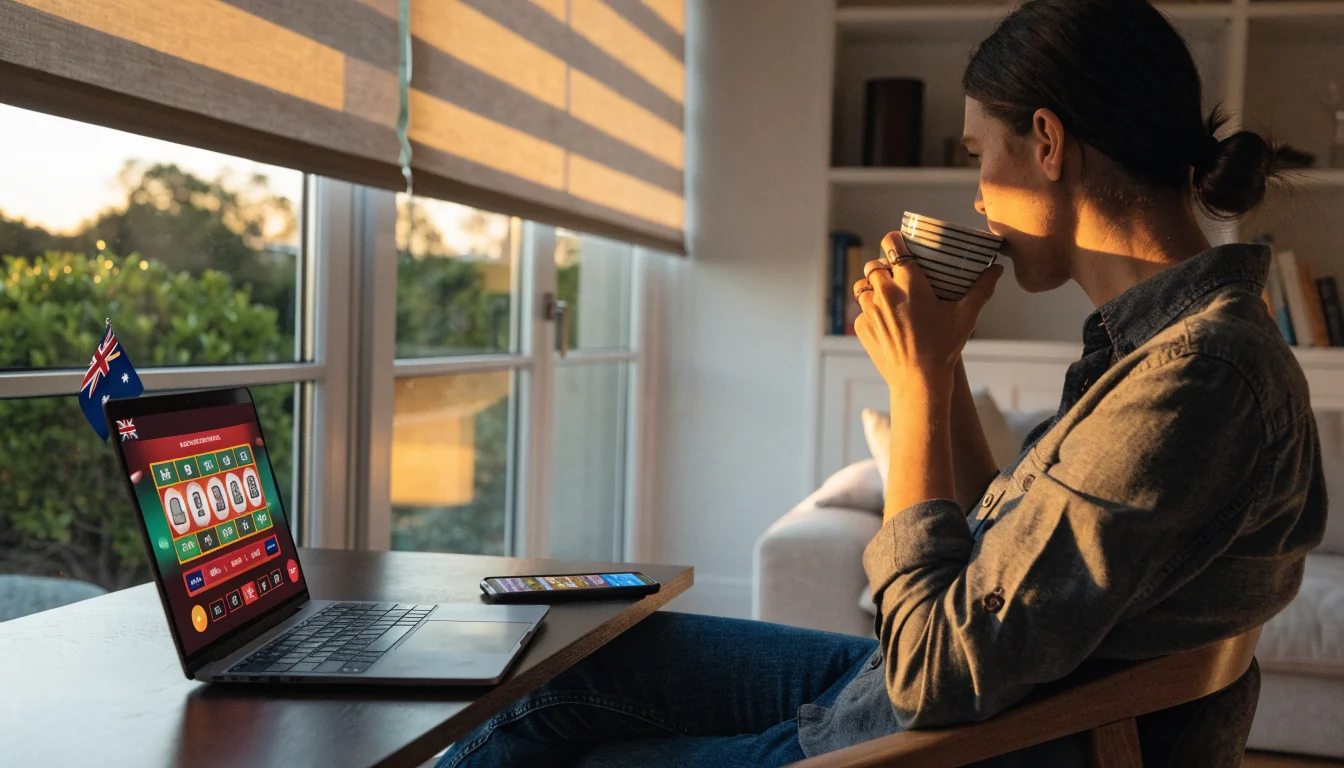
Not everyone wants to pay for the convenience of walking downstairs into the gaming floor. Once you step outside the on-site towers, the district around the casino opens up into a different kind of market — one built on serviced apartments, extended-stay operators, and a handful of budget chains that cater to people who want proximity without the premium markup.
Serviced apartments are the most common alternative here. They tend to sit within a short walk or a couple of tram stops from the complex, and the appeal is straightforward: a kitchen, more floor space, and rates that don’t carry the same weight as the branded hotel product attached to the casino itself. Anyone staying more than a couple of nights usually comes out ahead going this route, since the per-night cost curve bends downward the longer you commit.
Budget stays fill the other end of the spectrum. These are the no-frills options — smaller rooms, fewer amenities, sometimes shared facilities — but they exist precisely because not every visitor is there for the resort experience. Some people are in town for a conference, a sporting fixture, or a weekend that happens to include a few hours at the tables, not a full destination stay. The district accommodates that crowd too, and pricing reflects it.
What actually separates these from the on-site hotels
The distinction isn’t cosmetic. On-site hotel guests get direct internal access, priority treatment tied to loyalty tiers, and proximity that turns "checking the pokies floor" into a lift ride rather than a walk. Off-site stays trade that immediacy for flexibility — cooking your own meals, more control over noise and layout, and generally lower nightly rates. Neither is objectively better. It depends on whether the visit is built around the casino or the casino is one stop among several.
A few practical notes
- Serviced apartments in the district often book out faster around major events, so last-minute availability skews toward the budget chains.
- Distance to the casino varies more than people expect — “nearby” on a booking site can mean anything from a five-minute walk to a short rideshare.
- None of these properties are affiliated with online gambling products. Worth stating plainly: Australians can legally bet on sport online through state and territory-licensed operators, but online casino games, poker, and in-play betting are banned federally under the Interactive Gambling Act 2001. Nothing about a hotel stay near a licensed physical casino changes that. It’s not illegal for an individual to play at an offshore-licensed online casino — the law targets the operator, not the punter — but that’s a separate conversation from booking a room near Brisbane’s gaming floor.
The money side of this industry is bigger than most guests realise. Australia’s twenty largest superannuation funds were holding more than A$14.8 billion in publicly listed igaming companies as of mid-2026 — a detail that has nothing to do with picking a hotel, but says something about how deeply gambling-linked capital sits inside ordinary retirement portfolios, including, quite possibly, the one paying for your holiday.
Choosing where to sleep near the casino district, in the end, comes down to what the trip is actually for. Convenience has a price tag attached to it. So does distance.
Casino Gym and Fitness Facilities
A hotel gym is a room with treadmills and a mirror. What sits inside the casino complex is a different animal, built around people who might be awake at four in the morning and want to walk off a losing session before they decide whether to go back down.
The casino complex gym operates extended hours, often 24‑hour, unlike standard hotel gyms.
I’ve used both kinds, on the same trip, and the difference isn’t equipment quality — it’s hours and intent. Hotel-branded fitness centres tend to run on a schedule built for business travellers: open early, quiet by evening, closed to anyone not holding a room key. The complex-side facility is built for a crowd that doesn’t keep those hours. Guests move between the floor, the bar, and the gym at odd times, and the space is designed not to care what time it is.
Poker rooms, not poker machines
Worth separating early: the poker room and the gym are not the same amenity, and confusing them is easy given how brochures group "leisure" together. The poker room is a dedicated space for live tables — a different rhythm from the pokies on the main floor, slower, more social, with tournament schedules that run on their own calendar rather than being available on demand. If a visit is timed around a specific tournament, checking the schedule ahead matters more than checking the gym timetable, because the two don’t overlap in booking or in staffing.
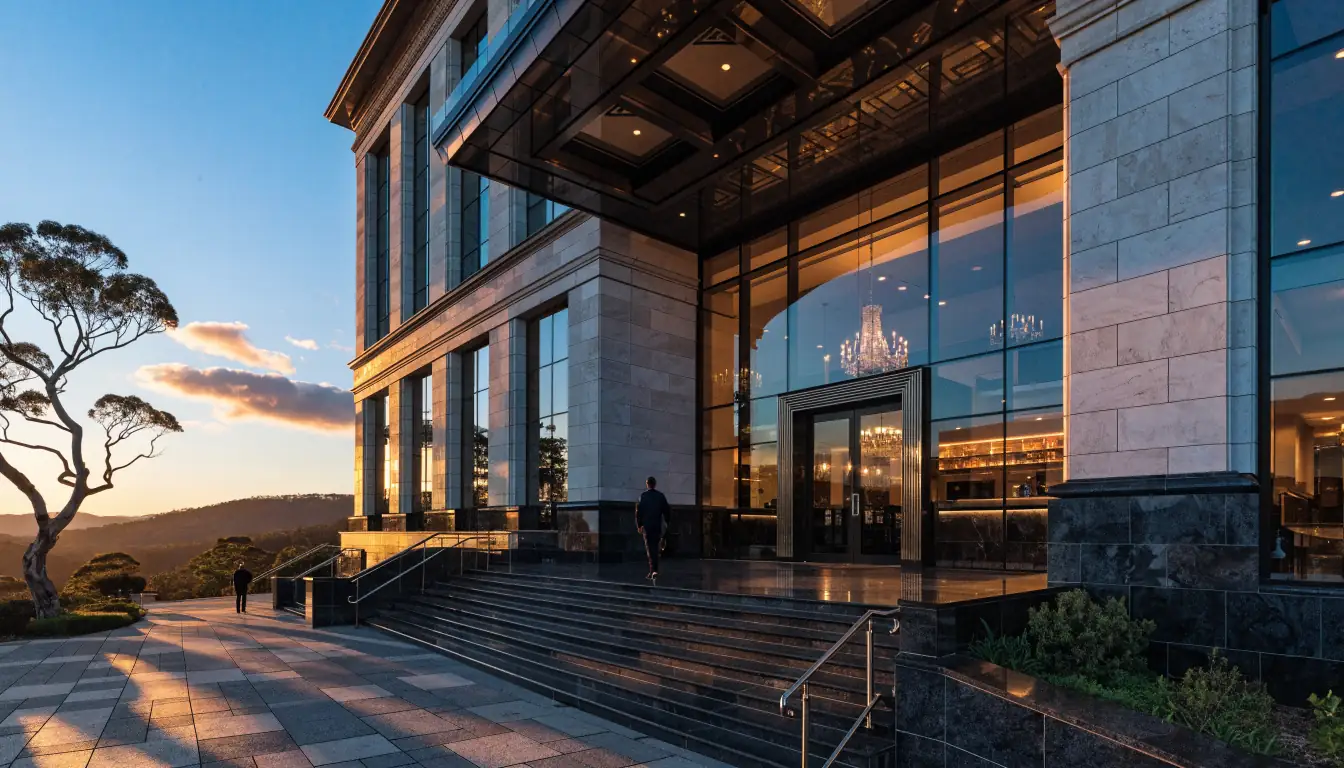
The gym itself, by contrast, is closer to a members’ facility than a casual drop-in. Fitness areas attached to casino complexes are commonly access-controlled — tied to room bookings or a loyalty tier — which is a departure from a standalone hotel gym that’s usually just "open to guests." That control isn’t about exclusivity for its own sake; it’s a liability and rostering decision, given the facility sits inside a building that runs continuously rather than closing for the night like a conventional hotel.
What actually differs from a standard hotel gym
| Feature | Standard hotel gym | Casino complex gym |
|---|---|---|
| Hours | Fixed, usually daytime-weighted | Extended, built around 24-hour foot traffic |
| Access | Room key | Room key or loyalty-tier access, sometimes separately gated |
| Adjacent amenities | None, or a small sauna | Poker room, sports bar, wellness area often on the same level |
| Crowd | Business travellers, families | Mixed — guests coming off a shift on the floor as much as tourists |
The sports bar sitting near the fitness and poker areas is worth mentioning only because of how it changes the character of the floor it’s on. It’s not a quiet corner — screens running racing and sport, a bar that stays busy through hours a standard hotel bar would have closed. Anyone expecting a fitness centre with hotel-lobby quiet should adjust that expectation; this part of the complex is louder, later, and built for people cycling between different forms of entertainment rather than winding down for the night.
None of this changes what’s legal to offer online. The gym, the poker room, and the sports bar are physical, on-premises amenities — a different category entirely from online casino products, which remain prohibited for Australian residents under the Interactive Gambling Act. Sources differ on the year: some cite the 1997 Act as the one banning provision of online casino games to Australian residents, others point to the 2001 Act as the operative law — the substance doesn’t change either way, and it doesn’t touch anything described in this section. A physical gym membership or a seat at a live poker table has no bearing on what’s permitted online, and nothing here should be read as a comment on that separate, federally enforced restriction.
Noise risk
Gym and sports‑bar areas can be loud and operate late, which may disturb guests seeking a quiet workout.
Given that AUD 9,885 was the average amount Australians bet per capita in FY 2020-21, and that over a third of adults gamble weekly, it’s not surprising complexes build fitness and recreation facilities that assume guests are there for hours, not a quick overnight stay. The gym reflects that pattern more than it reflects any fitness trend. It’s infrastructure for a longer visit, not a wellness feature bolted on for marketing.
Buffet and Dining Rewards at Brisbane Casino
A buffet inside a casino complex is never really about the food. It’s about turnover — get people fed fast, get them back on the floor, keep the whole building moving. I’ve watched pit bosses check buffet queue length the way traders check a ticker. A long line at breakfast means a slow afternoon at the tables. That’s the honest reason the buffet exists where it does, positioned between the entrance and the gaming floor rather than tucked away somewhere quiet.
Breakfast service at a casino resort tends to run early, catering to guests staying on-site who want to eat before checkout or before a full day out in Brisbane. The appeal isn’t culinary ambition — it’s the fixed price and the fact that you’re not deciding between six menus at 7am. Compare that to the à-la-carte restaurants covered separately: those are where the kitchen actually shows off. The buffet is where it just needs to keep the line moving.
Loyalty rewards and how they actually work
Every major casino runs a rewards program, and Brisbane’s is no exception. The mechanics are consistent across the industry even when the branding differs: play generates points, points convert into comps, and dining is almost always the first tier unlocked. A free or discounted buffet visit is the entry-level reward — cheap for the house to give away, because the margin on buffet food is built around volume, not per-plate profit.
Loyalty rewards
Buffet vouchers are typically awarded after a minimum session length or spend threshold, not advertised upfront.
What’s worth understanding is that these programs are not charity. They’re a retention tool, dressed up as hospitality. The casino tracks turnover per player and calibrates rewards against it. A modest player gets a breakfast voucher. Someone the pit has flagged as a higher-value guest gets access to restaurant credit, room upgrades, or invitations to hosted events. None of this is published anywhere with hard numbers — casinos don’t disclose the formula, and I’ve never seen one that does. If you’re trying to work out exactly how much play earns exactly what reward, you’re asking a question the operator isn’t going to answer directly.
Where dining rewards fit against everything else
It’s worth separating what’s genuinely useful from what’s just marketing dressing:
- Buffet vouchers — the most common comp, usually tied to a minimum session length or spend threshold that isn’t advertised upfront.
- Breakfast inclusions — sometimes bundled with hotel stays booked directly through the resort rather than through third-party booking platforms.
- Tiered dining credit — higher-level loyalty members may get credit toward the sit-down restaurants rather than the buffet, which is really an upsell dressed as a reward.
None of this is unique to Brisbane. It’s the same structure every land-based casino runs, because the economics behind it are the same everywhere: gambling revenue funds the amenities, not the other way around. Gambling taxation made up a meaningful share of state revenue federally in the mid-2010s, and that dependency shapes why land-based venues are built the way they are — food and comfort exist to keep people on the premises, not as a standalone business line.
One thing worth saying plainly: none of this overlaps with online casino loyalty schemes, and it shouldn’t be confused with them. A land-based rewards card tracking your buffet visits in Brisbane has nothing to do with any offshore online operator’s VIP program. Different regulatory world entirely, different rules, different risks. If a section elsewhere on this page talks about ranking online operators on things like cashout speed or bonus transparency, that’s a separate system built for a separate kind of platform — not something a physical resort’s breakfast program has any part of.
Employment at the resort, including in food and beverage roles across the buffet and events side, gets covered separately where operating hours and current openings are discussed. It’s a different question from what’s on the plate.
Restaurant Selections Inside the Casino
Sit-down dining at the Brisbane casino works differently from the buffet floor downstairs. Here you book a table, order off a menu, and pay for what you actually eat — no per-head cover charge, no rewards card tapping at the till. The restaurants sit closer to the gaming floor and the rooftop bar than the family-style dining does, which matters if the plan is a proper dinner before or after a session at the tables rather than a quick refuel.
The spread of cuisines is wide enough that "casino restaurant" doesn’t mean one thing here. There’s a steakhouse-style room for the occasion dinners, an Asian-fusion option for something lighter, and at least one fine-dining space that operates more like a destination restaurant than an amenity — the kind of place people book without necessarily gambling that night at all. That last point is worth saying plainly: the restaurants function as their own draw, not just a service attached to the tables.
What separates these from the buffet
- Ordering, not serving lines. Each dish comes from a kitchen running its own menu, not a shared hot line.
- Reservations matter. Peak evenings and weekends fill the better tables first.
- Pricing is à la carte. You pay per dish, not a flat entry rate.
- Setting. Several rooms have views toward the river or the rooftop bar, positioned for a slower evening rather than a fast turnaround.
The rooftop bar deserves its own mention separate from the restaurants proper, since it’s often the first stop rather than the last. It functions as a pre-dinner or late-night spot — drinks and small plates rather than a full seated meal — and its position above the main complex gives it a different feel from anything at street level. People treat it as a standalone destination on nights when the plan doesn’t include the gaming floor at all.
None of this is where the loyalty points get spent — that’s the buffet and rewards side of the operation, covered separately. What the sit-down restaurants offer instead is choice and control: pick the cuisine, pick the pace, pay for the meal in front of you. For a casino visit built around an evening rather than a quick stop, that distinction is the one that actually shapes the night.
One honest caveat: menus, hours and which rooms are open on a given night change more often than the marketing photos suggest. Calling ahead before building an evening around a specific restaurant saves the disappointment of finding it closed for a private event.
Worth booking ahead.
Spa and Wellness Services
Every casino floor I’ve worked near has one of these tucked behind a discreet door, and the pitch is always the same: step away from the tables, come back "refreshed." What that actually means at ground level is a separate revenue line dressed up as hospitality — and there’s nothing wrong with that, as long as you know what you’re paying for before you book it.
The spa at Brisbane Casino sits apart from the general amenities in the same way a private gaming lounge sits apart from the main floor: access and pricing are tiered, and the treatment menu leans toward what a hotel guest wants after a long flight or a long night at the tables, not what a day-tripper wants. Expect the usual structure — massage rooms, a relaxation lounge, facial and body treatments — packaged in a way that encourages you to book a block of time rather than a single service.
What sets it apart from a hotel spa
The difference isn’t the treatments themselves; most casino spas and hotel spas draw from the same supplier lists and the same trained therapists. What differs is positioning. A casino spa is built into the loyalty ecosystem — it’s one more thing premium guests get access to, alongside better rooms and priority seating, rather than a standalone business competing on price. If you’re not already inside that tier system, don’t expect the same booking priority or the same rates as someone with status.
Practical points worth knowing
- Age access. As with every offer, service, and promotion tied to the casino floor, the minimum age is 18. This applies across the country, not just in Queensland — it’s not a house rule, it’s the baseline everywhere gambling operators extend perks to guests.
- Booking ahead. Wellness slots tend to move with occupancy and event calendars, so treating it as a walk-in service is optimistic at best.
- No single rulebook. Worth remembering that gambling in Australia isn’t governed by one national regulator — oversight splits between state and territory bodies and, at the federal level, the Australian Communications and Media Authority, which enforces the Interactive Gambling Act 2001. The spa itself isn’t a gambling product, but it exists inside a business that is regulated that way, and that’s part of why access to “premium” amenities is so tightly linked to player tier rather than open to anyone walking through the door.
None of this makes the spa a bad deal. It makes it what it is: a comfort layer for people already spending heavily on-site, not a separate wellness destination someone would drive across town for on its own. Worth knowing before you build an evening around it.
Parking Facilities and Accessibility
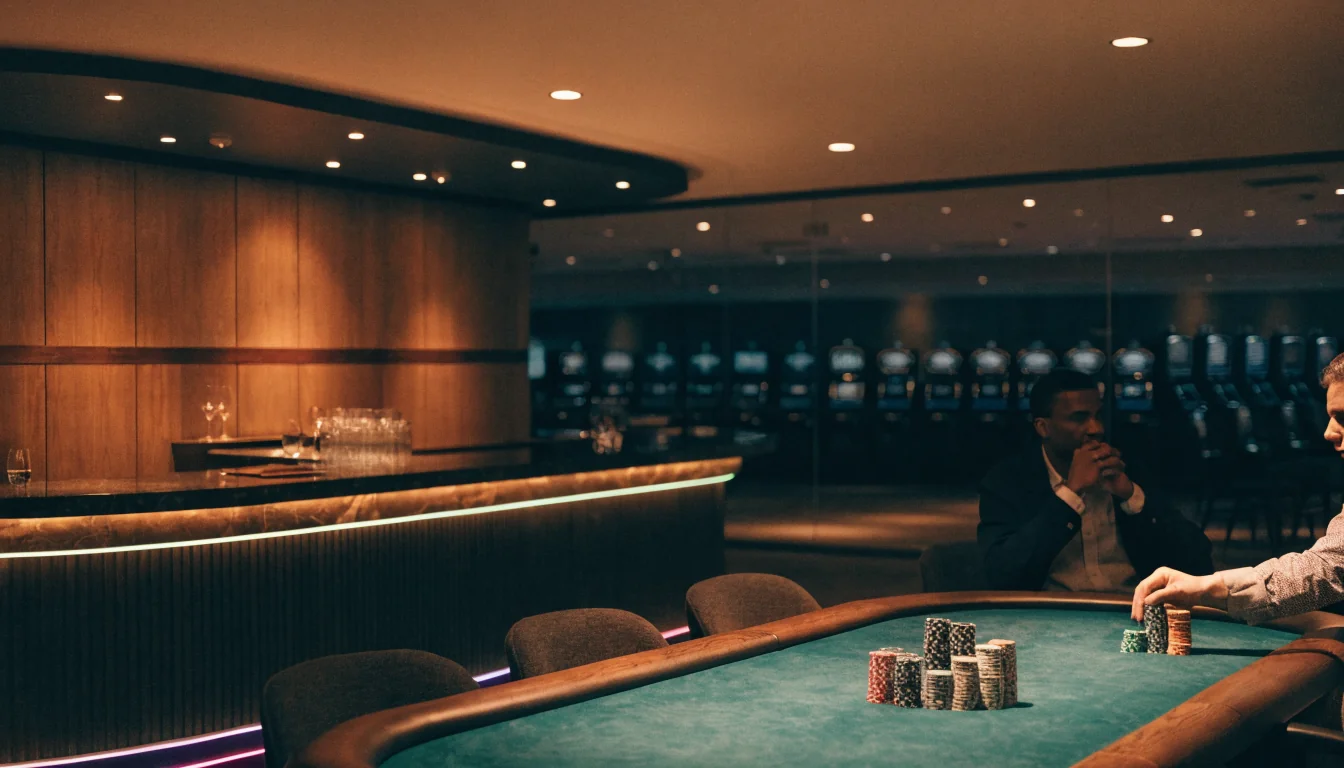
I’ve spent enough time circling city blocks before a shift to know what "convenient parking" actually means versus what it says on a brochure. For a physical casino floor, the car park is the first impression, and Brisbane’s venue treats it that way — multiple levels, clear signage to the gaming floor, and a valet drop-off for anyone who doesn’t want to deal with a boom gate at all.
Valet works the way it does everywhere else this kind of money moves through: hand the keys over at the entrance, walk straight in. It costs more than self-parking, obviously — that’s the trade you’re making, time for cash. Whether that’s worth it depends entirely on how long you’re staying and how much luggage is coming with you if you’re also checking into one of the hotels covered elsewhere on this page.
Self-parking
The multi-storey structure attached to the complex is built for high turnover — race nights, event traffic, the usual weekend surge. A few things worth knowing before you drive in:
- Height and width restrictions apply, as with any built-up structure — check your vehicle against the posted limits before committing to a level.
- Signage inside routes you toward lifts and walkways that connect directly to the gaming floor and hotel lobbies, so you’re not crossing a public street with shopping bags or a suitcase.
- Peak periods — weekend evenings, major events — compress the available spots quickly. Arriving early isn’t a suggestion so much as the only real strategy.
Accessibility
Accessible parking bays sit close to lift access points, which matters more than it sounds — a bay near the entrance is worthless if the only route from it involves stairs. The complex is built with lifts, ramps, and wide walkways connecting the car park to the gaming floor, restaurants, and hotel entrances, which puts it ahead of a lot of older venues where "accessible" means one bay near a side door and nothing else.
Staff at the entrance points can direct guests to the nearest accessible route rather than the default tourist path, which is worth asking for if you’re unfamiliar with the layout. This isn’t something advertised loudly, but it’s there if you ask.
Public transport as the alternative
None of the above is compulsory. Brisbane’s public transport network reaches the casino precinct directly, and for a lot of visitors — particularly anyone drinking, or anyone staying somewhere across the river — it’s the more sensible option regardless of what parking costs. Trains, buses, and ferries all put you within a short walk of the entrance. I’d rank it above driving for anyone not also using the on-site hotel, simply because it removes the "how do I get home" calculation from the night entirely.
A regulatory footnote worth knowing
None of this — parking, valet, accessibility — falls under gambling regulation in any real sense. Worth saying plainly: Australia doesn’t have one overarching gambling authority. Oversight is split between state and territory bodies and federal regulators, with the Australian Communications and Media Authority handling enforcement of the Interactive Gambling Act at a national level, and the Northern Territory Racing Commission functioning as the de-facto authority for most online bookmakers licensed in the country. Physical infrastructure like car parks and building access sits outside that framework entirely — it’s council and building code territory, not gaming law. Worth knowing only so you don’t assume every rule at a casino traces back to a gambling regulator. Most don’t.
Food Court and Pool Area
Not every visit calls for a tasting menu or a table booking. Sometimes you want a quick meal between sessions, eaten standing up if needed, and that’s what the food court is for. Grab-and-go counters cover the basics — noodles, burgers, coffee, something sweet — without the wait that comes with a sit-down order. No reservation, no dress code, no obligation to linger.
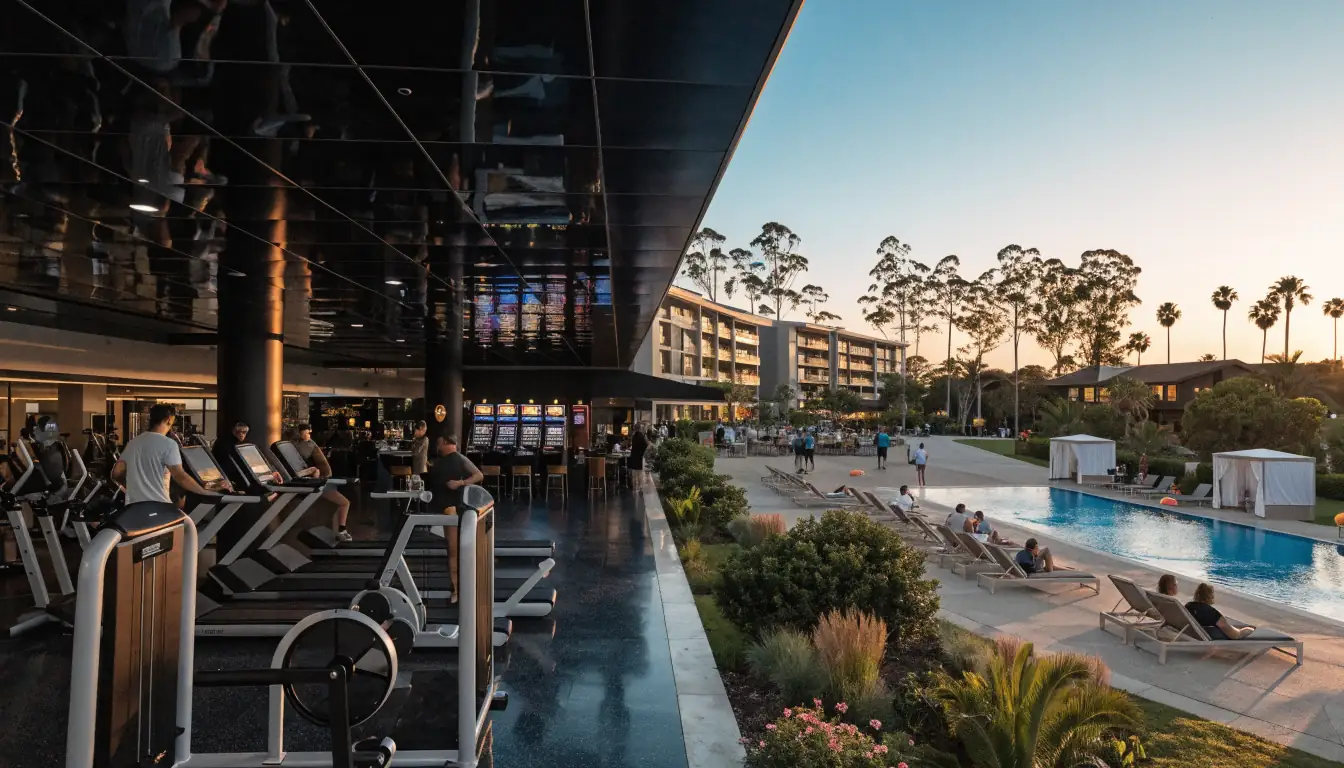
It’s a different crowd here too. Fewer people dressed for an evening out, more people passing through on a break. That’s the point.
The pool area works on the same logic: a place to step outside the gaming floor rather than an amenity built to compete with a resort. It suits casual visitors — a swim before checking in, a break from the tables, somewhere to sit that isn’t a bar stool. Nobody’s marketing it as a destination in itself, and it doesn’t need to be.
What’s worth keeping in mind is scale. Australians collectively staked $244.3 billion in 2022–23 and walked away $31.5 billion lighter — numbers that put any single food court coffee or pool lounger in perspective. The casual amenities aren’t where the business happens. They’re where people recover between the moments that actually matter to the operator’s bottom line.
Useful. Not the main event.
Contact Points and Customer Service
Every physical casino floor runs on the same principle as a hotel front desk: someone has to answer the phone, and someone has to be standing at the table when a player has a question. Brisbane’s casino is no different. What surprises people who’ve never dealt with a large gaming venue is how many separate contact channels exist behind what looks, from the entrance, like a single building.
Reaching the main desk
A general enquiries line handles bookings, event questions and lost property. It’s worth calling ahead rather than emailing if the question is time-sensitive — table availability and event seating fill up faster than an inbox gets checked. Reception staff can also redirect a call to a specific department, which matters because the person who books a private event is not the person who can tell you whether a table game is running that night.
Table games and live floor staff
Baccarat tables have their own pit staff, separate from the general floor attendants. If a query is about minimum bets, table etiquette, or when a particular baccarat table opens, the pit supervisor is the person who actually knows — not the reception desk, which mostly deals with logistics rather than live game conditions. The same separation applies to any other table games on the floor. This is worth mentioning because it reflects something true of gambling in Australia more broadly: a physical, licensed casino floor operates under entirely different rules from anything online. There are no domestically licensed real-money online casino operators available to Australian players, and it is illegal to offer online casino gambling in Australia or to obtain a licence to run one domestically. A land-based baccarat table in Brisbane exists in a regulatory world that has no online equivalent — there’s no "digital version" of that same table you can legally access from home under an Australian licence.
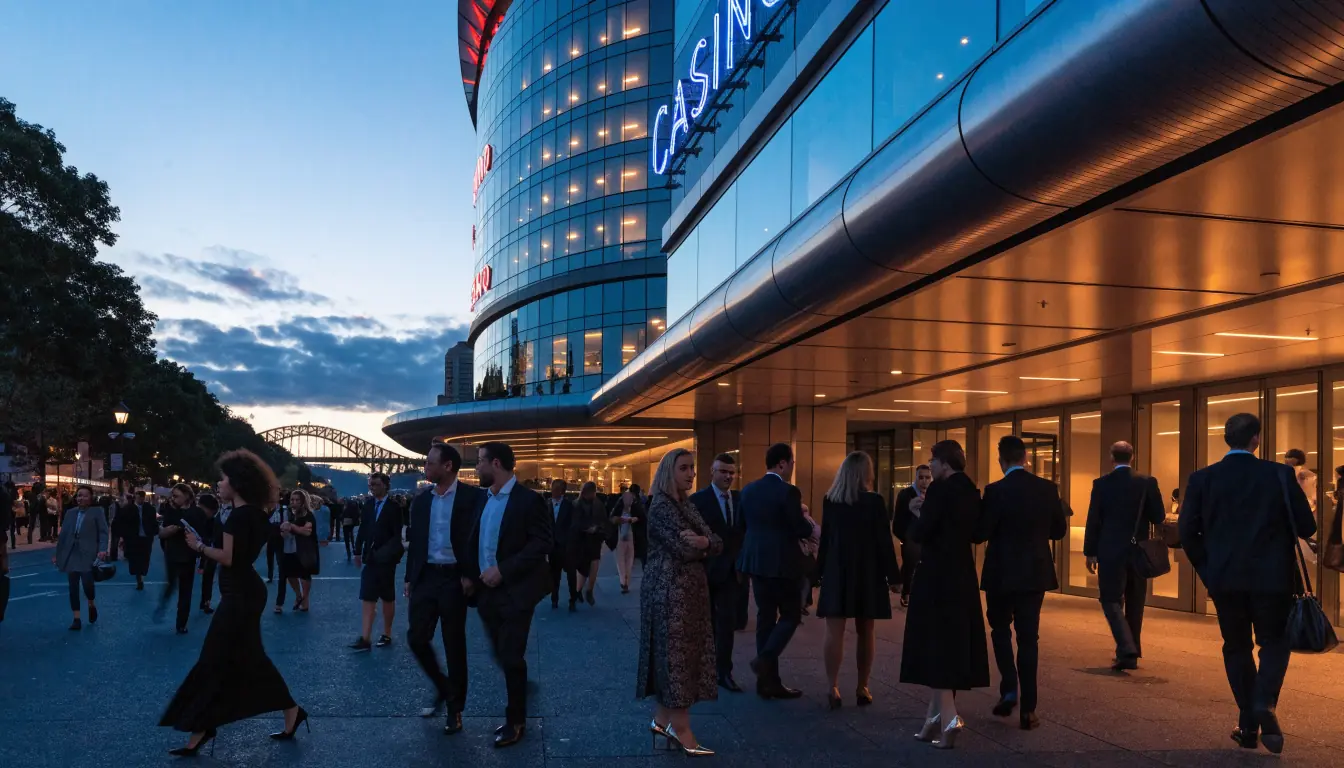
The bar
The casino bar has its own service point and, on busy nights, its own queue system separate from restaurant bookings. Staff there won’t take restaurant reservations, and restaurant staff generally won’t handle bar tabs. Small distinction, but it saves a wasted trip across the floor.
Event and concert bookings
Concerts and larger events run through a dedicated events booking channel rather than the general enquiries desk. This is the number or contact form to use for ticketed shows, private functions, or anything requiring seating allocation. Event staff can also confirm parking arrangements tied to a specific show, which the main switchboard usually can’t do on short notice.
A note on live betting
One thing worth being clear about: live, in-play betting placed online is illegal in Australia, though live betting by phone through a licensed bookmaker is legal. That’s a separate activity from anything happening on the casino floor itself — table games at a physical venue aren’t "live betting" in the regulatory sense, and the two shouldn’t be confused when people ask staff about placing wagers during an event or match showing on-site.
Practical takeaway
Match the channel to the question. General desk for bookings and lost property. Pit staff for table games including baccarat. Bar staff for the bar. Events team for concerts and functions. Four doors, not one.
Saves a phone transfer.
Operating Hours and Recent Developments
Ask ten venue staff about opening hours and eight will tell you the floor doesn’t really close, it just gets quieter. That’s the honest version. Land-based venues built around a casino floor tend to run long hours across most of the week, with certain areas — bars, gaming floors, restaurants — on their own separate schedules rather than one blanket timetable for the whole complex. Checking the specific hours for the section you actually want to visit, rather than assuming the whole building follows one clock, saves a wasted trip.
Renovation cycles are the other thing that trips people up. A property that’s been "recently redeveloped" often means one wing or one floor got the upgrade while the rest runs on the old layout for a while longer. That matters if you’re planning a visit around a specific restaurant or gaming area that existed before works started — it may have moved, shrunk, or been folded into something else entirely. There’s no substitute for confirming current layout before you go, because a renovation announced months ago doesn’t mean it’s finished now.
Jobs on site
Large gaming and hospitality complexes are, functionally, small cities of employment — dealers, hospitality staff, security, hotel operations, events crews. Turnover in these roles is constant, which means openings appear on a rolling basis rather than in one seasonal hiring wave. If employment there interests you, checking directly with the venue’s own careers channel beats relying on third-party job boards, which tend to lag behind what’s actually open.
Events calendar
Entertainment bookings — live music, comedy, seasonal programming — get scheduled well ahead but also get shuffled when a bigger act becomes available or a smaller one falls through. Anyone travelling specifically for an event should confirm the booking is still standing close to the date, not just when they first saw it listed.
The part that doesn’t show up in a hotel brochure
None of the above — hours, renovations, jobs, entertainment listings — changes the underlying shape of who gambles and how often in this country. Close to a third of 12 to 17-year-olds report having gambled in some form, and that figure climbs to nearly half among 18 and 19-year-olds, right at the point where access becomes legal. Somewhere between 80,000 and 160,000 adults nationally are dealing with gambling that’s become a genuine problem rather than an occasional bet. A casino’s opening hours don’t cause that. But a venue that’s open longer, staffed for volume, and running promotional events isn’t a neutral backdrop to those numbers either — it’s part of the environment they exist in.
Worth remembering when reading any "reopening" or "expansion" announcement: bigger, busier, later-closing is being sold as good news for visitors. It’s also just more exposure, more hours, more chances to play. Both things are true at once.
Are crypto casinos legal in Australia in 2026?
No, offering online casino-style games to Australian residents is prohibited under the Interactive Gambling Act 2001, and there is no domestic licence an operator can obtain. However, it is not illegal for individual Australians to play at offshore-licensed online casinos, since the law targets operators rather than players.
What are the requirements for an interactive gambling licence?
None exist for online casinos — it is not possible to obtain a licence to operate an online casino domestically in Australia. Online sports betting, by contrast, is legal under state and territory licences, with most national online bookmakers licensed by the Northern Territory Racing Commission.
Where can I complain about an online casino in Australia?
The Australian Communications and Media Authority (ACMA) is the federal regulator that enforces the Interactive Gambling Act 2001, making it the relevant body for complaints about prohibited online gambling services.
Written by the editors at Casino iPad Info.