
Best Casino in Canberra: Hotel, Gaming and Dining Guide
Table of Contents
- Casino Hotel Options in Canberra
- Casino Gaming Facilities and Poker Rooms
- Core Casino Services and Legal Framework
- Parking and Accessibility at Canberra Casino
- Nearby Accommodation Options for Casino Visitors
- Dining, Buffets and Employment Opportunities
- Operating Hours, Development and Event Schedule
- Wellness and Spa Services at the Casino
- Restaurant Choices Within the Casino Complex
- Food Courts and Pool Areas
Casino Hotel Options in Canberra
I’ve spent enough time around gaming floors to know that the phrase "hotel casino" gets used loosely everywhere. In Canberra, it’s worth being precise about what that actually means before booking anything. A room "at" the casino and a room "near" the casino are two different products, and the difference matters more once you’ve walked it at midnight in winter.
The casino itself sits within a complex that includes on-site accommodation — rooms built to give guests direct, weather-free access to the gaming floor. That’s the whole pitch of a casino hotel: you don’t cross a car park or wait for a lift shuttle to get from your bed to the tables. For anyone planning a night that starts with dinner and ends several hours later at a poker table, that proximity is the actual product being sold, not just a marketing line.
What "casino access" really buys you
The rooms connected to the complex are priced around that convenience, and it shows up in a few practical ways:
- Internal access — guests move between guest floors and the gaming areas without going outside, which matters on the coldest Canberra nights.
- Late checkout alignment with gaming hours — rooms tied to the complex tend to build in flexibility around checkout, since the property expects guests who are still playing at 2am.
- Direct billing to the room — meals, drinks and incidentals inside the complex can usually be charged straight to the room account rather than paid separately at each till.
Since Canberra doesn’t host a dedicated casino resort for online-style play, Australian players often turn to licensed online operators, and knowing the essentials of each one helps you compare offers before signing up.
License: Curacao – Antillephone N.V. (Versus Odds B.V.) · Bonus: up to EUR 2,000 across 5 deposits + 200 free spins · Min. deposit: EUR 20 Licensed by Curacao’s Antillephone N.V., this operator offers a multi-deposit welcome package worth up to EUR 2,000 plus 200 free spins, with an accessible EUR 20 minimum deposit.
Bonus: up to A$750 + 50 jackpot spins, 35x wagering · Payout speed: crypto ~90 minutes, fiat 1-5 days · Min. deposit: A$30 Offers a welcome bonus of up to A$750 with 50 jackpot spins under 35x wagering, and stands out for fast crypto payouts of around 90 minutes alongside a low A$30 minimum deposit.
License: Curacao eGaming (Hollycorn N.V., since 2017) · Bonus: 225% up to A$1,540 + 600 free spins across 4 deposits, 20x wagering · Min. deposit: A$20-30 (depends on the offer) Operating under a long-standing Curacao eGaming license held by Hollycorn N.V. since 2017, it spreads a 225% bonus up to A$1,540 plus 600 free spins across four deposits with 20x wagering and a low entry deposit.
Bonus: up to A$7,500 + 550 free spins across 10 deposits, 50x wagering · Payout speed: crypto under 1 hour, PayID 1-3 business days · Min. deposit: A$20 (A$30 to qualify for the bonus) Provides one of the larger welcome packages on this list, up to A$7,500 plus 550 free spins spread over ten deposits, backed by fast crypto withdrawals under an hour and PayID processing within a few business days.
License: Curacao Gaming Control Board · Bonus: up to A$5,000 + 400 free spins Licensed under the Curacao Gaming Control Board, this operator backs its offering with a substantial welcome bonus of up to A$5,000 plus 400 free spins.
License: Curacao Gaming Control Board OGL/2023/174/0082 (Dama N.V.) · Bonus: up to A$5,000 + 300 free spins across 4 deposits Holding a Curacao Gaming Control Board license via Dama N.V., it spreads a bonus of up to A$5,000 with 300 free spins across four deposits.
License: Curacao · Bonus: 100% up to A$500 + 200 free spins, 10x wagering · Payout speed: crypto 30-60 minutes, fiat 1-5 days · Min. deposit: A$10 A Curacao-licensed operator with a low A$10 minimum deposit and a straightforward 100% bonus up to A$500 plus 200 free spins under just 10x wagering, complemented by fast crypto payouts of 30-60 minutes.
License: Curacao eGaming OGL/2023/174/0082 (Dama N.V.) · Bonus: up to A$10,000 + 500 free spins across 4 deposits · Min. deposit: A$15 Licensed under Curacao eGaming via Dama N.V., it offers one of the largest bonuses on this list at up to A$10,000 plus 500 free spins across four deposits, with a low A$15 minimum deposit.
License: Curacao OGL/2024/1335/0780 · Bonus: up to A$1,000 + 150 free spins, wager-free · Min. deposit: EUR 20 Operating under a Curacao license, this operator’s standout feature is a wager-free bonus of up to A$1,000 plus 150 free spins.
License: Curacao Gaming Control Board OGL/2023/176/0095 (Hollycorn N.V.) · Bonus: up to A$11,000 + 300 free spins (code NEO100) Licensed by the Curacao Gaming Control Board through Hollycorn N.V., it offers one of the biggest packages here, up to A$11,000 plus 300 free spins via a dedicated bonus code.
None of that is unique to Canberra. It’s the standard architecture of a casino hotel anywhere the model exists — rooms as an extension of the floor, not a separate business next door.
Booking behaviour worth knowing
Room rates connected to the casino move with occupancy and events, the same as any hotel, but there’s a pattern specific to gaming destinations: rates tend to firm up around weekends and any period when the property is running promotions on the floor. Booking a "casino hotel" room without checking what’s scheduled downstairs that week is how people end up paying event-week pricing for what they thought was an ordinary stay.
Deals, where they exist, are usually structured around length of stay or midweek occupancy rather than gambling activity itself — a distinction worth understanding, because a room discount is not the same thing as a gambling incentive, and the two get marketed side by side often enough that people conflate them.
Room types and what they’re built for
Casino-connected rooms in Canberra split roughly into standard hotel rooms and a smaller number of higher-tier suites. The standard rooms are functional — comparable to any mid-tier hotel room, sized for a short stay rather than a holiday. The suites carry the premium, and that premium is almost entirely about space and floor level rather than any material difference in furnishings. If the plan is one or two nights built around an evening on the floor, the standard room does the job; there’s little practical reason to pay suite rates for that pattern of use.
Who actually books these rooms
It’s worth being honest about the numbers behind why these rooms exist at all. Gambling participation in Australia is broad — most adults have placed a bet in the past year, and a meaningful share do so weekly. That volume is what supports a hotel built around a gaming floor rather than a golf course or a convention centre. The room stock exists because the demand for proximity is real and constant, not seasonal.
That said, per-capita spending figures nationally show most of this activity is modest rather than high-stakes, which lines up with what the room mix in Canberra actually looks like: mostly standard rooms, a handful of suites, nothing built around whale-level play. This isn’t Macau. The property is sized for a domestic gambling market that’s wide rather than deep.
A note on comparison shopping
Anyone comparing the connected hotel against options a short walk away should treat the two as different purchases entirely. Paying for on-site rooms buys convenience and internal access; it doesn’t buy a materially different room. Where the budget is tight, walking distance from a nearby property costs very little in practice and saves on the convenience premium — but that comparison belongs with the nearby lodging options, not here.
Financial risk
Spending time and money on casino gaming can lead to significant financial loss, especially if you chase losses or play without a budget.
The short version: book the connected rooms for the access, not for the room itself. The bed is the same bed you’d get anywhere. The lift that doesn’t require a coat is the actual amenity.
Casino Gaming Facilities and Poker Rooms
Walk onto the gaming floor and the layout tells you what the venue is actually built for: pokies first, tables second, poker room tucked into its own space where the noise from the floor doesn’t follow you in. That separation isn’t accidental. Poker players want a different rhythm to their session than someone feeding a pokie machine, and any room that mixes the two badly ends up serving neither well.
The poker room itself runs on a schedule of cash games and tournament series, with tournament boards usually posted well ahead of the actual dates so regulars can plan around buy-in levels and start times. Tournament structures vary — some run as single-table satellites feeding into bigger fields, others as standalone events — and the room’s dealers rotate through them the same way any professional room does. If you’ve worked a cage or a pit before, you notice the tells fast: which dealers get requested by name, which tables fill first, which ones the regulars avoid.
What’s actually on the floor
The gaming floor itself splits roughly into three zones:
- Pokies — the largest footprint by machine count, running the usual mix of themed and classic titles found across Australian venues.
- Table games — blackjack, roulette and similar staples, staffed during peak hours and thinned out overnight.
- Poker room — cash tables plus scheduled tournament play, functioning as its own semi-enclosed section rather than an extension of the main floor.
None of this is unusual by industry standards. What’s worth saying plainly is that a "high-roller" table looks the same as any other table until the stakes go up — the velvet rope is mostly about turnover, not glamour.
The sports bar
Attached to the gaming area is a sports bar that doubles as informal overflow seating during major sporting broadcasts. It’s not a betting shop — wagering on sport happens through licensed operators, not over the bar — but the screens and seating make it the natural place to watch a race or a match while staying near the floor. On quieter weeknights it functions more like a regular pub corner than anything casino-specific.
The numbers behind the room
It’s worth being honest about scale here rather than romantic about it. Nationally, somewhere between 80,000 and 160,000 Australian adults experience significant gambling problems — a range that covers roughly half a percent to one percent of the adult population. That’s not a Canberra-specific figure, and the casino doesn’t publish its own breakdown of who’s struggling versus who’s playing socially. Nobody’s venue does. But it’s the context any poker room or gaming floor sits inside, whether the marketing acknowledges it or not.
Age matters too. Close to a third of 12-to-17-year-olds in Australia have gambled in some form, and nearly half of those aged 18 to 19 gamble once they’re of legal age. The casino floor itself is strictly 18-plus, ID checked at entry, no exceptions worth mentioning — but the pipeline of who walks in the door at 18 having already gambled informally for years is a national pattern, not a Canberra one.
Legal restriction
Online casino games such as real‑money slots, roulette or blackjack are prohibited for Australian residents under the Interactive Gambling Act, so any site claiming to offer them is operating illegally.
There’s also a bigger financial current running underneath all this that most players never think about. Australia’s largest superannuation funds — the ones managing retirement savings for most working Australians — collectively hold well over fourteen billion dollars in publicly listed igaming companies. The person dealing your cards on a Friday night might have their own super fund invested, indirectly, in the industry paying their wage. Nobody mentions that on the floor.
Gambling revenue isn’t a footnote for state budgets either. It made up a meaningful slice of state and territory taxation revenue in the mid-2010s — 7.7% at last measure — which is part of why gaming floors like this one keep getting built rather than wound back.
None of that changes what the room feels like on a Saturday night. Cards go out, chips move, the tournament clock runs down. Just worth knowing what’s underneath it.
Core Casino Services and Legal Framework
Walk onto the gaming floor and the offer is straightforward: table games, a bar, a spread of pokies, and a licensed venue operating under a physical casino licence rather than the online framework most people research before they visit. That distinction matters more than it sounds. Everything discussed elsewhere in this piece — poker rooms, tournaments, dining — sits inside a legal structure that most visitors never think about until something goes wrong with a payout or a dispute.
What’s actually on the floor
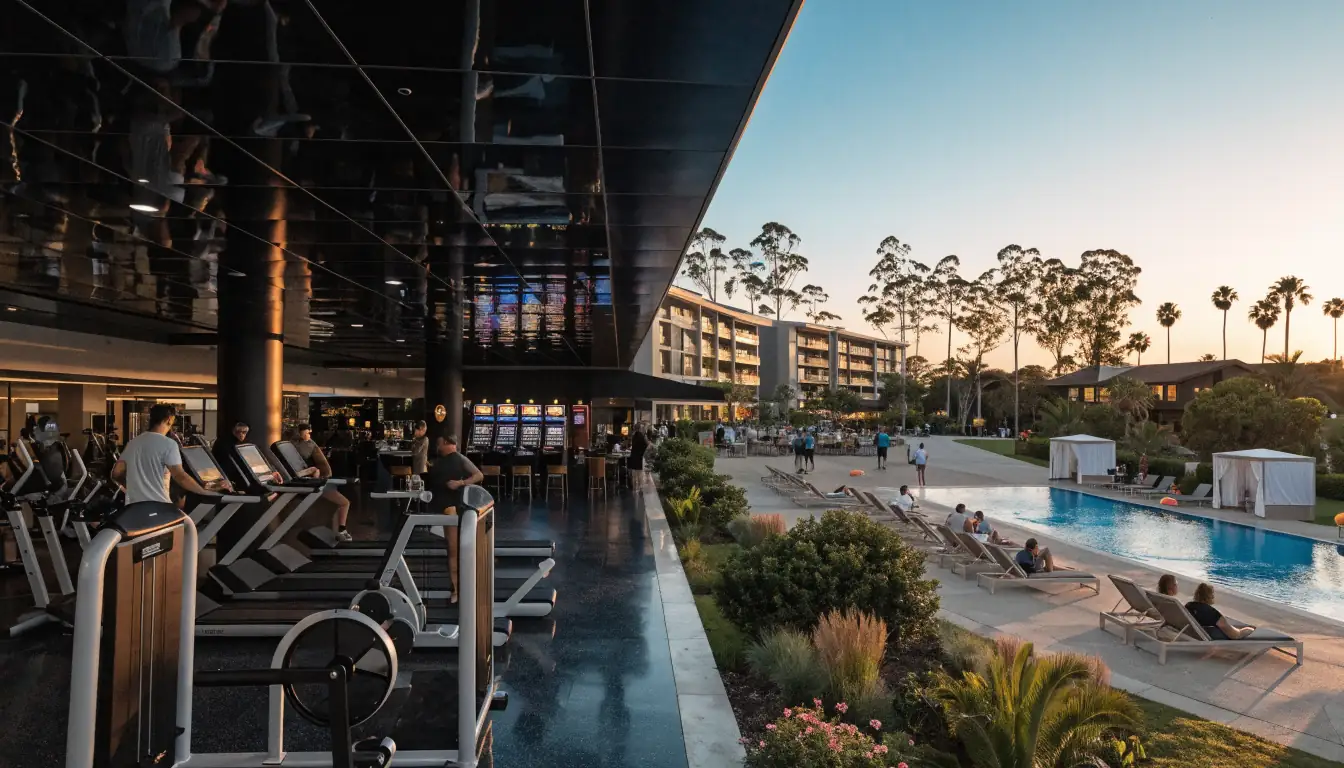
The core offering is built around three pillars: tables (including baccarat, alongside the standard blackjack and roulette spread), a bar service that runs through the gaming areas rather than being confined to one corner, and the pokies floor. Craps has a smaller footprint here than in US-style venues — it’s not the drawcard some visitors expect, so anyone specifically chasing a dice table should check availability before planning a trip around it. The bar operates as a functional extension of the floor: drinks service to players, not a separate destination venue. That’s a deliberate design choice common to Australian casinos generally, keeping people at the tables rather than pulling them into a lounge experience.
The regulatory layer nobody explains properly
Here’s the part that surprises people who’ve only gambled online: there’s no single body running gambling in Australia. Not one regulator, not one statute. It’s split between state/territory and federal levels, and each does a different job. A physical casino like this one answers primarily to territory-level licensing and gaming law — the same layer that governs the floor, the bar service, and how winnings are handled on-site.
Federally, the picture is different again. The Australian Communications and Media Authority enforces the Interactive Gambling Act 2001, which is the Commonwealth’s main tool for online gambling — a separate matter from what happens on a physical gaming floor in Canberra, but worth knowing because so much "casino" content online blurs the two. Then there’s the Northern Territory Racing Commission, which isn’t the national regulator on paper but functions as one in practice, since it licenses most of the online bookmakers operating nationally — largely because of the tax arrangement it offers them. None of that licensing touches the physical premises in Canberra. It’s a separate universe of rules that happens to share the word "gambling."
I’ve had readers ask why a casino’s own website barely mentions any of this. Simple answer: it’s not their job to explain jurisdiction to you, and it’s not particularly flattering marketing copy either. "Fully licensed and regulated" is doing a lot of quiet work in that sentence — regulated by whom, for what, is the part worth asking.
Gambling winnings in Australia are not subject to income tax, meaning any profit you walk away with from the tables or pokies is yours to keep.
The money question people actually care about
One fact cuts through most of the confusion: gambling winnings are not taxed in Australia. Whatever you walk away with at the tables or on the pokies floor is yours, full stop — a genuinely rare position by international standards, and one reason Australian gambling culture looks the way it does.
How this connects to online rankings
None of the above changes when you’re reading a ranking rather than visiting a floor. The rankings referenced across sites like this one are recalculated weekly using a weighted formula — bonus generosity, payout reliability, game library, support, and user feedback all factored in. That’s a private editorial exercise, not a government-issued license status. Worth remembering before treating any list as an official endorsement.
Physical venue, online reviews, federal law, territory licensing — four different things wearing one label.
Parking and Accessibility at Canberra Casino
Getting to a physical casino floor is the easy part in Canberra — parking, drop-offs, and the last few hundred metres are where most reviews go quiet. Not this one.
A word on scope first, because it matters here. This section covers the physical building — the one with a car park and a taxi rank — not the online products that dominate most searches under "casino canberra." That distinction isn’t pedantic. Under the Interactive Gambling Act 2001, no online casino operator can legally offer real-money slots, roulette, or blackjack to anyone in Australia, so any site claiming to be an "online Canberra casino" with pokies or live tables is operating outside the law regardless of what its landing page says. The physical venue and its car park are the only part of this story that actually exists in the form advertisers imply.
Getting there without a car
Public transport into the precinct connects through Canberra’s light rail and bus network, both of which stop within walking distance of the main entrance. For visitors staying elsewhere in the city, this is usually the less frustrating option — no circling for a bay, no ticket to lose in a coat pocket.

Taxis and rideshare drivers use a dedicated drop-off zone at the front of the building. It’s built for turnover, not lingering: pull in, let passengers out, move on. Anyone expecting a covered pickup lounge will find something closer to a curb with better lighting.
On-site parking
The car park itself is straightforward — multiple levels, signed routes to the entrance, and enough capacity that arriving on a normal weeknight rarely means a long search for a spot. Weekend evenings and event nights are a different story, and that’s covered separately when we get to the events calendar later in this guide.
Valet service exists for guests who’d rather hand the keys over and skip the walk from a higher level. It’s the kind of thing that sounds like a small luxury until you’re carrying bags from a hotel stay through a car park at night — then it’s just practical.
Accessibility
Accessible parking bays sit close to the main doors, and the drop-off point is level with the entrance rather than requiring a ramp detour. Wheelchair access runs from the car park through to the gaming floor without doubling back through service corridors, which isn’t always the case in older buildings retrofitted for compliance rather than designed with it in mind.
None of this is unique to Canberra — it’s the baseline expected of any licensed venue in Australia — but it’s worth confirming before a visit if mobility is a factor, since signage and lift placement vary between the older and newer sections of the complex.
What none of this has to do with
Parking, drop-offs, and lift access are physical logistics. They say nothing about the fairness of a game, the speed of a withdrawal, or the legitimacy of an "offer" flashing across a banner ad. Those questions belong to licensed operators offering sports betting or lottery products under state and territory rules — the only forms of online gambling with an actual regulatory home in Australia.

If a site promises pokies, blackjack, or roulette "for Canberra players" and never mentions which authority licensed it to do so, that omission is the tell. There’s no licence to check, because none exists for that product in this country. Getting to the car park is the simple part of this whole subject. Everything after the front door — what’s legal to offer online, and what isn’t — is where the actual homework needs to happen.
Nearby Accommodation Options for Casino Visitors
Not every visitor wants to stay inside the building where they’re playing. I get why — there’s something to be said for walking back to a room that has nothing to do with the gaming floor, no chips left on the nightstand, no reminder of the night’s numbers on your way to breakfast. Canberra’s inner north has enough hotel stock within a short walk or drive to make that a real option, separate from whatever the casino’s own attached property offers.
The area around the casino sits close to the city centre, so most of what’s available is standard business and mid-range hotel inventory rather than anything built around gambling tourism. That’s worth saying plainly: these aren’t "casino hotels" with themed rooms or gaming-adjacent perks. They’re ordinary properties that happen to be a short trip from the tables, and they price and operate exactly like they would anywhere else in Canberra.
What to expect from the surrounding options
Booking something nearby rather than inside the complex usually comes down to one of a few reasons:
- Price — independent hotels a few minutes away often undercut whatever premium the attached property charges for proximity.
- Quiet — a property with no gaming floor downstairs means no ambient noise from the casino side of the building, and no walk past the machines every time you leave.
- Longer stays — visitors combining a casino trip with other business in Canberra sometimes prefer a hotel that isn’t defined by one industry.
- Group bookings — families or groups where only some members are gambling tend to book outside the complex so the stay isn’t centred on the casino at all.
None of this is a knock on the attached hotel option — that’s covered elsewhere and serves a different purpose. This is about the surrounding inventory: what’s a taxi ride or a walk away, not what shares a lobby with the gaming floor.
Getting between hotel and casino
Distance from the casino varies by property, and I won’t invent numbers where none exist — but the practical point is that most nearby accommodation sits within easy reach of the casino by car or on foot, given the compact layout of the area. Anyone booking off-site should factor in how they’ll get back late, since options thin out the later it gets, same as in most Australian city centres.
A word on what these hotels are — and aren’t
Worth being direct about something adjacent to this topic: none of the accommodation in the area, casino-attached or not, has anything to do with online "casino" products. The physical Canberra casino operates under its own state licensing as a bricks-and-mortar venue. That’s a completely different legal category from online casino games — slots, blackjack, roulette, poker played over the internet — which remain prohibited for Australian residents under federal law. Sources differ on which year that prohibition dates to, with some citing the Interactive Gambling Act 1997 and others the 2001 Act; either way, the restriction on offering those games online to Australians stands today. It doesn’t touch a hotel booking near a physical venue, and it doesn’t touch sports betting, which is licensed and legal at the state and territory level. Booking a room near the casino carries none of that baggage — it’s just accommodation.
For anyone weighing where to stay, the honest answer is that proximity matters less than most booking sites suggest. A ten-minute walk changes very little about the experience of playing. What changes it is whether you want the casino to be the last thing you see before bed.
Quiet room, no chips in sight.
Dining, Buffets and Employment Opportunities
Ask anyone who’s worked a breakfast shift on a casino floor and they’ll tell you the buffet is the quiet workhorse of the whole operation. It’s not the part anyone photographs for a brochure, but it’s what keeps the building fed at hours when the kitchens attached to the fine-dining rooms haven’t even turned their ovens on yet. A casino resort in Canberra runs on this kind of scheduling logic: someone is always awake, so someone always needs to eat.
The breakfast service tends to be the most practical of the food offerings, aimed at guests who stayed the night and want something fast before heading back to the tables or out the door. It’s built for turnover, not lingering — trays replenished on a cycle, seating that clears itself within the hour. Compare that to the buffet’s evening version, which slows down, adds variety, and starts pulling in people who aren’t staying at the property at all, just locals who know the spread is worth the drive.

None of this is glamorous. I’ve seen buffet lines get treated as an afterthought by management right up until the numbers come in and someone realises it’s quietly one of the busiest revenue lines in the building — because it’s priced for volume, not for margin per plate, and volume is what a casino floor generates by default.
Who actually works here
The employment side of a casino resort is wider than most people assume walking in the front door. It’s not just dealers and pit bosses, though those roles exist and get most of the attention. Behind that:
- Food and beverage staff — buffet attendants, kitchen porters, chefs, and bar staff running shifts that rarely follow a normal nine-to-five.
- Front-of-house and hospitality roles — reception, concierge, and event staff tied to the resort side of the business rather than the gaming floor.
- Gaming operations — dealers, cashiers, surveillance, and compliance staff, all of which require the age and background checks you’d expect from a licensed venue.
- Facilities and support — cleaning, maintenance, and security, the unglamorous roles that keep a 24-hour building functioning.
A "career opportunity" listing at a venue like this reads well on a careers page, but what it usually means in practice is shift work — early mornings for buffet prep, late nights for the gaming floor, and everything in between for facilities. That’s not a criticism. It’s just what running a building that never fully closes actually requires.
One thing worth being clear about, because the ranking side of this site deals with it constantly: employment at a physical Canberra casino has nothing to do with the online gambling market. There are no domestically licensed real-money online casino operators available to Australian players, so any job posting referencing an "online casino" role tied to this property should be treated as unrelated at best, and a red flag at worst. The venue’s actual employer of record is the land-based resort — the floor, the kitchens, the front desk. Nothing online sits behind it, because nothing legally can.
Rewards programs tied to dining and stays are a separate matter from staffing, worth checking directly with the venue rather than assuming they mirror what other resorts offer. What’s consistent across the industry is simpler: the people plating the breakfast buffet at seven in the morning and the people running roulette at midnight are part of the same payroll, same building, same long day.
Operating Hours, Development and Event Schedule
Ask any front-desk manager what question comes up most and it won’t be about the poker room or the buffet. It’s "are you open now" — usually from someone standing outside at an hour that doesn’t match what a website said months ago. Physical venues update their listings on their own schedule, which is a polite way of saying: sometimes they don’t.
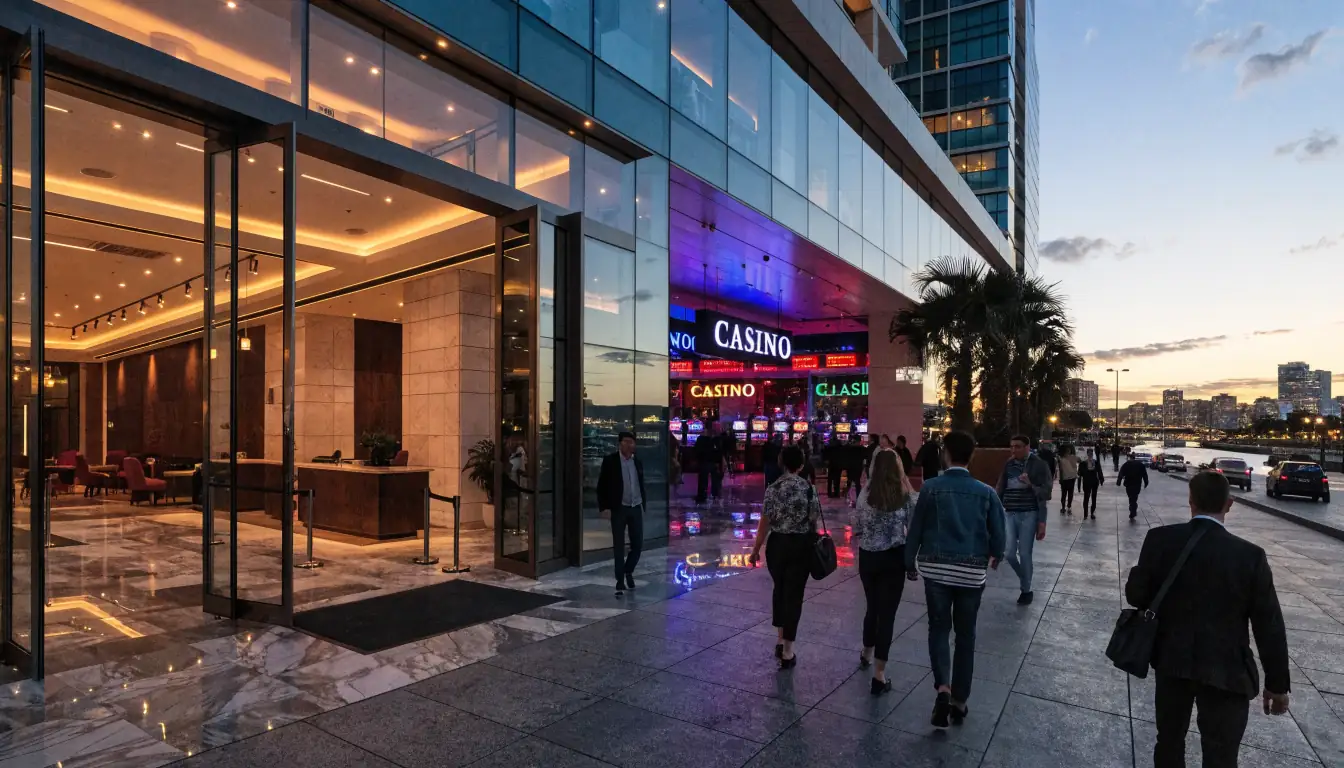
That gap between what’s printed and what’s true matters more with a property that’s gone through renovation cycles, ownership changes, or staged reopenings. Any of those can shift hours for weeks at a time without much notice beyond a sign at the entrance. If a "reopening" has been announced somewhere, the safest move is treating it as a rumour until the venue itself confirms it — not because reopenings don’t happen, but because the announcement and the actual date rarely land on the same day.
What actually changes, and what doesn’t
Gaming floors, bars, and function spaces tend to run on different clocks from each other. A casino can be fully open for table games while a specific bar or lounge is closed for a private event, or vice versa. That’s normal operational layering, not a sign anything’s wrong — but it does mean a single "open/closed" answer rarely covers the whole building.
Development work is the other variable. Renovations to gaming areas, new wings, or refreshed entertainment spaces get announced with fanfare and then take longer than the fanfare suggested. That’s not unique to Canberra — it’s how construction timelines work everywhere. The practical takeaway: if a visit is built around a specific facility, confirming it’s currently operating (not just "usually operating") saves a wasted trip.
Event scheduling
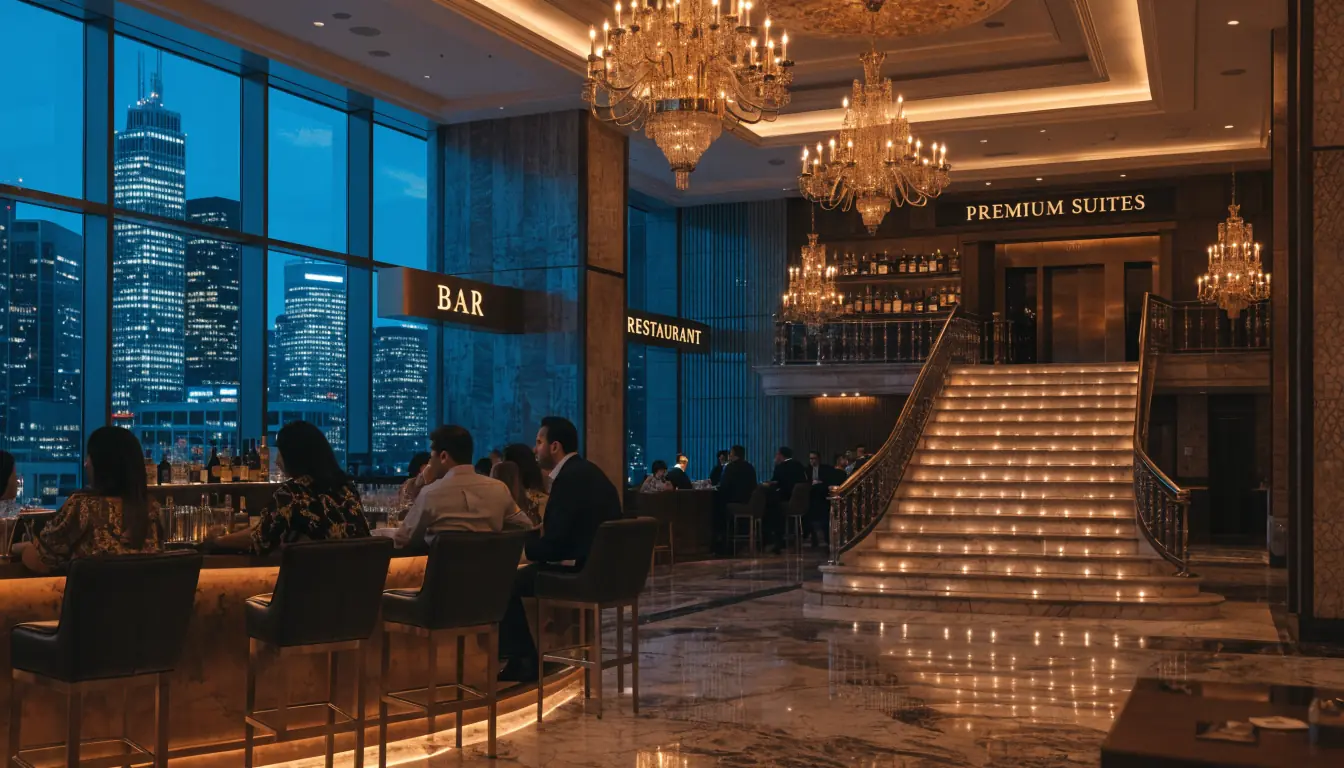
Live entertainment, tournament nights, and themed evenings run on a calendar separate from day-to-day opening hours. A casino can be open every day and still only host a particular event once in a while. Where this gets confused is when people search for "events" expecting a running list — what’s actually available depends entirely on what’s currently booked, and that turns over constantly.
None of this touches what happens once someone leaves the building. Worth restating plainly, because search results for Canberra’s casino sit right next to results for online play: no operator can legally offer real-money online casino gambling to Australian residents, and there’s no path to a domestic licence for one. Attractive as it sounds, "check the hours online and play online too" isn’t an option here. What’s on the floor in Canberra and what’s advertised on an offshore gambling site are two different legal categories entirely, no matter how similar the marketing looks.
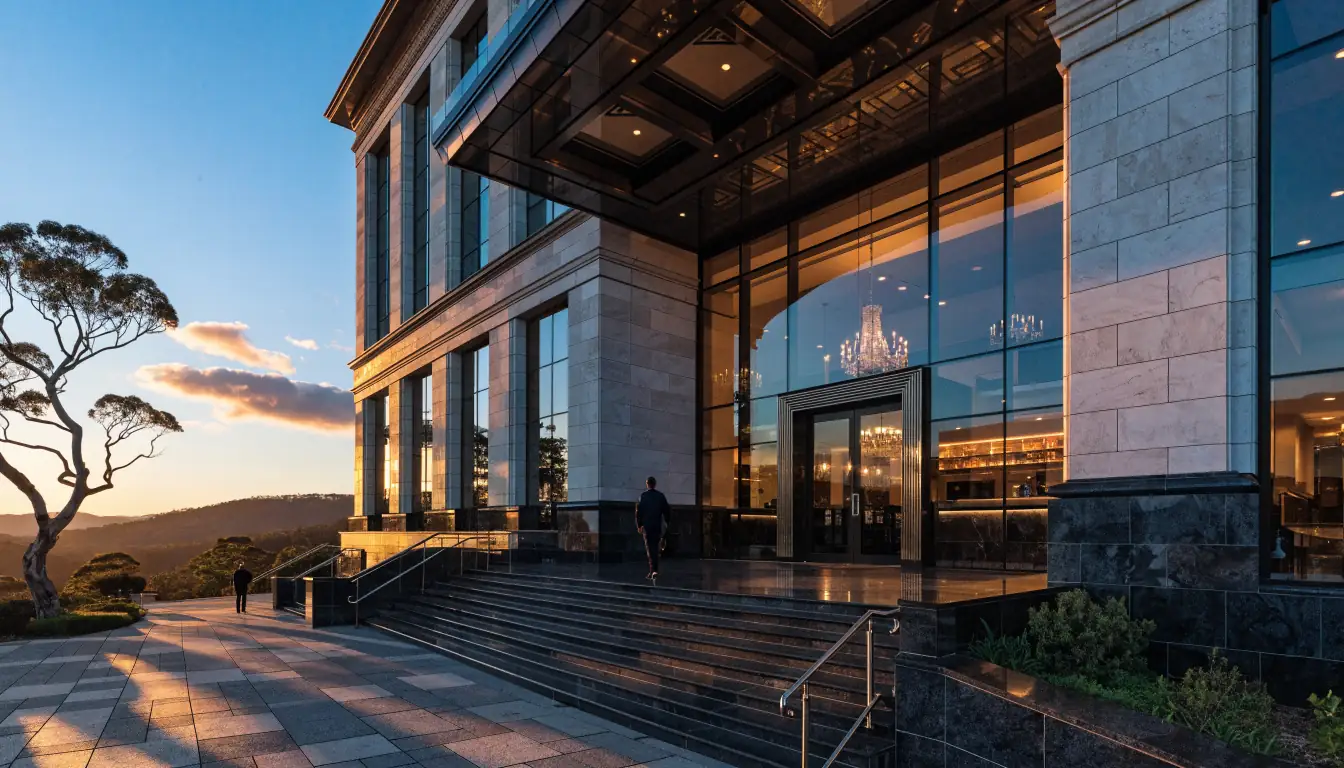
For anyone planning around opening times, development milestones, or a specific event, the venue’s own current notices are the only reliable source — third-party listings, including this one, describe patterns, not guarantees.
Check before you drive.
Wellness and Spa Services at the Casino
Nobody puts "spa" on a casino brochure by accident. It’s there because someone worked out that a gambling floor needs a decompression valve, a room where the lighting isn’t calibrated to keep you awake and alert. Whether Canberra’s casino runs a day spa on the scale of the big Gold Coast or Sydney properties is a different question, and I’ll say plainly: I couldn’t find a published, current list of treatments, opening hours, or booking terms for one at this address. If a spa operates on site, the casino doesn’t publish specifics anywhere a visitor can check before turning up. That’s worth knowing before you build a trip around it.
What’s easier to nail down is the dress code, because every casino has one and enforces it at the door, not quietly. The general rule across Australian casino floors is neat, presentable attire — no thongs, no singlets, no visible workwear, no obvious sportswear. Bars attached to the gaming floor tend to hold to the same standard after a certain hour, especially on weekend nights when the room fills up. Staff at the entrance aren’t being precious about it; they’re managing the mood of the floor, because a room full of people in gym gear reads differently to a pit boss than a room in collared shirts.
What "wellness" actually covers here
- A rest from the floor — quiet lounges or bar seating away from the machines
- Dress standards enforced consistently at main entrances and premium rooms
- Staff who can point you toward nearby day spas if the property itself doesn’t run one
None of that is a treatment menu, and I’m not going to invent one. If wellness and recovery are the point of your visit rather than a side note, it’s worth calling ahead and asking directly what’s bookable that week, because casino amenities rotate and get renovated without much notice.
One thing that has nothing to do with robes and hot stones but comes up in the same breath as "relaxing on site": in-play betting through an app while you’re sitting in a lounge chair. Worth being clear-eyed about it — live, in-play online betting is illegal in Australia. Betting live by phone call is a different matter and legal, which is a distinction that trips people up because it sounds like a technicality but isn’t. If you’re chasing a "wellness" afternoon at the casino and planning to bet on your phone between treatments, know which of those two things you’re actually doing.
The honest summary: expect a dress code, expect it enforced, and don’t expect a published spa menu to plan your day around.
Restaurant Choices Within the Casino Complex
Ask anyone who’s worked a floor what "fine dining" means inside a casino, and they’ll tell you it’s mostly about sightlines and timing — a room designed so a pit boss can glance over and a guest never feels watched. Canberra’s casino restaurant scene follows that same unwritten logic, even where the specific venues aren’t the kind of thing published in an official fact sheet.
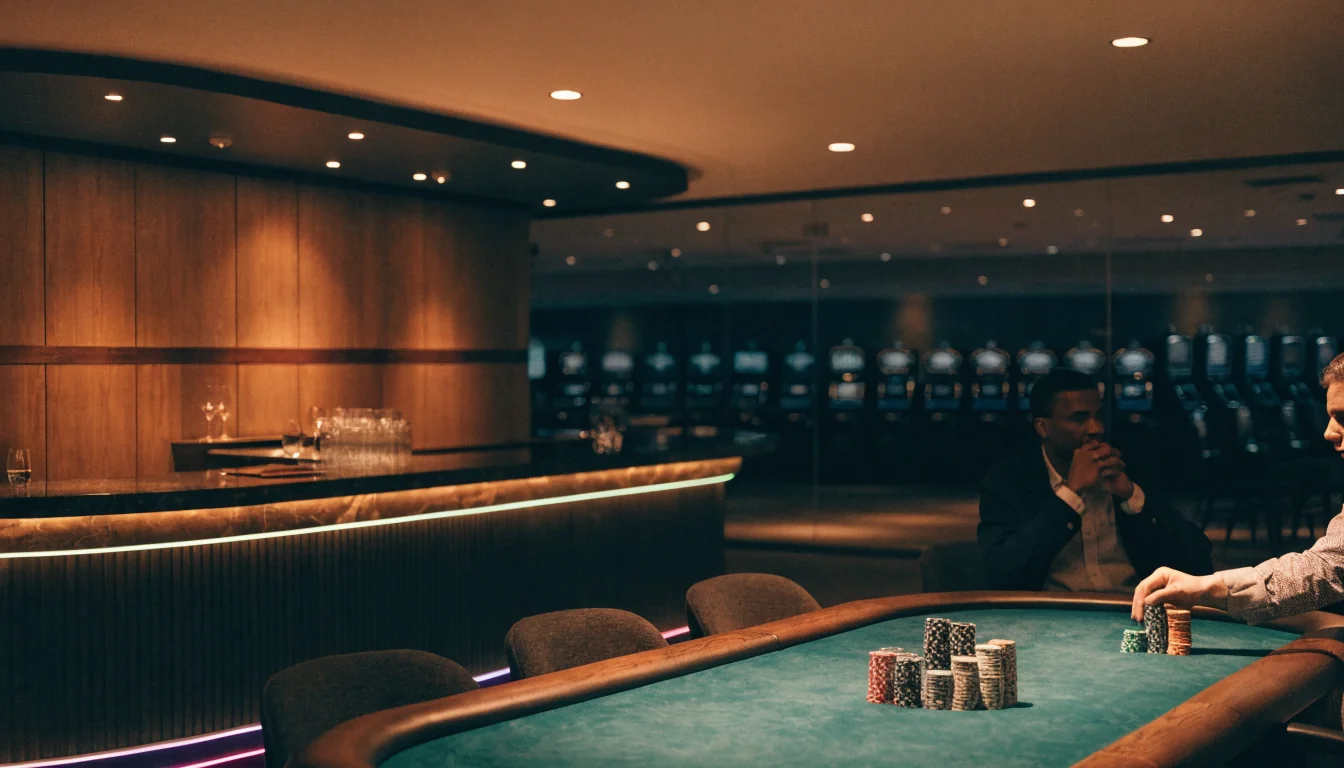
What I can say from having sat through enough slow Tuesday dinners in gaming venues is that a casino restaurant floor is rarely just one restaurant. It’s usually layered: a sit-down room with table service and an actual wine list, sitting apart from the grab-and-go counters covered elsewhere on this page, and separate again from the buffet spread. That separation isn’t accidental — it’s how a casino manages a guest who wants a quiet meal before a session at the tables, and a different guest who wants to eat standing up between hands.
What sets the sit-down room apart
A proper in-house restaurant at a casino complex tends to differ from the food court in three ways worth watching for:
- Table service with a fixed menu, rather than counter ordering — the kind of setup built for a pre-dinner or post-dinner meal, not a quick bite.
- A bar or lounge attached, often positioned to catch casino traffic without sitting directly on the gaming floor.
- Longer hours around peak evening trade, timed to the casino’s own operating rhythm rather than a standard restaurant schedule.
None of that is unique to Canberra — it’s the standard blueprint for casino dining anywhere gaming revenue funds the kitchen. What’s harder to pin down, and what official material rarely spells out, is exactly how many distinct sit-down venues sit inside the Canberra complex at any given time, or which cuisines they run. That detail isn’t published anywhere I could verify, so I’m not going to guess at a menu that might not exist by the time anyone reads this.
Rooftop and bar-style dining
Rooftop bars attached to casino complexes usually do double duty — drinks-and-view space early evening, spillover dining later. Where a venue like this exists, it tends to be the room casino marketing leans on hardest, because it photographs well and doesn’t require anyone to sit at a slot. Whether Canberra’s casino currently runs one, and what it serves, isn’t something I can confirm against a verified source, so treat any claim about a specific rooftop menu with suspicion until the operator itself says so in writing.
The honest takeaway: casino restaurants exist to keep you on-site, not to compete with the city’s best kitchens. Judge them on convenience, not ambition.

Food Courts and Pool Areas
Not every visit calls for a tablecloth. Casual dining areas exist for the people who want a quick bite between sessions on the floor, or a coffee before deciding whether to stay another hour. What actually sits in a "food court" changes depending on the property and the season — I’ve seen operators rotate quick-service counters in and out based on foot traffic, which makes any fixed list of vendors a promise nobody can keep for long. Whether Canberra’s casino has one, and what it stocks, isn’t something published anywhere I could verify.
Same goes for a pool. Some casino resorts bundle a pool into the package as part of a broader hotel offering; others don’t have the land for it, or never built one because the gaming floor was always the point. I couldn’t confirm a pool facility attached to the Canberra property, and I’d rather say that plainly than describe loungers that may not exist.
None of this is unusual. Food courts and pools are the kind of detail that gets added, closed, or renovated without much announcement — they’re amenities, not the main draw.
If a quick meal or a swim matters to the trip, checking directly with the venue before arriving saves a wasted walk. Better than guessing.
Are crypto casinos legal in Australia in 2026?
No — online casino games of any kind, including slots, poker and roulette, are prohibited under the Interactive Gambling Act 2001, and no domestic online casino licence exists. However, it is not illegal for individual Australians to play at offshore-licensed casinos, as the law targets operators rather than players.
What is the minimum legal gambling age in Australia?
18 years is the minimum age to access casino offers in Australia.
Are gambling winnings taxed in Australia?
No, gambling winnings are not taxed in Australia.
Who regulates online gambling in Australia?
The ACMA (Australian Communications and Media Authority) enforces the federal Interactive Gambling Act 2001, while the Northern Territory Racing Commission is the de-facto online gambling regulator since it licenses most national online bookmakers. There is no single overarching statute or authority — regulation happens at both state/territory and federal levels.