
Best Casino in Queensland: Rooms, Dining and Rules

Table of Contents
- Regulatory Landscape for Queensland Casinos
- Casino Hotels in Queensland
- Nearby Accommodation Options for Casino Guests
- Gaming Facilities – Poker Rooms and Casino Gyms
- Buffet and Breakfast Offerings at Queensland Casinos
- Restaurant Choices Inside Queensland Casinos
- Food Courts and Pool Areas – Casual Dining Options
- Parking and Accessibility for Queensland Casino Visitors
- Spa and Wellness Services at Queensland Casinos
- Contact Points – Bars, Baccarat, Concerts and Events
- Casino Operations – Opening Hours, Development Plans and Events
- How Casino Rankings Are Calculated – Methodology
Regulatory Landscape for Queensland Casinos
Nobody hands you a single rulebook for gambling in Australia. I learned that the hard way years ago, expecting one national regulator and finding instead a patchwork of state and federal bodies that don’t always talk to each other. There is no single overarching statute or single overarching gambling authority regulating gambling in this country — regulation sits at both state/territory and federal levels, and Queensland casinos answer to whichever layer is relevant to the question being asked.
Land-based venues, like the physical casinos this guide covers, fall mostly under state jurisdiction. Licensing, floor operations, responsible gambling signage on-site, staff conduct — that’s state territory. Anything that crosses into the online or interactive space is a different matter entirely, and that’s where the federal layer takes over.
At the federal level, the Australian Communications and Media Authority (ACMA) enforces the Interactive Gambling Act 2001. Its job isn’t to license casino floors or approve a new gaming table — it polices what gets offered online to Australian residents. That distinction matters more than it sounds. A physical casino’s poker room and its digital footprint aren’t governed by the same body, or even the same logic.
What this means in practice, for context before the rest of this guide:
- A Queensland casino’s physical operations — gaming floor, hotel, dining — are shaped by state-level rules, not a national gambling code.
- Anything the same operator does online is a separate regulatory question, sitting with ACMA rather than the state.
- There’s no single agency to call for “the rules” on Queensland casinos. Which body applies depends on what you’re actually asking about.
Every section that follows — hotels, gaming rooms, dining, parking, spa, events — sits inside a venue that operates under this split system. Worth knowing before any of it starts to sound like one tidy regulatory story. It isn’t.
Casino Hotels in Queensland
Every major integrated resort in the state was built on the same premise: keep the guest close to the floor. The room upstairs isn’t really the product — it’s the holding pen between sessions. I’ve walked hotel corridors at 3am that led straight back down an escalator to the pokies, no detour through a lobby, no fresh air, nothing to break the loop. That’s not an accident of architecture. It’s the floor plan doing its job.
That said, the accommodation itself is genuinely good, and pretending otherwise would be dishonest. Queensland’s casino hotels compete on the same terms as any premium city or resort property — the difference is who’s paying for the upgrade. Casinos can afford to subsidise rooms because the room was never where they expected to make money.
What "deals" actually mean here
Package rates advertised as casino hotel deals usually bundle a room night with dining credit, resort fees, or a show ticket. On paper it reads as value. In practice, the bundling exists to get a guest to commit to a longer stay on-property rather than book a night, gamble, and leave. A "deal" in this context is a retention tool wearing a discount’s clothes. That doesn’t make the room bad — the beds, the views, the service standard are usually well above what an unattached hotel at the same price point offers. It just means the discount was never really about the room.
Rate structures also move with occupancy on the floor below, not just with the conference calendar or school holidays like a standard hotel. A quiet week on the tables can mean a cheaper room upstairs. Nobody prices it that way publicly, but staff who’ve worked reservations will tell you the two departments talk more than guests assume.
Room quality across the tiers
Queensland’s casino hotels generally split into three tiers:
- Tower rooms — standard accommodation, usually renovated on a cycle tied to the resort’s broader capital works rather than genuine wear. Comfortable, unremarkable, priced to fill.
- Executive and view rooms — higher floors, better outlooks, sometimes lounge access. This is where most of the “deal” packages sit, because it’s the tier most sensitive to occupancy pressure.
- Suites — reserved heavily for hosted guests. Public availability exists but is often limited, and rates for suites can look disconnected from the rest of the property because they’re not really priced for the open market.
None of this is unique to one venue — it’s the standard shape of an integrated resort anywhere gambling has been legal long enough for the hotel and the floor to be designed together.
Booking direct versus third-party
Booking through the casino’s own loyalty program typically unlocks tier-based perks that third-party travel sites can’t match — not because the hotel withholds availability out of spite, but because the loyalty tier is the mechanism that tracks time and spend on the floor. A room booked through a generic travel site is just a room. A room booked through the resort’s own program is a data point.
For anyone weighing a stay purely as a stay — no gambling involved — that distinction barely matters. For anyone here specifically for the floor, it’s worth knowing the "member rate" is doing double duty as a tracking tool, not just a discount.
A caution worth stating plainly
Given that roughly seven in ten Australian adults gambled in the past year, and well over a third gamble weekly, a casino hotel stay is, for a large share of guests, not a neutral travel choice — it’s a stay built around continued play. That’s fine for people who gamble within limits they’ve set for themselves. It’s worth flagging, though, that a meaningful minority of Australian adults experience significant gambling problems, and hotel packages that reward extended, uninterrupted time on-property don’t distinguish between a guest enjoying a weekend and a guest who shouldn’t be there another night.
Gambling can lead to significant financial loss – Australia’s gambling losses reached $31.5 billion in 2022‑23. Play responsibly and set personal limits.
No package brochure will say that. It doesn’t need to. The room rate does the talking, and the talking is persuasive.
What’s actually worth paying for is straightforward: room quality, floor location relative to noise and traffic, and whether the "deal" price still holds up against a plain room-only rate once the bundled extras are stripped out. Often it does. Sometimes the bundle is just markup with a bow on it.
Nearby Accommodation Options for Casino Guests
Not everyone wants to sleep where they’ve been playing. I’ve heard this from more than a few regulars over the years — a preference for putting some distance between the gaming floor and the pillow, even if it’s just a ten-minute walk. Queensland’s casino precincts all sit inside or near established hotel districts, so the option is there.
Brisbane and the Gold Coast both have dense hotel markets within a short trip of their casino properties — everything from mid-range chain hotels to serviced apartments and short-term rental units. Cairns is smaller and more tourism-driven, which means accommodation nearby tends to skew toward resort-style stays aimed at travellers combining reef trips with a night or two at the tables.

What "nearby" actually buys you
The pitch for staying off-site is usually price and flexibility. Serviced apartments and rental units often come with kitchens, separate living space, and rates that don’t carry the premium of a branded casino tower. For a longer stay — a weekend trip rather than one night — that difference adds up.
The trade-off is obvious enough that it barely needs saying: no direct lift down to the floor, no resort loyalty tie-in, and any transport link is one you arrange yourself rather than one built into the stay. Whether that matters depends on how much of the visit is actually spent gambling versus everything around it.
Choosing between on-site and nearby
A few practical points worth weighing:
- Distance to the gaming floor. Off-site properties within walking distance keep most of the convenience without the on-site price tag.
- Booking flexibility. Short-term rentals and independent hotels often carry different cancellation terms than casino-branded rooms — worth checking before assuming they match.
- Local transport links. Precinct areas in Brisbane and the Gold Coast are generally well served by public transport, which narrows the practical gap between staying on-site and staying a few blocks away.
- Package deals. Some nearby hotels run their own promotions tied to major events or peak seasons in the area, separate from anything the casino itself offers.
None of this touches what happens at the tables. Gambling losses in Australia ran to $31.5 billion in 2022–23, a figure that has nothing to do with where anyone slept that night — it’s a reminder that the accommodation decision is a minor line item next to the bigger one. On the other side of the ledger, any winnings from a visit aren’t taxed, which is at least one thing that doesn’t complicate the trip.
Booking timing
Queensland’s casino cities pull tourist traffic independent of gaming — reef tours, conventions, school holidays — so nearby accommodation can tighten up for reasons that have nothing to do with the casino calendar. Checking what else is on in the city before locking in dates is a habit worth having, particularly in Cairns where the room supply is smaller.
Gambling taxation is a meaningful slice of state revenue — it made up 7.7% of state and territory tax collections back in 2015–16 — which is part of why these precincts get sustained infrastructure and hospitality investment. That investment is also what keeps the surrounding hotel market competitive enough that staying off-site remains a genuine option rather than a compromise.
The short version: nearby accommodation isn’t a downgrade, it’s a different set of trade-offs. Worth comparing before booking either way.
Gaming Facilities – Poker Rooms and Casino Gyms
Poker rooms in Queensland’s casino venues run on the same logic everywhere: a floor manager sets the tables that fill, not the marketing department. Walk into any of the state’s card rooms on a weeknight and you’ll see cash games running alongside a scheduled tournament series, with staff rotating tables based on demand rather than a fixed roster. That flexibility is the actual product — the felt itself is identical from venue to venue.
Tournament structures vary by night and by season, and venues don’t publish a fixed annual calendar the way a sports fixture list works. What’s consistent is the entry process: photo ID at the door, an account or membership card for tracking, and — because this is a gambling floor — a hard line at 18 years of age. Nobody under that gets near a table, and staff check ID rather than take a guess based on appearance.
What the poker floor actually looks like
- Cash tables: running most operating hours, buy-ins set by stakes level rather than a house minimum that applies everywhere.
- Tournament tables: scheduled series, often with a qualifying structure that feeds into a larger event later in the week.
- Private or high-limit rooms: separated from the main floor, typically requiring a host introduction rather than a walk-in booking.
None of this touches the state’s regulatory position on online poker or online casino products — that’s a separate matter covered in the regulatory section, and it’s worth being blunt about it here because the two get confused constantly. The Interactive Gambling Act 2001 is the Commonwealth law that governs online gambling, and it’s aimed at operators rather than the physical poker room in a Queensland casino. Some sources instead cite an Interactive Gambling Act 1997 as the statute that bars online casino games from being offered to Australian residents — the naming isn’t consistent across official material, and rather than pick one silently, it’s fairer to flag that the two dates appear interchangeably depending on the source. Either way, none of it changes how a physical card room operates: that’s state-licensed gaming, not the online product the federal act addresses.
The gym, and why it’s there
Casino resorts attach a gym for the same reason they attach a spa — length of stay. A guest who’s booked a room for a weekend around a poker series needs somewhere to be at 7am that isn’t the gaming floor. The facilities themselves are standard hotel-gym fare: cardio equipment, weights, sometimes a pool adjoining the fitness area. Access is usually tied to a room key rather than sold as a standalone pass, which is worth knowing if the plan is to visit for the tables only — a non-resident dropping in just to use the gym isn’t really the intended customer.
Gym access
Access is tied to your room key; non‑guests cannot use the gym without a paid pass. Opening hours match early‑morning sessions for players who stay late on the floor.
None of this is dressed up as a "wellness experience" in the way a resort brochure might frame it. It’s a gym. It works. It’s open at hours that suit someone whose night ran late at the tables, which is really the point of it existing at all.
Sports bars and the gaming floor line
Sports bars sit adjacent to gaming areas in most of these venues, and the split matters: one side has screens and betting terminals tied to licensed wagering products, the other has felt tables and pokies. Staff and signage generally keep the two distinct, partly because the compliance requirements differ — wagering terminals fall under state betting rules, table games under the casino’s gaming licence. A visitor moving between the two won’t notice much operational difference, but the paperwork behind each is not the same, and that’s not something the venue is obliged to explain at the bar.
One honest gap
Reviewers checking these venues put down at least A$300 at the tables and gaming floor to test how the room actually runs — buy-in speed, how withdrawals from a cage are handled, whether the tournament schedule matches what’s posted. That’s useful for judging a specific night’s experience. What it can’t answer is whether poker room conditions or tournament structures differ meaningfully between venues in ways that matter to a regular player — none of the operators publish comparative detail on that, and no independent body tracks it either. So that comparison, unlike the floor itself, stays open.
Buffet and Breakfast Offerings at Queensland Casinos
Buffet lines at Queensland’s casino resorts get talked up a lot in promotional material, and having stood near enough of them, I can say the reality is more mundane than the brochures suggest. A buffet exists to move volume — get a large number of guests fed quickly between gaming sessions, conference blocks, or check-out times — and everything about the format follows from that goal rather than from any ambition to impress.
What a casino buffet actually is
The word "buffet" itself is doing marketing work. It implies abundance, and technically that’s true — there is a lot of food, laid out under heat lamps, replenished on a schedule tied to service peaks rather than to when a dish is at its best. What it does not imply, though it’s often written as if it does, is refinement. A resort’s buffet and its a-la-carte dining room answer to completely different budgets and completely different labour models. One has a brigade of cooks plating individual orders; the other has stations that need occasional restocking. Knowing which one you’re walking into changes what a reasonable expectation looks like.
Breakfast is where the buffet format earns its keep. Early sittings serve a mix of overnight guests, staff coming off shift, and gamblers who never left the floor. The morning spread tends to be the most consistent meal of the day precisely because breakfast items — eggs, pastries, fruit, cereals — hold up better under a heat lamp than a dinner protein does. If there’s one buffet sitting worth prioritising over the others, it’s this one, not because it’s spectacular but because it’s the least likely to disappoint.
Where buffets sit in the resort’s economics
It’s worth being honest about why these venues exist at the price point they do. A casino resort’s food and beverage arm is rarely the profit centre — the gaming floor is — which means buffet pricing and quality often get set with an eye to keeping guests on-site and comfortable rather than to competing with the city’s better restaurants. That’s not a criticism so much as a description of the incentive structure. Once you see it that way, the occasional underwhelming dessert station makes more sense.
None of this connects to the a-la-carte or themed restaurant rooms inside the same resorts, which run on a different service model entirely and are worth judging on their own terms elsewhere. It also has nothing to do with the food-court or poolside counters some properties operate for casual, pay-as-you-go meals — those serve a different crowd at a different price point again.
Buffet pricing is often bundled with room packages; the real value depends on whether the extras are already included in your deal.
A note on staffing
Buffet and breakfast services are one of the larger employers within a casino resort’s food and beverage division, running continuous shifts to cover early sittings through to late dinner service. Anyone looking at hospitality roles attached to these properties will find the buffet and breakfast teams among the most consistent sources of entry-level and supervisory positions, simply because of the staffing volume the format requires compared with a smaller a-la-carte kitchen.
Practical notes before you book
A few things worth checking before assuming a buffet sitting is included in a room package:
- Sitting times — breakfast service windows are usually fixed and tied to check-out schedules, not flexible.
- What’s included versus what’s charged separately — resort packages vary in whether buffet breakfast is bundled or billed per head.
- Loyalty programme perks — some resort rewards tiers include complimentary or discounted buffet access, which is worth confirming against your membership level rather than assuming.
None of these are things a menu board tells you. They’re the operational details that decide whether the "included breakfast" line in a booking confirmation is actually free.
Restaurant Choices Inside Queensland Casinos
Walk past the pokies floor and the tone changes fast. Queensland’s casino restaurants split into two clear camps: the a-la-carte rooms built around a single cuisine, and the "fine dining" spaces that trade heavily on the word without always earning it. I’ve eaten in enough of both to know the difference usually comes down to who’s running the kitchen, not the size of the wine list on the table.
The steakhouse format is the safest bet at most properties — dry-aged cuts, an open grill, a sommelier who actually knows the list rather than reciting tasting notes off a card. These rooms tend to book out on weekends, and walk-ins after eight in the evening are a gamble in themselves. Asian-fusion venues sit at the other end, usually smaller, often better value, and less dependent on the casino floor for foot traffic — they pull locals who wouldn’t otherwise set foot near a gaming table.
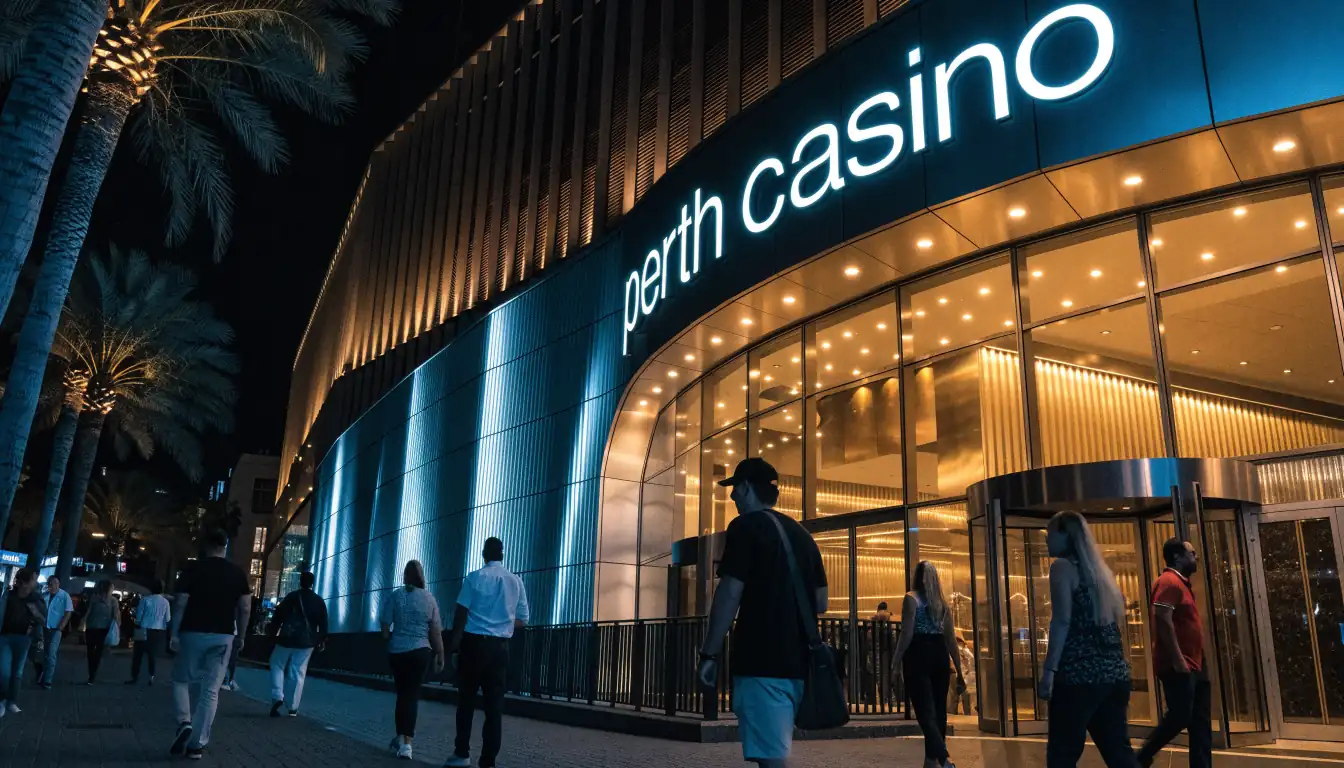
Rooftop dining has become the calling card for a few of the newer developments. The view sells the room before the food does, which is fine when the kitchen keeps up and disappointing when it doesn’t. A rooftop bar attached to a casino restaurant is usually priced for the view, not the pour — worth knowing before you order a second round.
What actually separates the good ones
- Kitchen visibility — open kitchens tend to correlate with consistency, mostly because there’s nowhere to hide.
- Booking policy — some restaurants hold tables for hotel guests only during peak periods, others run first-come.
- Menu turnover — themed restaurants that rotate seasonally are usually chasing quality; the ones that never change the menu are usually chasing margin.
- Separation from the gaming floor — the further the dining room sits from the pokies and tables, the calmer the service tends to be.
None of this has anything to do with the online side of the industry, and it’s worth being blunt about that split. Online casino games, including anything resembling a slot or a table game, are prohibited federally in Australia — there’s no domestically licensed operator offering real-money online casino play here, on the mainland or otherwise. Online sports betting is a different matter and legal under state and territory licensing. So the restaurant sitting inside a Queensland casino has no digital equivalent to compare itself against — it’s a physical experience tied to a physical licence, full stop.
Book ahead for anything with "steakhouse" or "rooftop" in the name. Everything else, you can usually walk into.
Food Courts and Pool Areas – Casual Dining Options
Not every visit calls for a tasting menu or a bottomless buffet tray. Between sessions on the floor, most Queensland casino complexes run a food court tier: quick-service counters covering the usual spread — noodles, burgers, coffee, something fried. No bookings, no dress code, no waiting for a table to turn over. It’s the section nobody photographs for a brochure, which is exactly why it works. You eat, you go back to whatever you were doing.
Food courts provide quick, affordable meals without the need for reservations, making them ideal for short breaks between gaming sessions.
Pool areas serve a different rhythm. They’re built for the guests staying on-site rather than the ones dropping in for an evening — sun loungers, a bar within reach of the water, a food menu trimmed down to things that survive a tray carried past wet tiles. Service here tends to be slower by design; nobody’s rushing a pool bar the way they rush a table game.
Neither of these spaces touches what happens inside the gaming floor, and that distinction matters more than it looks. Everything served poolside or across a food court counter is physical, on Queensland soil, under Queensland law. The games themselves sit under a separate and far stricter regime — offering online casino products to Australians isn’t just unlicensed, it’s not something anyone can get a licence for domestically. Live in-play betting online carries its own ban too, though the same bet placed by phone is treated differently. Worth knowing before assuming the rules follow you home.
Parking and Accessibility for Queensland Casino Visitors
Parking gets treated as an afterthought in most casino write-ups, which is odd given how much floor space and staff time a property sinks into it. Multi-storey car parks, valet desks, drop-off zones, taxi ranks — none of it is free to run, and none of it shows up in a bonus table. It’s worth more attention than it gets.
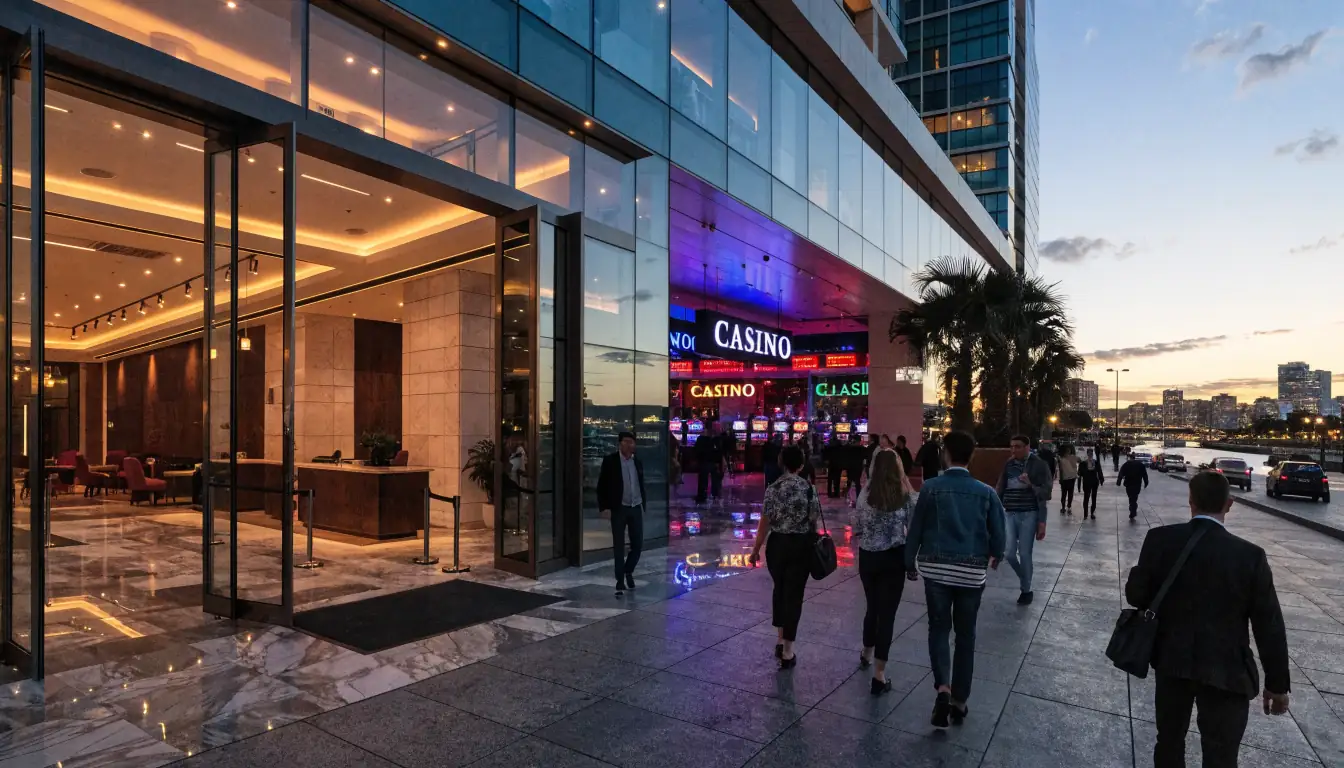
What’s actually on offer
Queensland’s larger casino properties run tiered parking: a self-park structure for general visitors, a smaller valet operation nearer the entrance, and separate short-stay bays for people just dropping in for a meal or a show. The pattern is consistent across the bigger venues — self-park is the default, valet is positioned as the convenience upgrade, and neither is described in much detail on the operator’s own site beyond "available on-site."
Whether parking is free depends on how long a visitor stays and which car park they use. Some structures offer complimentary parking for a set period before charges apply; others tie free parking to spending a minimum amount at the tables, the restaurants, or the hotel. I’ve seen guests get caught out by this more than once — they park expecting no charge, stay past the window, and the ticket at the exit boom gate tells a different story. If a casino’s parking terms aren’t posted clearly near the entry point or on a validation desk, that’s usually deliberate. A vague policy costs the operator nothing and costs the visitor a surprise fee.
Valet: convenience with a catch
Valet parking exists because it removes friction — you hand over the keys, you walk straight in. That’s the pitch, and it’s genuine as far as it goes. What doesn’t get said out loud is that valet queues at peak times, particularly around evening events, can run longer than just parking yourself. The service is built for the flow of the average night, not the exceptional one. On a quiet Tuesday, valet is faster. On a Saturday with a concert on, it isn’t necessarily.
Valet parking may become charged after a free period or if you don’t meet a minimum spend, so check the policy to avoid unexpected fees.
Getting there without a car
Transport links matter more for visitors staying elsewhere and just coming in for the day. Taxi ranks and rideshare pickup zones sit near most main entrances, and larger properties tend to have a dedicated area for this rather than leaving it to street pickup — partly for visitor convenience, partly because a casino doesn’t want a queue of hire cars blocking its main forecourt. Public transport access varies significantly by property and location; some sit close to rail or bus interchanges, others are a longer walk or a short transfer away. This is worth checking against the specific venue rather than assuming a blanket answer, since it differs property to property in ways that aren’t standardised across the state.
Accessibility provisions
Accessible parking bays, ramp access, and lift access to gaming floors are standard at the larger Queensland properties, in line with what’s expected of any public venue of that size. What isn’t standard — or at least isn’t consistently published — is the level of detail on assistance available once inside: whether staff are on hand to guide mobility-impaired visitors from the car park to the floor, for instance. That’s the kind of thing better confirmed by a phone call than assumed from a website.
None of this parking infrastructure changes the numbers behind the industry — gambling losses nationally ran to $31.5 billion in 2022–23, and state gaming taxes remain a meaningful slice of government revenue. Free valet doesn’t offset a bad session at the tables. It just makes the walk in a little easier.
Spa and Wellness Services at Queensland Casinos
The spa attached to a casino resort sells a specific kind of quiet: no poker chips clicking, no floor announcements, just a corridor that smells like eucalyptus and a receptionist who asks about pressure preference instead of loyalty tier. Queensland’s larger casino resorts run day spas as a genuinely separate business line, staffed and rostered independently from the gaming floor, and that separation is deliberate — a guest booking a facial shouldn’t have to walk past a bank of pokies to reach reception.
Treatment menus typically cover the standard resort spread: massage, facials, body treatments, and packages that bundle a few services together for guests staying multiple nights. Some properties extend this into fitness and thermal facilities — saunas, steam rooms, heated pools — positioned as recovery space for guests who spent the previous evening at the tables rather than as an afterthought.
Booking and access
A few practical points hold across most Queensland properties:
- Bookings run separately from casino membership. Spa appointments are usually managed through the resort’s hotel or wellness booking system, not the casino’s rewards program, so a player card doesn’t automatically get priority.
- Hotel guests often get first access to peak slots. Day-trippers can usually book, but weekend mornings and public holidays fill from in-house guests first.
- Packages pair with room rates more often than with gaming spend. Wellness deals are typically bundled into accommodation offers rather than tied to how much time someone spends on the floor.
None of this touches what happens in the gaming areas themselves — that’s a different part of the building, run under different rules, and worth treating as such rather than folding into a spa write-up.
Why the separation matters
I’ve sat in enough resort operations meetings to know why wellness gets its own budget line and its own manager: it’s the part of the property that isn’t regulated as gambling, isn’t subject to the same reporting, and gives management something to market that has nothing to do with odds. A "wellness experience" is real when the therapist is qualified and the facility is maintained — it’s just worth noticing that the phrase also does useful work for a venue whose main revenue line is games of chance.
One thing worth being plain about: none of this extends online. There’s no equivalent of a casino spa package sitting inside a real-money slots or table-games site aimed at Australian players — offering those games to residents here isn’t something a licensed operator can do, regardless of what the loyalty program looks like. Physical resort, physical spa. Nothing digital attached.
Spa services are booked separately from casino loyalty programmes and are not available online for Australian residents.
Contact Points – Bars, Baccarat, Concerts and Events
Finding a phone number for a Queensland casino sounds trivial until you actually try it. Most floors run a single switchboard, and whoever answers routes the call by ear — "gaming enquiries" gets read out from a script, "events" gets transferred twice, and if you’re asking about a specific baccarat table’s minimum, you’re usually put through to the pit manager’s desk rather than told anything on the spot. That’s not incompetence. It’s how a floor with dozens of departments avoids giving out information that changes by the hour.
Gaming tables — baccarat, craps and the rest
Table limits and availability aren’t published on a fixed schedule; they shift with the night, the crowd, and sometimes the property’s own risk appetite for that shift. If a listing promises a fixed baccarat minimum "for reference," treat it as a starting point, not a booking. The only way I’ve found to get a real answer is calling the main line and asking for the pit directly — front-of-house staff rarely know table counts off the top of their head.
Craps tables are less consistently staffed across Queensland venues than baccarat or blackjack, so confirming a table is actually open before making the trip saves a wasted drive more often than any other single check.
Bars
Casino bars sit inside the gaming floor rather than as standalone venues, which means their listed "contact number" is almost always the general switchboard, not a direct line. Staff at the bar itself can’t take bookings for private functions — that goes through the events team, a separate department entirely, even when the bar and the event space share a wall.
Concerts and events
Concert and event bookings run through a dedicated events desk, separate from both gaming and accommodation reservations. This is worth knowing because calling the main casino number and asking about a show often results in a transfer, a hold, and then a second transfer — the switchboard doesn’t default to events unless you ask for it by name. Ticketing, seating and lineup details are handled entirely outside the gaming side of the business, so questions about table limits or bar hours won’t get answered by the same person who sells you a concert seat.
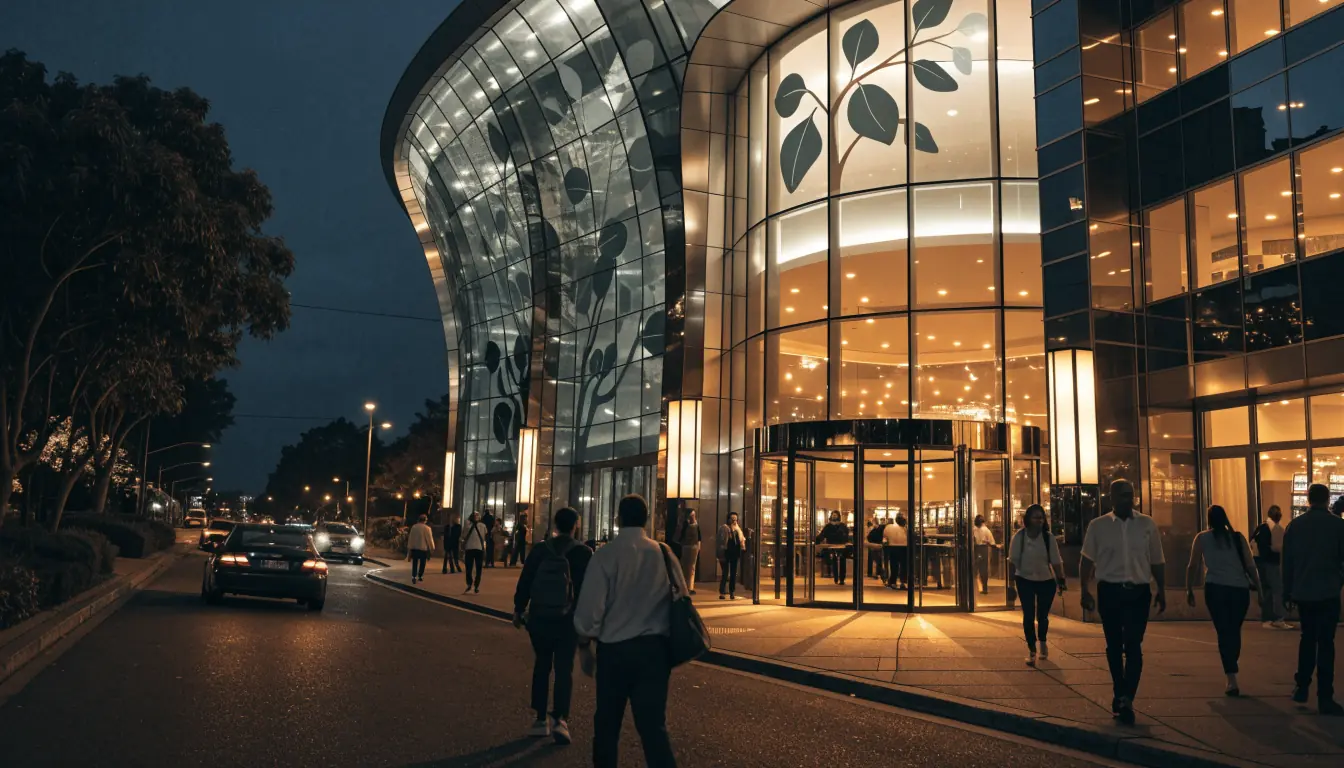
What we actually check before listing a number
Reviewers here don’t just publish whatever’s printed on a casino’s own site — those go stale. Before a contact number or table description makes it into a ranking, someone on our side has called it, and separately, someone has funded a real account with at least A$300 to test how the operator behaves once money is involved, gaming floor or otherwise. A phone number that rings out, or a "24/7 concierge" that isn’t, gets flagged rather than repeated.
One thing worth stating plainly: none of this — bars, tables, events — has anything to do with placing a bet online through the casino’s own site. The Interactive Gambling Act 2001 is the reason there’s no "log in and play baccarat from home" option tied to these venues; the law governs the online side federally, separate from whatever happens on the physical floor. Access to any of it, on-site or through promotional offers tied to it, requires being 18 or over.
Call ahead. Ask twice if the first answer sounds rehearsed.
Casino Operations – Opening Hours, Development Plans and Events
Opening hours for Queensland’s land-based venues are set by the individual operator under conditions attached to its state casino licence, not by a single national rulebook. That’s worth saying plainly, because people searching for "queensland casino open" or asking whether a property has closed and reopened often assume there’s one regulator to check with. There isn’t. Australia has no single overarching statute or single overarching gambling authority — oversight is split between state and territory bodies and, federally, the Australian Communications and Media Authority, which enforces the Interactive Gambling Act 2001. ACMA’s remit is online gambling, though, not the trading hours of a physical gaming floor in Brisbane or on the Gold Coast. For that, the relevant state licensing terms apply, and they vary by venue and by jurisdiction.
Regulatory split
Queensland casinos are governed by state licences for on‑site activities and by the federal ACMA for online gambling.
This matters more than it sounds. I’ve seen operators lean on the phrase "state-regulated" like it means something uniform. It doesn’t. Two casinos a few hours apart by road can operate under materially different conditions because their licences were negotiated separately, at different times, with different development obligations attached.
Development and reopening cycles
Land-based casinos periodically close sections — sometimes entire floors — for refurbishment, expansion, or compliance-driven upgrades. Reopening dates get pushed. Renovation timelines slip. None of that is unusual in the industry, and none of it is published in a way that’s consistent across venues. If a property advertises a "grand reopening," the terms of what’s actually reopening — one gaming room versus the whole complex — aren’t always clear from the press release alone. Worth checking directly with the venue rather than assuming.
Employment tied to these developments follows the same pattern: expansion projects generate hiring rounds, but staffing plans are set by the operator and aren’t tracked by any central authority either.
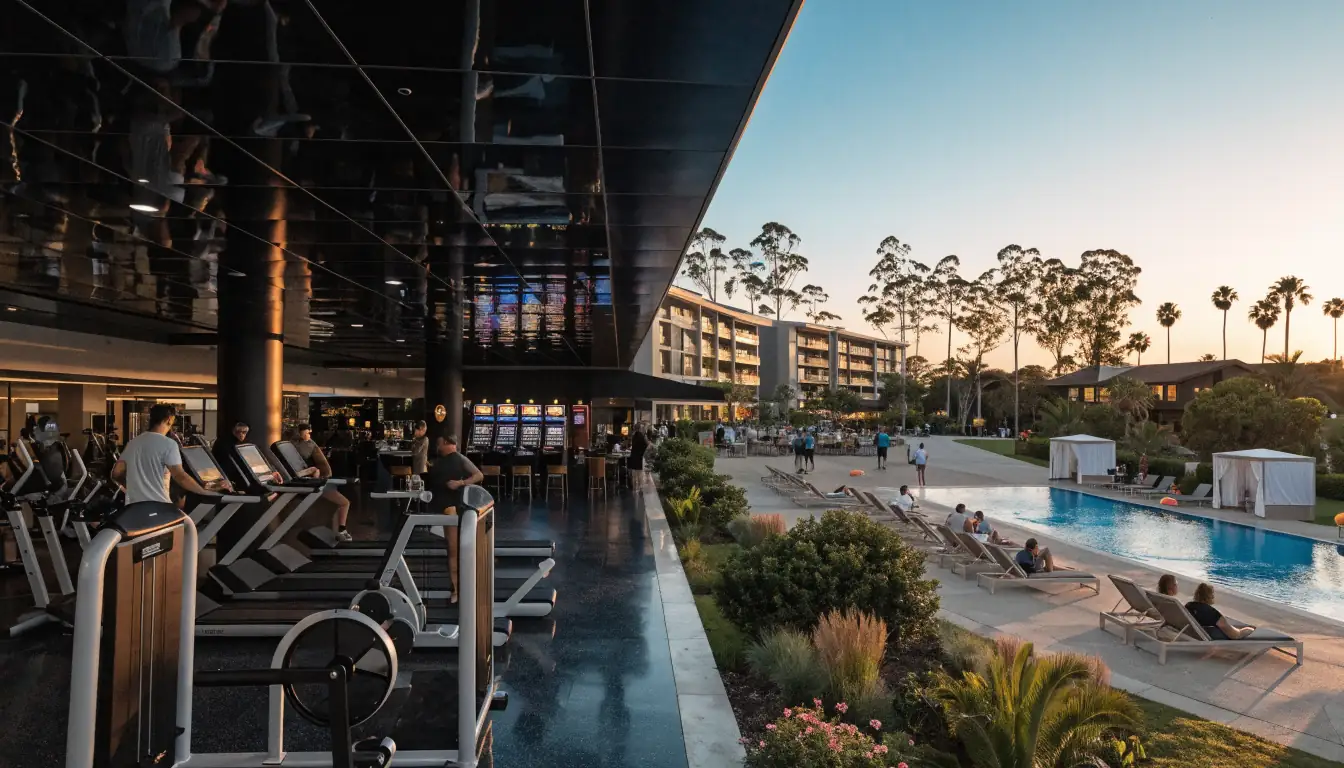
Events and entertainment scheduling
Concerts, live entertainment, and themed gaming nights are booked venue by venue, on their own calendars. There’s no unified events register across Queensland casinos — each property runs its own listings, updated on its own schedule. That’s a structural gap, not an oversight on anyone’s part; it’s simply how a fragmented regulatory system produces fragmented information.
Where rankings fit in
None of this — opening hours, refurbishment timelines, event calendars — factors into how we score online casino operators elsewhere on this site. That ranking runs on a separate weekly formula: bonus generosity carries the heaviest weight, followed by payout reliability, then game library breadth, customer support responsiveness, and user-submitted feedback. Physical venue operations and online operator rankings are two different systems entirely, and it’s worth not conflating them just because both sit under the word "casino."
For anything time-sensitive — hours, reopening status, tonight’s entertainment lineup — the venue itself remains the only reliable source. Nobody else is publishing it in real time.
How Casino Rankings Are Calculated – Methodology
Since online casinos operating in Queensland fall under offshore licences rather than local regulation, it pays to check each site’s licensing, deposit terms, and bonus structure before signing up.
License: Curacao – Antillephone N.V. (Versus Odds B.V.) · Bonus: up to EUR 2,000 across 5 deposits + 200 free spins · Min. deposit: EUR 20 Licensed under Curacao’s Antillephone framework, this operator offers a multi-deposit welcome package worth up to EUR 2,000 plus 200 free spins, with a EUR 20 minimum deposit to get started.
Bonus: up to A$750 + 50 jackpot spins, 35x wagering · Payout speed: crypto ~90 minutes, fiat 1-5 days · Min. deposit: A$30 Offers up to A$750 plus 50 jackpot spins with 35x wagering, and stands out for fast crypto payouts around 90 minutes alongside a low A$30 minimum deposit.
License: Curacao eGaming (Hollycorn N.V., since 2017) · Bonus: 225% up to A$1,540 + 600 free spins across 4 deposits, 20x wagering · Min. deposit: A$20-30 (depends on the offer) Curacao-licensed since 2017 under Hollycorn N.V., this operator spreads a 225% bonus worth up to A$1,540 plus 600 free spins across four deposits with 20x wagering.
Bonus: up to A$7,500 + 550 free spins across 10 deposits, 50x wagering · Payout speed: crypto under 1 hour, PayID 1-3 business days · Min. deposit: A$20 (A$30 to qualify for the bonus) A substantial welcome offer of up to A$7,500 plus 550 free spins across ten deposits is backed by quick crypto withdrawals under an hour, though the 50x wagering requirement is on the higher side.
License: Curacao Gaming Control Board · Bonus: up to A$5,000 + 400 free spins Curacao Gaming Control Board licensed, this operator offers a sizeable bonus package of up to A$5,000 plus 400 free spins.
License: Curacao Gaming Control Board OGL/2023/174/0082 (Dama N.V.) · Bonus: up to A$5,000 + 300 free spins across 4 deposits Licensed by the Curacao Gaming Control Board under Dama N.V., it provides a welcome bonus of up to A$5,000 plus 300 free spins spread over four deposits.
License: Curacao · Bonus: 100% up to A$500 + 200 free spins, 10x wagering · Payout speed: crypto 30-60 minutes, fiat 1-5 days · Min. deposit: A$10 Curacao-licensed with an accessible A$10 minimum deposit, this operator pairs a 100% bonus up to A$500 plus 200 free spins with a manageable 10x wagering requirement and fast crypto payouts.
License: Curacao eGaming OGL/2023/174/0082 (Dama N.V.) · Bonus: up to A$10,000 + 500 free spins across 4 deposits · Min. deposit: A$15 Operating under a Curacao eGaming licence via Dama N.V., it offers one of the larger bonus packages at up to A$10,000 plus 500 free spins across four deposits, with a low A$15 minimum deposit.
License: Curacao OGL/2024/1335/0780 · Bonus: up to A$1,000 + 150 free spins, wager-free · Min. deposit: EUR 20 Licensed in Curacao, this operator’s bonus of up to A$1,000 plus 150 free spins is notable for being wager-free, requiring a EUR 20 minimum deposit.
License: Curacao Gaming Control Board OGL/2023/176/0095 (Hollycorn N.V.) · Bonus: up to A$11,000 + 300 free spins (code NEO100) Licensed by the Curacao Gaming Control Board under Hollycorn N.V., it features one of the largest bonuses on this list at up to A$11,000 plus 300 free spins via a dedicated promo code.
Every table in this guide gets rebuilt weekly, not left to sit. A property that scores well on a Tuesday can drop by the following review cycle if a payout slows down or a support queue backs up. That’s the point of doing it on a fixed schedule instead of once and forgetting about it.
The formula behind it weights five factors:
| Factor | Weight |
|---|---|
| Bonus generosity | 30% |
| Payout reliability | 25% |
| Game library breadth | 20% |
| Customer support responsiveness | 15% |
| User-submitted feedback | 10% |
Bonus generosity carries the heaviest weight, which sounds generous until you notice what it actually measures. It’s not the headline number on a landing page — it’s what’s left after wagering requirements, game restrictions and expiry windows are factored in. A "welcome bonus" advertised big and hedged small scores lower here than one advertised modestly and paid out as described.
Payout reliability is the second-largest slice, and it’s the one operators talk about least. It covers how consistently withdrawals clear once identity verification is done, not just whether a site claims to offer fast cashouts.
Game library breadth looks at the spread across pokies, table games and live formats, and at which providers are actually behind them — names like Pragmatic Play, Playtech and BGaming carry more weight than generic in-house titles nobody can verify.
Customer support responsiveness is tested directly rather than taken on faith. Response time and whether the answer actually resolves something.
User-submitted feedback is the smallest weight but the hardest to fake — it’s the only input that comes from people with no stake in how the ranking looks.
None of this changes the legal position underneath it. These rankings sit outside the reach of Queensland’s land-based licensing entirely, because no Australian resident can lawfully be offered real-money online casino gambling from a domestic operator — that market doesn’t exist to rank. What gets scored here are the operational and service factors that would matter to anyone comparing options, presented with the same weighting, checked on the same schedule.
Nobody buys a better position in this table. Rank is earned weekly or it isn’t kept.
Is online gambling legal in Australia?
Online sports betting is legal under state/territory licences, but online casino games, poker and in-play betting are prohibited federally under the Interactive Gambling Act 2001, enforced by ACMA. It is not illegal for individual Australians to play at offshore-licensed online casinos — the law targets operators, not players.
Are crypto casinos legal in Australia in 2026?
No domestically licensed real-money online casinos exist in Australia — crypto or otherwise — and it is impossible to obtain a domestic online casino licence. Playing at an offshore-licensed crypto casino is not illegal for the individual player, since the Interactive Gambling Act 2001 targets operators rather than players.
What are the best online casinos in Australia for 2026?
There are no domestically licensed real-money online casino operators available to Australian players, since online casino games are prohibited under the Interactive Gambling Act 2001. Only online sports betting is legally licensed at the state and territory level.