
Best Casino in Victoria 2026: Hotels, Dining and Facilities
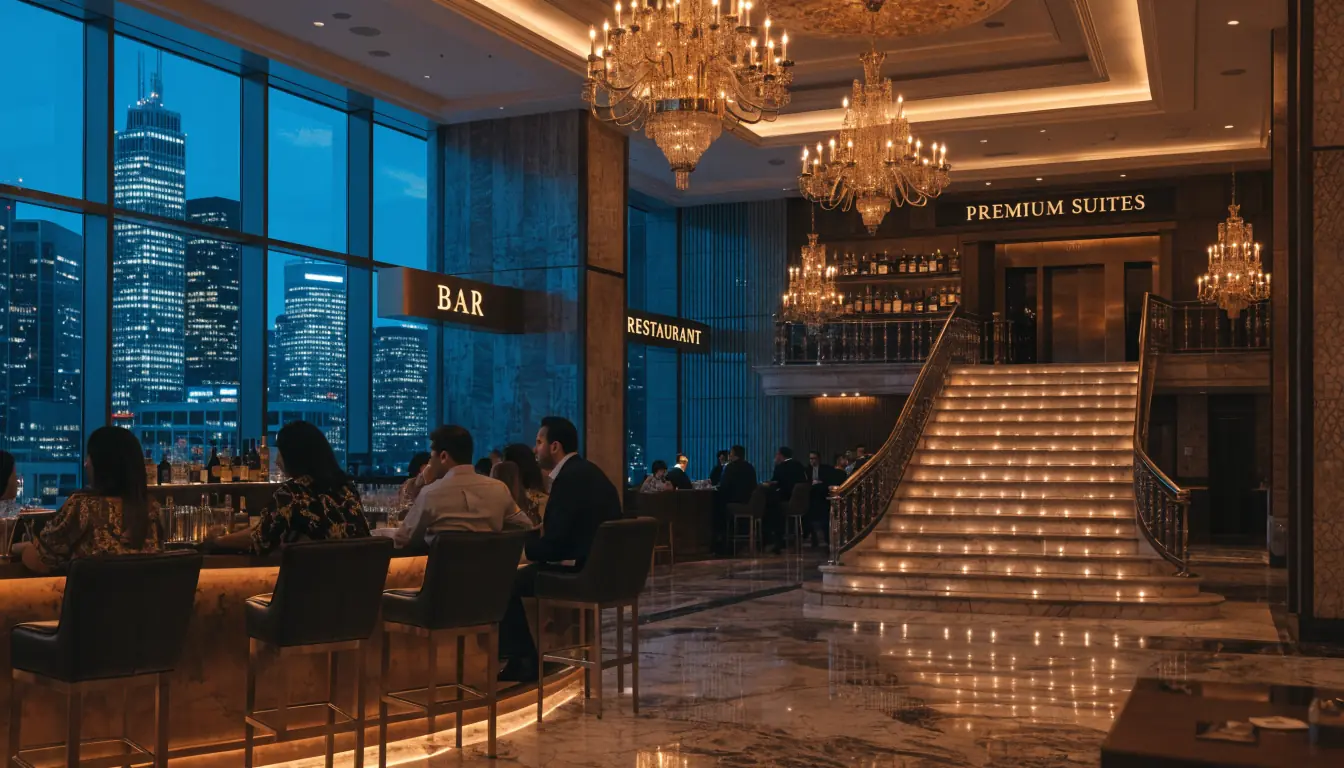
Table of Contents
- Hotel Options at Victoria Casino
- Poker Room and Gaming Facilities
- Dining: Buffet and Breakfast Options
- Parking and Accessibility
- Accommodation Options Near Victoria Casino
- Contact Information and Customer Support
- Opening Hours and Seasonal Operations
- Wellness and Spa Services
- Restaurant Choices Within the Casino
- Food Court and Pool Area
Hotel Options at Victoria Casino
I’ve walked through enough casino hotel lobbies to know the pitch by heart: "luxury suites," "premium accommodation," "world-class comfort." What that language usually means is a room with better soundproofing than the standard hotel down the road, because the person in the next suite got in at 4am and the casino would rather you didn’t hear it.
That’s the honest way to think about hotel rooms attached to a casino floor. They’re not a separate business trying to earn your loyalty on their own merits. They’re an extension of the gaming floor, priced and positioned to keep you close to it. Understanding that changes what you should actually look for when comparing options.
Room Types and What They’re Really For
Casino hotels typically run a tiered structure: standard rooms, then a step up to "deluxe" or "executive" categories, then suites at the top. The jump in price between tiers is rarely about square metreage alone — it’s about proximity. Higher floors, quieter wings, direct lift access to the gaming areas without cutting through retail or a queue. If you’re booking to gamble, that convenience has real value. If you’re booking as a couple wanting a weekend away from screens and noise, the cheapest room on a low floor near the car park exit often serves you better, and nobody at the front desk will volunteer that.
Since Victoria’s online casino options are all offshore-licensed, it helps to compare what each site actually offers before you sign up, from welcome bonuses to deposit limits and payout speed.
License: Curacao – Antillephone N.V. (Versus Odds B.V.) · Bonus: up to EUR 2,000 across 5 deposits + 200 free spins · Min. deposit: EUR 20 Licensed under Curacao’s Antillephone framework, this operator spreads its welcome package across five deposits, pairing bonus funds up to EUR 2,000 with 200 free spins for a relatively low EUR 20 minimum deposit.
Bonus: up to A$750 + 50 jackpot spins, 35x wagering · Payout speed: crypto ~90 minutes, fiat 1-5 days · Min. deposit: A$30 Offers a welcome bonus up to A$750 plus 50 jackpot spins with 35x wagering, and stands out for fast crypto payouts of around 90 minutes alongside a low A$30 minimum deposit.
License: Curacao eGaming (Hollycorn N.V., since 2017) · Bonus: 225% up to A$1,540 + 600 free spins across 4 deposits, 20x wagering · Min. deposit: A$20-30 (depends on the offer) Operating under a Curacao eGaming licence held since 2017, this site spreads a 225% match bonus worth up to A$1,540 plus 600 free spins across four deposits, with a manageable 20x wagering requirement.
Bonus: up to A$7,500 + 550 free spins across 10 deposits, 50x wagering · Payout speed: crypto under 1 hour, PayID 1-3 business days · Min. deposit: A$20 (A$30 to qualify for the bonus) A high-value welcome offer of up to A$7,500 plus 550 free spins spread over ten deposits headlines this operator, backed by crypto payouts under an hour and PayID withdrawals within a few business days.
License: Curacao Gaming Control Board · Bonus: up to A$5,000 + 400 free spins Licensed by the Curacao Gaming Control Board, this site offers a sizeable welcome package of up to A$5,000 plus 400 free spins.
License: Curacao Gaming Control Board OGL/2023/174/0082 (Dama N.V.) · Bonus: up to A$5,000 + 300 free spins across 4 deposits Operating under a Curacao Gaming Control Board licence via Dama N.V., this operator spreads a bonus of up to A$5,000 plus 300 free spins across four deposits.
License: Curacao · Bonus: 100% up to A$500 + 200 free spins, 10x wagering · Payout speed: crypto 30-60 minutes, fiat 1-5 days · Min. deposit: A$10 A Curacao-licensed site with an accessible entry point, offering a 100% bonus up to A$500 plus 200 free spins with just 10x wagering and a low A$10 minimum deposit, plus fast crypto withdrawals of 30-60 minutes.
License: Curacao eGaming OGL/2023/174/0082 (Dama N.V.) · Bonus: up to A$10,000 + 500 free spins across 4 deposits · Min. deposit: A$15 Licensed under Curacao eGaming through Dama N.V., this operator offers one of the larger welcome packages here, up to A$10,000 plus 500 free spins spread over four deposits, with a low A$15 minimum deposit.
License: Curacao OGL/2024/1335/0780 · Bonus: up to A$1,000 + 150 free spins, wager-free · Min. deposit: EUR 20 Holding a Curacao licence, this site offers a wager-free bonus of up to A$1,000 plus 150 free spins, appealing to players who prefer bonuses without wagering conditions.
License: Curacao Gaming Control Board OGL/2023/176/0095 (Hollycorn N.V.) · Bonus: up to A$11,000 + 300 free spins (code NEO100) Licensed by the Curacao Gaming Control Board via Hollycorn N.V., this operator features one of the largest bonuses on this list, up to A$11,000 plus 300 free spins, unlocked with a specific bonus code.
Suites get marketed hardest because the margin on them is highest. A "high-roller" or "spa suite" designation usually bundles in amenities that exist elsewhere in the building anyway — you’re paying for the label as much as the layout.
Deals and Packages
Package deals bundling a room with dining credit, show tickets or gaming vouchers are common in this segment, and they can genuinely work in your favour if you were going to spend that money regardless. The trap is treating the bundled voucher as "free" when it’s really a discount conditional on you spending more time — and more money — on site than you’d planned. Read what the voucher actually restricts before counting it as savings.
Given that close to three in four Australian adults gambled in the past year, hotel-and-play packages aren’t a niche offer aimed at a small segment of guests — they’re built for the mainstream visitor, which is worth remembering when a deal is presented as something exclusive or limited.
Booking Direct vs Third Party
Booking through the casino’s own site sometimes unlocks perks — resort credit, late checkout, occasional room upgrades — that third-party booking platforms won’t pass on. But the casino’s own rates aren’t always the lowest headline price. Worth checking both before assuming direct is automatically better; it depends on what you value, the discount or the extras.
How This Differs From Everything Else On Site
It’s worth being clear about what the hotel offering is not. It’s not the poker room, it’s not the buffet, and it’s not the wellness facilities — those get their own treatment further down. The hotel exists as infrastructure to keep you on-property longer, and it does that job well if you go in understanding the incentive behind it.
None of this makes the accommodation bad value. Rooms attached to a casino are frequently well maintained, well staffed, and genuinely comfortable — the property has an interest in you sleeping well enough to come back down to the floor the next morning. The gambling industry in Australia moves enormous sums each year, and hospitality margins on hotel rooms are a small, steady slice of a much larger machine. That scale is exactly why the rooms tend to be kept in good condition: it’s cheap insurance against a guest who has a bad night and blames the mattress.
Book the room for the room. Not the story attached to it.
Compare the base rate against a standalone hotel nearby before deciding the on-site option is convenient enough to justify any premium — sometimes it is, sometimes the fifteen-minute walk saves real money with no meaningful loss of comfort.
Package deals
Bundled vouchers often appear free but are just discounts that require you to spend more on the gaming floor, which can erode any savings.
Poker Room and Gaming Facilities
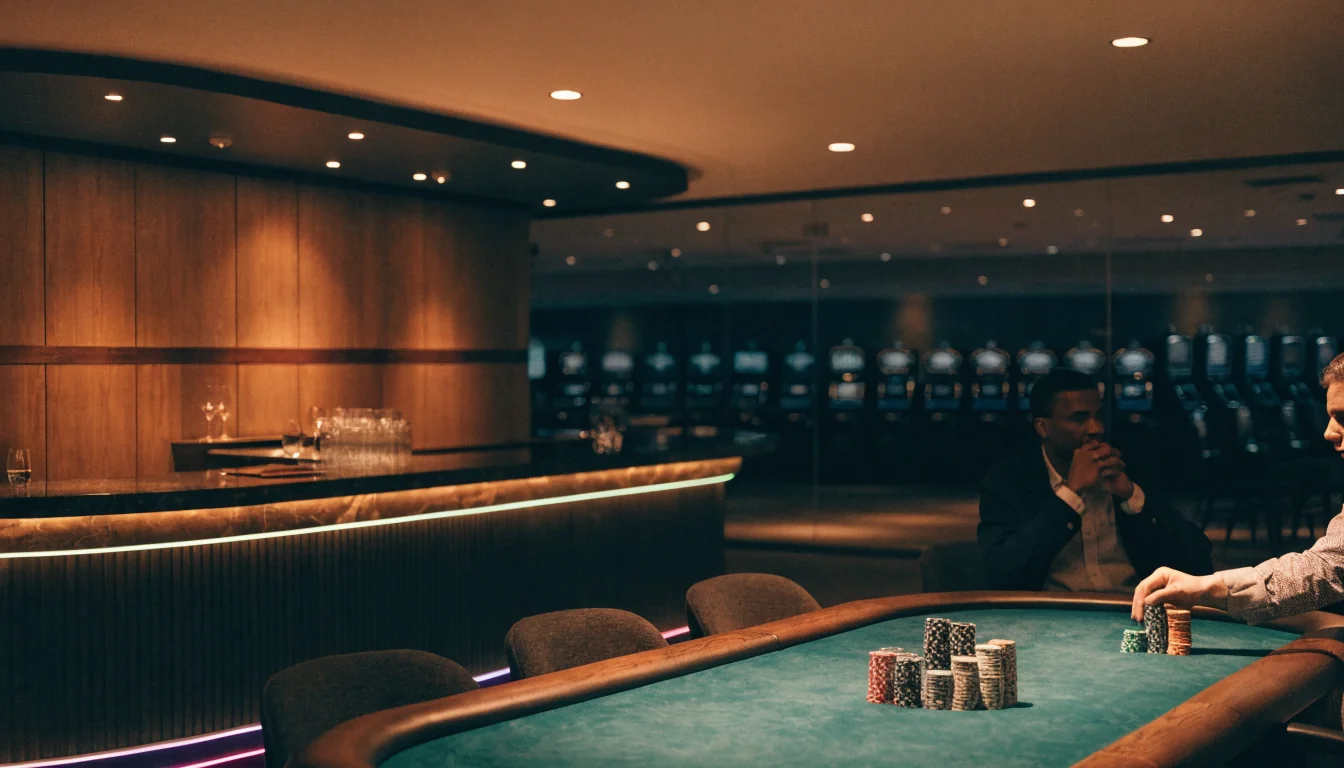
A poker room lives or dies on two things: whether the games actually run when the website says they run, and whether the staff running them know the difference between a misdeal and a dealer who just wants the hand over with. I’ve sat at rooms that promised a full schedule and delivered a half-empty room with one table limping along. That’s the gap between a listing and a floor.
The gaming areas at a Victoria casino typically stretch well past the pokies floor most visitors picture first. Poker rooms sit apart from the general gaming floor, usually with their own entrance, their own dealers, and their own rhythm — cash games running continuously, tournament fields building at scheduled start times, and a rail of regulars who know the room better than the staff rotating through it. Tournament structures, buy-in tiers, and blind schedules are the kind of detail that changes week to week, so the only reliable source is the room’s own posted schedule on the day — not last month’s promotional flyer, and not a listing that hasn’t been checked recently.
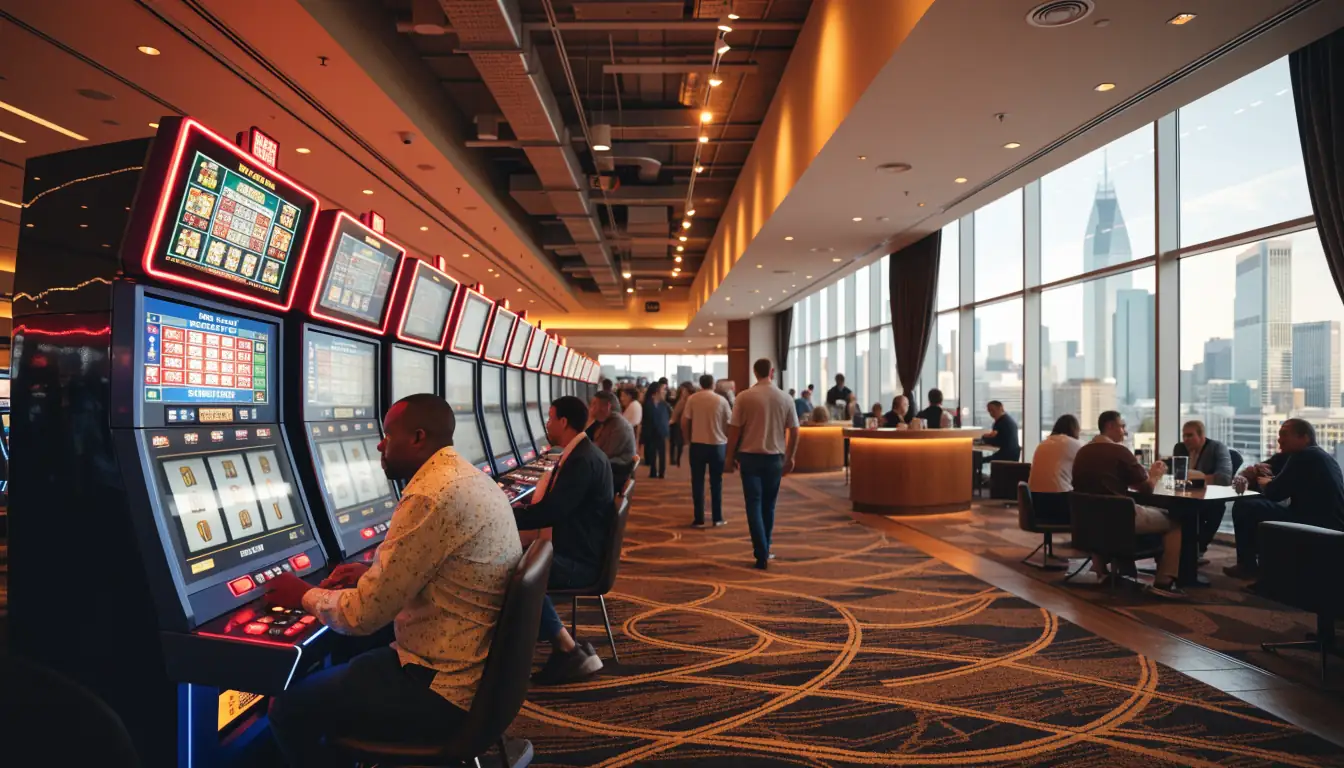
What separates a gaming floor from a room
The wider gaming facilities — table games, pokies banks, electronic terminals — operate on a different logic than the poker room. Table games are dealer-paced and continuous; poker is player-paced and structured around the clock and the blinds. A casino sports bar, where one exists, adds another layer entirely: screens, odds boards, and a service style built around watching events rather than playing them. None of that overlaps with the hotel rooms or the dining halls covered elsewhere on this page — different staff, different opening rhythm, different reason to walk in.
Reading a poker room before you sit down
A few things worth checking before committing time to a session, based on what actually separates a well-run room from one coasting on reputation:
- Table count against advertised schedule. A room listing six tables on its website that regularly spreads two is telling you something about demand, not about the venue’s honesty — but it still changes what you’ll find on a Tuesday night.
- Tournament structure clarity. Rooms that post blind levels, starting stacks, and late-registration windows in advance are easier to plan around than ones that announce structures at the table.
- Dealer rotation and pace. A room where dealers change every half hour tends to keep a more consistent pace than one running dealers long shifts without breaks.
- How disputes get handled. Ask how a room resolves a misdeal or a chip discrepancy before it happens to you, not after.
None of this is exclusive to poker rooms — it’s the same logic that applies further down this page when weighing ranking criteria for online operators, where payout reliability and customer support responsiveness carry real weight in how a listing gets scored. A poker room’s floor manager is, in a sense, doing the same job as a support desk: absorbing the moment when something doesn’t go the way the schedule promised.
The wider gaming floor
Beyond the poker room, the general gaming facilities usually include a mix of pokies, table games, and — where the venue supports it — a sports bar zone for wagering on racing and sport, kept administratively and physically separate from any casino-style gaming under Australia’s regulatory split between state-licensed venue gambling and the federal restrictions on online casino products. That separation isn’t cosmetic. It reflects how the two are regulated, taxed, and reported. Losses across all forms of gambling in Australia ran into the tens of billions in a single financial year — a scale that puts a single poker room’s nightly turnover in perspective. It’s a big room in a much bigger industry.
Check the actual table count and tournament schedule on the day of your visit; listings can be outdated.
None of the gaming floor details above tell you anything about where you’ll sleep or eat after a session — that’s covered in its own place on this page. What the gaming areas do share with every other section here is the same test: does what’s advertised match what’s on the floor when you actually walk in. That’s the only ranking that matters at the table.
Dining: Buffet and Breakfast Options
A buffet spread looks generous from the doorway. Trays under heat lamps, a carving station, someone refilling the juice dispenser. What that arrangement is actually built for is throughput — moving a large number of people through a meal quickly, at a fixed price, with minimal staff attention per table. That’s not a criticism. It’s just worth knowing what you’re paying for before you sit down.
Breakfast service at a casino resort runs on a different clock than the gaming floor. Doors open early, well before the pokies see any real traffic, because the buffet’s morning crowd is mostly hotel guests and locals treating it as a normal breakfast out rather than a stop between betting sessions. That timing gap between "casino open" and "buffet open" catches people who assume the whole building operates on one schedule. It doesn’t.

What separates the buffet from the restaurants
The buffet trades choice-of-dish for speed and volume. You walk past stations rather than order from a menu, and the price is generally set per person rather than per item. That works well for groups with different tastes at one table, or for anyone who wants to eat and get back to a poker tournament without waiting on a kitchen ticket.
The à-la-carte restaurants inside the casino are a separate offering entirely, with their own kitchens, service style and pricing — covered on their own further in this guide. The distinction matters because "casino dining" as a phrase gets used loosely to cover both, and a visitor expecting a sit-down meal with table service can end up in a buffet line instead, or the reverse.
Breakfast specifically
Breakfast at the buffet tends to be the most consistent meal of the three, mainly because the format suits it — eggs, pastries, fruit, and hot items held at temperature don’t lose much between the kitchen and the table the way a plated dinner would. It’s the meal where the buffet format has the fewest trade-offs.
Where the food court fits into this is a matter of format, not quality — quick-service counters aimed at a fast bite between sessions rather than a sit-down meal, and that’s its own section further on.
Fast, high‑capacity dining ideal for quick meals between gaming sessions.
Full‑service meals with table service and a curated menu.
Grab‑and‑go options for a brief break without committing to a sit‑down experience.
Cost, in context
There’s no published per-meal figure worth quoting here, and inventing one would be worse than leaving the gap. What’s known is broader: Australians’ average gambling losses ran to AUD 1,200 per capita against average bets of AUD 9,885 in the 2020–2021 financial year, and gambling revenue made up 7.7% of state and territory tax revenue as far back as 2015–16. Dining is a small line item against numbers like that. Most operators price food to keep people on the floor, not to make a margin off the buffet itself — which is one reason meal deals often get bundled with loyalty or rewards program tiers rather than sold standalone.
That bundling is worth watching for. A "free breakfast" attached to a rewards tier is a marketing hook as much as a perk, and the tier thresholds that unlock it are set by the operator, not disclosed as a fixed industry standard. I’ve seen the same offer marketed as a headline benefit in one season and quietly folded into a paid add-on the next, with no announcement either way — just a different card at the loyalty desk.
Casual dining staff, briefly
Buffet and breakfast service is typically run by a different rostering pool than the restaurant floor — casual and part-time positions doing food replenishment, tray service and cleardown rather than table service. Anyone looking into work at a casino resort will find these roles listed separately from restaurant or gaming positions, with their own hours and pay structure. Worth checking the specific listing rather than assuming "casino job" means one thing.
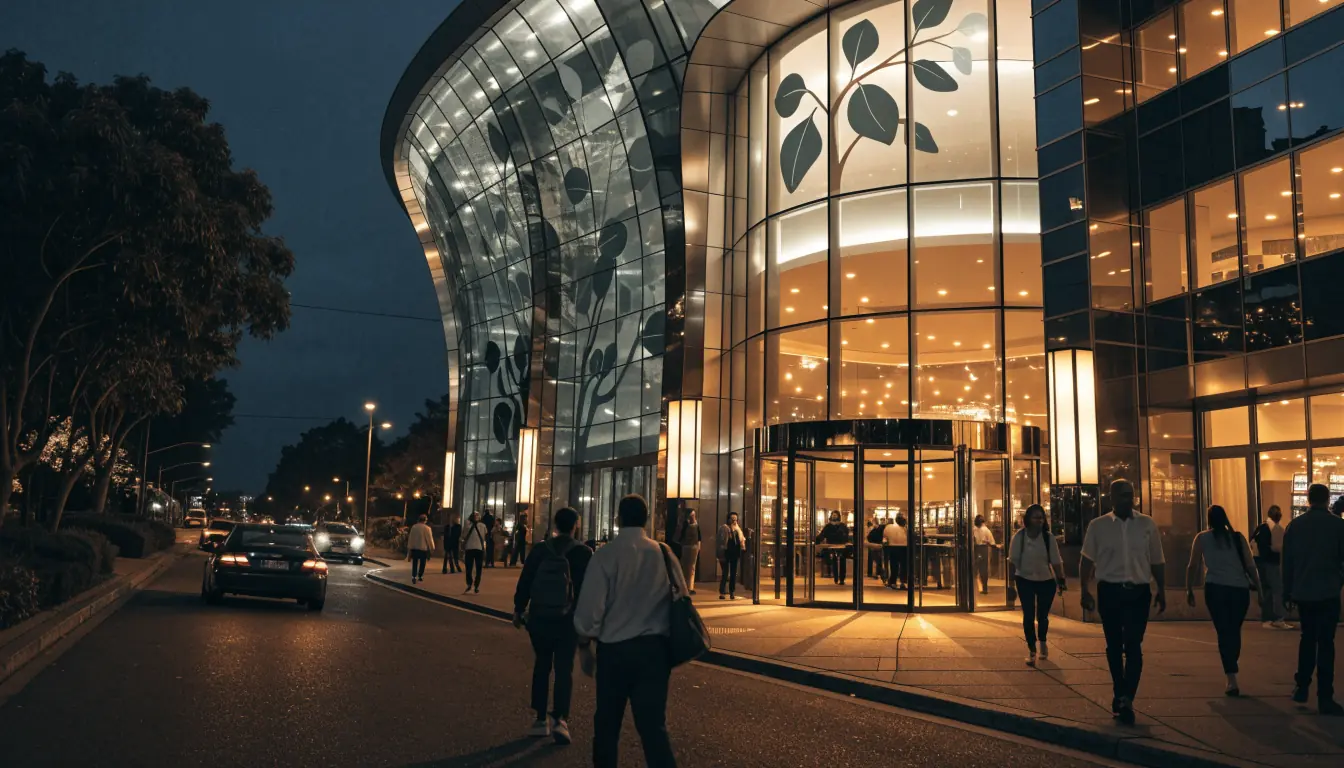
The buffet does one job well: feed a lot of people on a schedule. It’s not trying to be the restaurant next door, and it shouldn’t be judged as if it were.
Parking and Accessibility
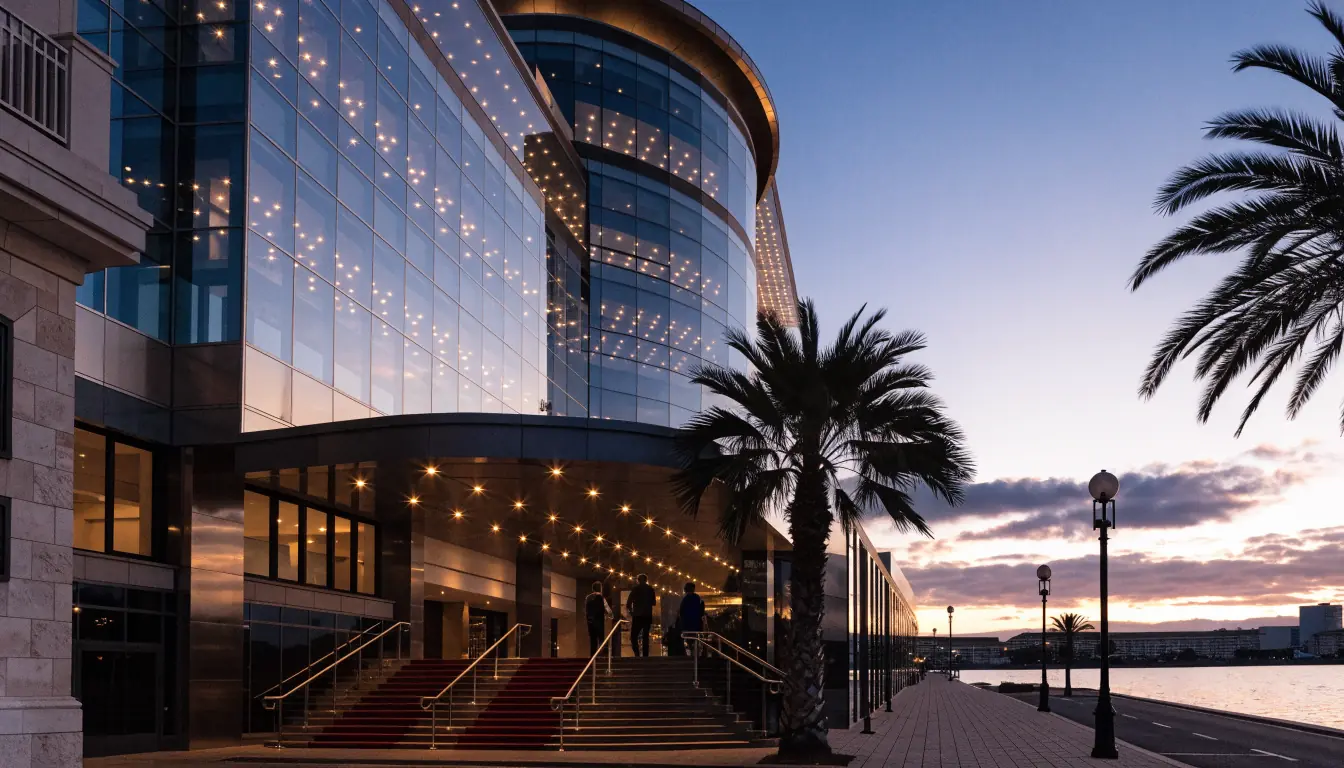
Parking gets treated as an afterthought in most casino write-ups, wedged into a sentence about "convenient access" and left there. It shouldn’t be. Anyone who has circled a multi-storey structure looking for a spot on a Friday night, then walked fifteen minutes to the entrance in the rain, knows that getting into the building is part of the experience, not a footnote before it.
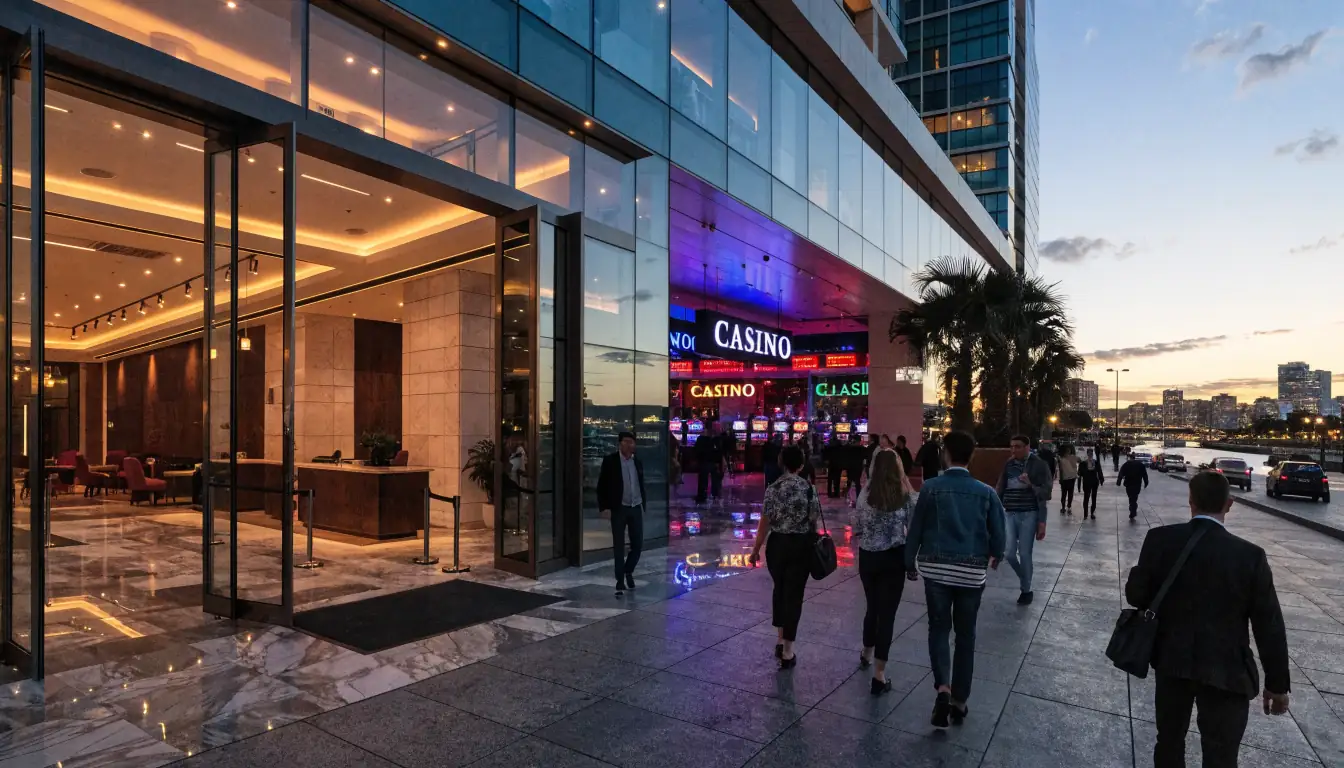
A casino this size runs several parking tiers rather than one lot. There’s the multi-level structure for general visitors, a separate area closer to the entrance for those willing to pay for the shorter walk, and a drop-off zone at the front doors for taxis, rideshares and anyone being dropped off by someone who isn’t staying. The drop-off point matters more than it sounds — with 38% of Australian adults gambling at least once a week, a fast, well-marked place to be let off and picked up isn’t a luxury feature, it’s basic traffic management for a venue that sees regular, frequent foot traffic rather than occasional visits.
Valet Service
Valet parking exists as its own line item, separate from the general structure. Handing the keys over at the door and collecting the car at the same spot later saves the walk, which matters more on a cold night or when carrying anything — luggage, if staying at the hotel, or takeaway from one of the dining areas. It’s billed as a convenience. In practice it’s also a queue management tool: fewer cars circling the entrance looking for a space means a calmer drop-off zone for everyone else.
- Arrive early to secure a spot in the general parking tier.
- Use the drop‑off zone for quick exits.
- Assume all parking is free; premium spots may carry a fee.
- Ignore accessible parking locations if you need them.
Accessibility Features
Accessible parking bays sit close to the main entrances rather than scattered through the structure, which sounds obvious until you’ve been in a building where it isn’t the case. Ramped access, lifts between parking levels and the gaming floor, and clear signage for accessible routes are the kind of details that don’t show up in marketing photos but decide whether a visit is workable at all for someone using a wheelchair or with limited mobility. The gap between "accessible" written on a website and accessible in practice is usually measured in
Accommodation Options Near Victoria Casino
Not every visitor wants to stay where they play. Some prefer a room they can walk away to, somewhere the carpet doesn’t have a pattern designed to keep you awake and alert. That preference has built an entire secondary market around every major casino precinct, and Victoria is no exception.
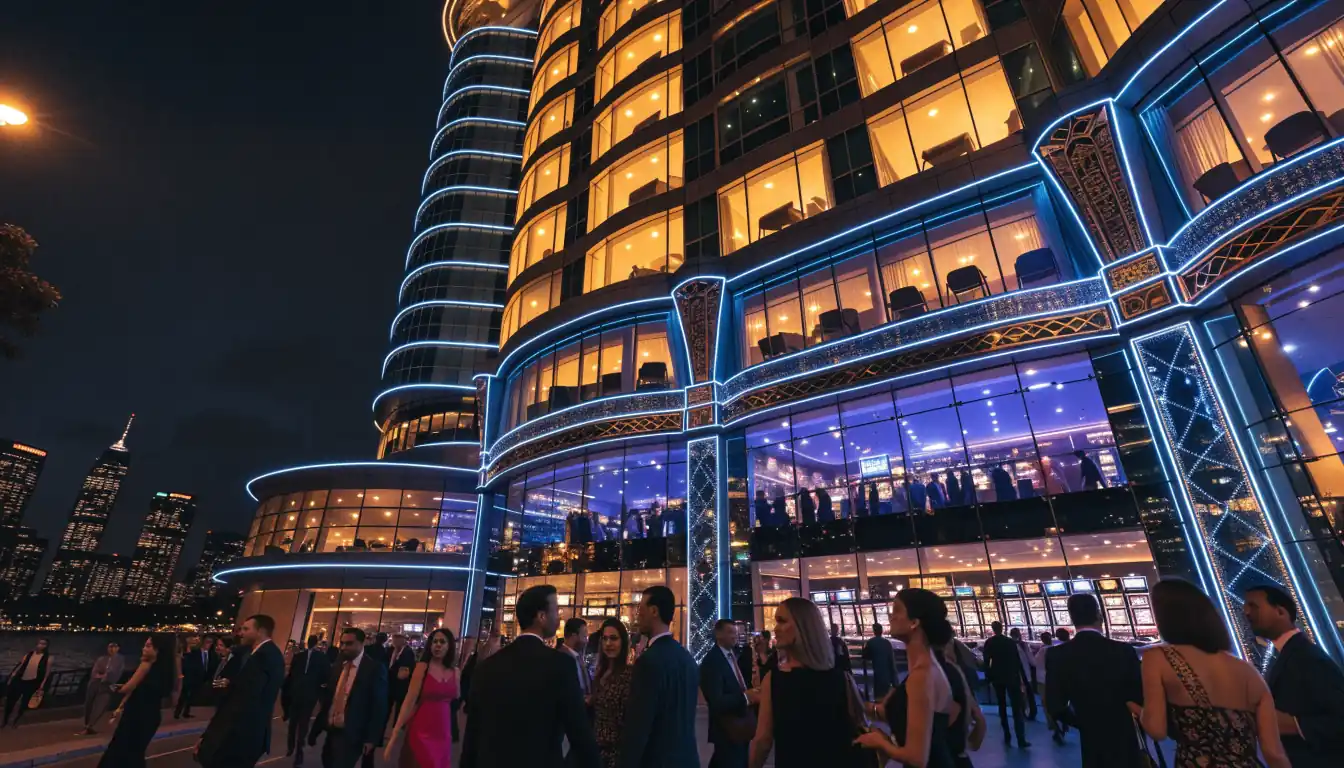
The area around the casino carries the usual spread you’d expect near a large entertainment venue: mid-range chain hotels within a short walk, serviced apartments aimed at longer stays, and a handful of boutique options that trade proximity for character. None of these are affiliated with the casino itself, and that’s worth sitting with for a second — it means no shared loyalty points, no room-charge privileges at the gaming floor, none of the small conveniences that come from staying under the same roof as the tables. What it does mean is a bit more control over price and quiet.
Why people choose to stay off-site
The reasoning tends to fall into a few camps:
- Budget flexibility. Independent hotels and apartments in the surrounding streets often compete harder on rate than a property with a captive audience.
- Distance from the noise. A room a few blocks away means the pokies floor isn’t the last thing seen before sleep and the first thing seen after waking.
- Longer stays. Serviced apartments with kitchenettes suit visitors in town for more than a weekend, which the casino’s own rooms aren’t really built around.
- Family trips. Travelling with children changes the calculus entirely — proximity to a gaming floor stops being a selling point.
None of this is a criticism of the casino’s hotel, covered elsewhere. It’s a different product for a different visitor.
What doesn’t change, wherever you stay
One thing stays constant regardless of address: if a visit produces winnings, nothing gets clawed back by the tax office. Gambling winnings aren’t taxed in Australia, whether the win happens on-site or the player walked in from a hotel three streets over. Accommodation choice affects comfort and cost of the trip — it has no bearing on what’s owed afterward, because nothing is owed.
Booking around the casino precinct
Rates near any casino district move with events and seasonal demand, the same way they do near a stadium or a convention centre. There’s no fixed pattern that holds year-round, and quoting a "typical" price range would be guessing dressed up as advice. What’s more useful is knowing what to check before booking:
- Walking distance to the casino entrance, not just the suburb name.
- Whether the rate includes parking, since street parking in a casino precinct fills fast on event nights.
- Cancellation terms — casino districts see last-minute bookings from same-day gamblers, which pushes some properties toward stricter policies.
The trade-off in plain terms
Staying inside the casino’s own hotel buys convenience — lift to the floor, no travel between sessions. Staying outside buys distance and often a better rate for the same night, particularly for anyone not planning to spend the whole visit at the tables. Neither is the "right" choice. It depends on whether the trip is about the casino, or the casino is one stop on a longer visit to the area.
Worth checking current listings and comparing against event calendars before locking in dates — availability near any casino tightens fast around major promotions or scheduled tournaments.
Contact Information and Customer Support
Ask a pit manager for a direct line to the casino floor and you’ll get a blank look. What exists instead is a general enquiries number, a booking desk for restaurants and shows, and a concierge line that fields everything from function bookings to lost-property calls. None of these route to a "casino contact number" in the sense people searching for one usually expect — a support line for gaming disputes or account questions, the kind offshore online operators run. A land-based venue doesn’t need that infrastructure. You’re standing in the building; the person who can fix a problem is a few metres away, not on hold.
That distinction matters more than it sounds. Physical casinos answer to state gaming regulators and their own venue licence — questions about a hand of baccarat gone wrong, a disputed craps payout, or access to the members’ bar get resolved by floor staff, not by a call centre reading from a script. Email works for anything that isn’t urgent: function enquiries, feedback, requests for a parking permit or venue map ahead of a visit. Response times aren’t published anywhere, which is itself worth saying plainly — there’s no service-level commitment on the record, so treat email as useful for planning, not for anything time-sensitive.
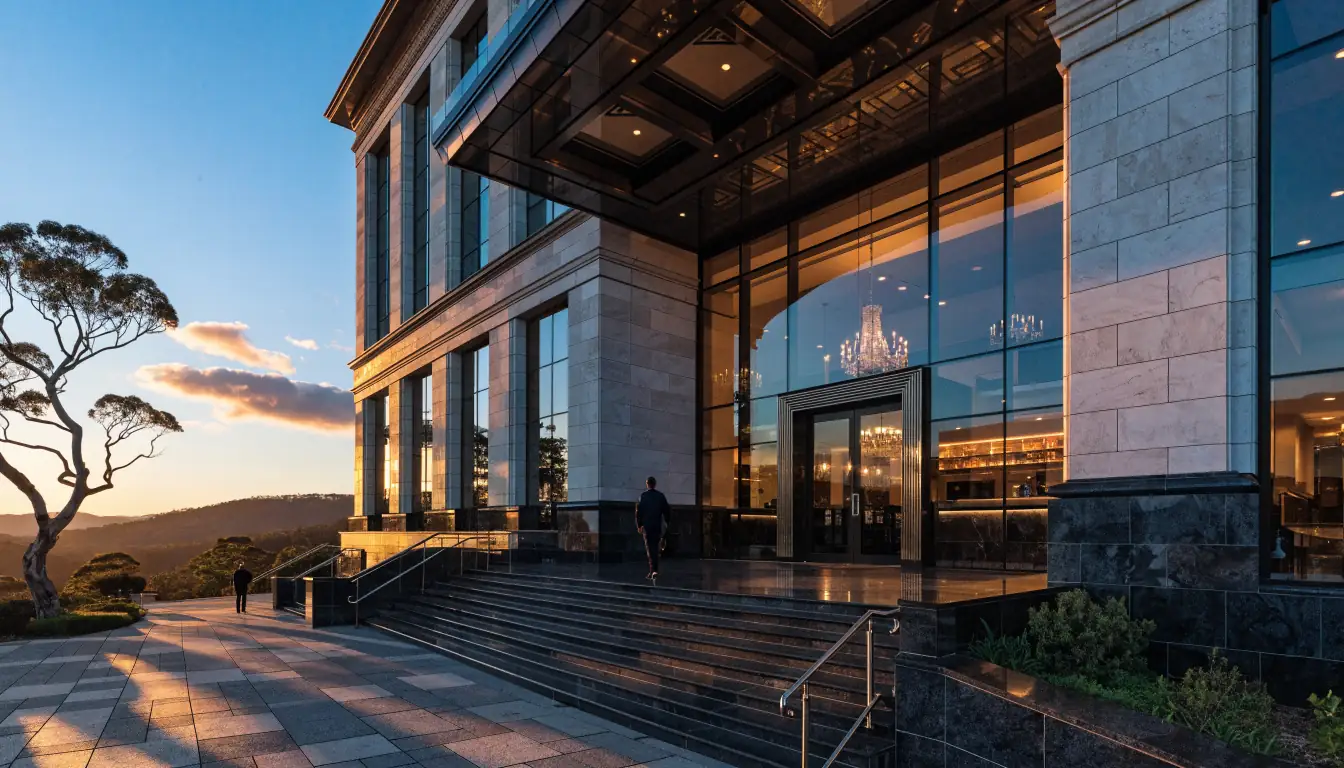
What "customer support" actually means here
Online, the phrase implies live chat, ticketing, dispute escalation. On the gaming floor, support is a person: a supervisor who can explain a rule, a cashier who can check a voucher, security who can point you toward the car park entrance or the nearest lift to the hotel lobby. There’s no chat widget bolted onto a roulette table. If a venue’s website advertises "live chat," check what it actually connects to — often it’s a booking bot for restaurants and concerts, not a channel for gaming complaints.
The regulatory backdrop, briefly
Australia doesn’t run gambling through one national body. Land-based casinos sit under state licensing and inspection regimes, which is why a complaint about table games gets handled locally rather than escalated to a federal desk. Federally, the Australian Communications and Media Authority enforces the Interactive Gambling Act 2001, but its remit is online gambling activity, not the day-to-day running of a physical casino floor. Separately, the Northern Territory Racing Commission functions as the de facto regulator for most national online bookmakers, chasing the lower tax rate the Territory offers — a detail that explains why so many betting operators are headquartered somewhere none of their customers have visited. None of that machinery answers the phone when someone wants to know if the bar stays open late on a concert night. That’s still a front-desk question.
Practical contact points
| Need | Where it’s handled |
|---|---|
| Table game or payout dispute | Floor supervisor, in person |
| Restaurant or show booking | Booking line or email |
| Parking, access, lost property | Concierge or security desk |
| Regulatory complaint | State gaming authority, not the venue |
Worth noting: this venue is a bricks-and-mortar business, not an online operator, so none of the account-verification or deposit rules that govern internet casinos apply to a phone call about tonight’s baccarat tables. Different business, different rulebook.
Opening Hours and Seasonal Operations
Land-based venues like the one this page tracks for best casino in Victoria 2026 don’t run on a script that stays fixed year to year. Floor hours, event calendars, and staffing shift around public holidays, major race days, and whatever the venue’s entertainment booking looks like that quarter. Anyone asking whether the casino is open right now, or when it reopens after a closure, is really asking about a schedule that the operator sets independently and republishes on its own site — not something a third-party ranking page can promise on its behalf.
That’s a deliberate line I draw. A ranking page can tell you how a venue scores on service and reliability. It can’t tell you the gaming floor opens at a specific hour today, because that number changes and nobody hands it to aggregators in advance. "Check the official hours" isn’t a hedge here — it’s the only accurate answer.
What does vary, and why it matters
Seasonal operations at a venue like this typically move around a few pressure points:
- Public holidays — extended hours are common, but so are early closures depending on local licensing conditions.
- Major events — entertainment bookings, launches, or promotional weekends often come with their own opening windows, separate from the standard floor schedule.
- Renovation or reopening periods — venues occasionally shut sections for refurbishment, which is where “reopening” questions usually come from. Again, that’s an operator announcement, not a fixed calendar fact.
None of this touches the physical layout covered elsewhere on this page — the poker rooms, the hotel floors, the dining areas. Those exist whether the doors are open at 10am or midnight. Hours are a timing layer sitting on top of facilities that don’t change shape with the calendar.
Where this sits against the online side
Worth separating two different things people search for under similar wording. Physical casino hours are a state-licensed operator’s business, published and updated by them. Online casino-style gaming — slots, poker, blackjack, roulette — is a different animal entirely. It’s prohibited under the Interactive Gambling Act 2001, and one earlier version of the legislation is sometimes cited as 1997 instead — sources disagree on the year, and I’m not going to quietly pick one for you. Either way, the practical outcome is the same: there’s no domestic online licence covering these games, and no schedule to publish because the product isn’t legally offered here in the first place.
So "opening hours" only means something in the physical-venue sense. Online, there’s no floor to open or close.
The honest gap
Exact daily hours, holiday exceptions, and event-specific timing for any named venue aren’t something this page invents or estimates. "Usually open until late" is a filler phrase, not information. If the schedule matters to a visit being planned, the operator’s own communication channels — the ones already outlined in the contact section — are where that detail actually lives, and where it gets updated first.
Wellness and Spa Services
Walk far enough from the gaming floor and the noise changes register. Machines give way to running water, carpet gives way to tile, and the whole building starts smelling like eucalyptus instead of carpet cleaner and ambition. That’s the day spa, and it’s built to be a separate proposition entirely — not a rest stop between poker sessions, but a destination some visitors book without ever touching a table.
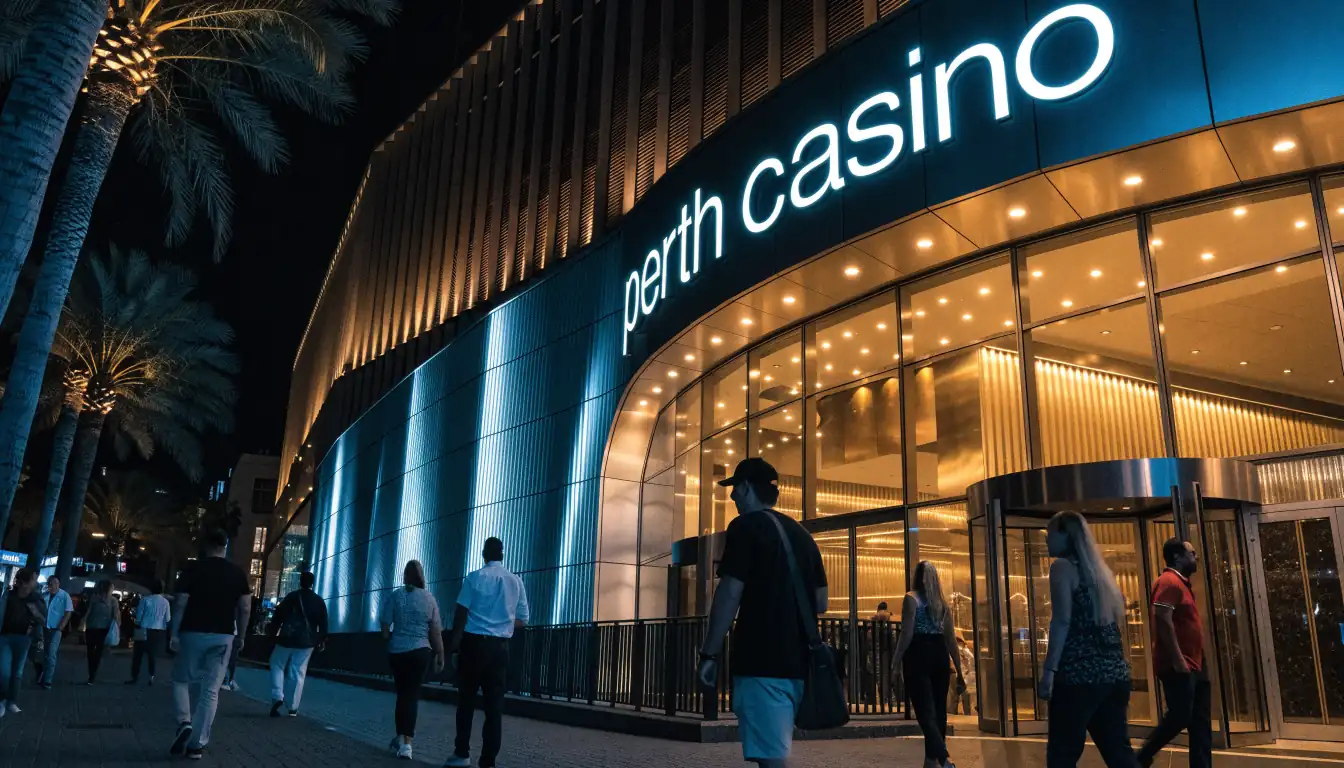
The treatment menu runs through the usual spectrum: massage, facials, body treatments, and packages that bundle two or three services together for people staying the day rather than the hour. Couples’ rooms exist for the pairs who want the same time slot rather than staggered ones. None of this overlaps with what’s on offer at the restaurants or the poker room upstairs — it’s a genuinely different business unit, staffed and run on its own schedule, and it shows in the pacing. Nobody at a spa desk is trying to get you back to a table faster.
Relaxation areas outside the treatment rooms function as a quiet buffer zone — lounges, sometimes a pool or steam facility, spaces designed to keep the transition from "just had a massage" to "back in the taxi queue" from feeling too abrupt. That’s worth knowing if the plan is to combine a treatment with a night at the tables: budget the extra time, because the whole point of the space is that it doesn’t rush.
Access age matches the rest of the property. Minimum age to access casino offers is 18 years, and the spa sits under the same roof and the same age policy — it’s not a family wellness centre attached to a casino, it’s a casino amenity that happens to be quiet.
Booking around a casino visit
A few practical notes worth carrying in:
- Treatments are typically booked ahead rather than walked into, especially around weekends when the floor itself is busiest.
- Packages that combine multiple services run longer than a single massage slot — plan the rest of the visit accordingly.
- The spa operates on its own hours, separate from gaming floor hours, so checking availability directly is more reliable than assuming casino opening times apply.
None of that is exciting copy, and it’s not meant to be. The spa’s whole job is to be the calm counterpart to a floor built on adrenaline. Different pace. Different purpose. Worth treating as its own trip, not an afterthought squeezed between a buffet meal and a blackjack table.
Restaurant Choices Within the Casino
A buffet fills you up. A full-service restaurant is a different transaction entirely — you’re paying for someone to bring courses to a table, for a wine list, for a room with an atmosphere someone actually designed on purpose. Victoria’s casino floor keeps both, and mixing them up in a booking is how people end up disappointed on their anniversary.
The full-service line-up covers the range you’d expect from a property built to hold gamblers on-site for a full evening: a steakhouse-style grill for the occasion diners, an Asian kitchen doing the noodle-and-dim-sum register, an Italian room leaning on pasta and a longer wine list than the rest of the floor, and a seafood counter that trades on freshness rather than volume. None of these compete with the buffet on price — they’re not trying to. They compete on the idea that you booked a table, not grabbed a tray.
Atmosphere is the actual product being sold here, more than the food itself. The steakhouse goes dark wood and low light, the kind of room built for a deal being closed over dessert. The Italian room is brighter, louder, meant for a group that wants to talk over each other. The seafood restaurant sits closer to any water-facing side of the building it can get, because that view is doing marketing work the kitchen doesn’t have to.
What Actually Separates a Restaurant From the Buffet
- Booking: full-service rooms take reservations; the buffet and food court don’t need them.
- Service style: a waiter runs your table; nobody’s carrying a tray back and forth themselves.
- Menu shape: fixed courses and a wine or cocktail list, not a rotating spread.
- Pace: you’re there for the evening, not for a fast refuel between the tables and a show.
None of this makes the "fine dining" label on the casino’s own signage entirely honest — some of these rooms are fine dining in the genuine sense, plate design and all; others are a slightly dressed-up version of the same kitchen doing the food court’s job with tablecloths added. Worth checking which is which before booking for something that matters.
The rooftop bar sits adjacent to this cluster rather than inside it — a drinks-and-small-plates operation with a view, better suited to starting a night than finishing a meal. It’s not a restaurant in the booking sense, but it gets grouped with them in casino marketing because "rooftop" photographs well.
None of these rooms overlap with the breakfast service or the buffet spread covered elsewhere — different kitchens, different staff, different reason to walk in.
Food Court and Pool Area
Not every visit calls for a tablecloth. The food court exists for the version of a casino trip that’s really about the pokies, or the tables, and where eating is just a pause between sessions. Quick-service counters, grab-and-go setups, a place to sit down with a tray for twenty minutes and get back to the floor. It’s the least "designed" part of the property, and that’s the point — nobody’s trying to sell you an experience here, just a meal that doesn’t eat into your time.
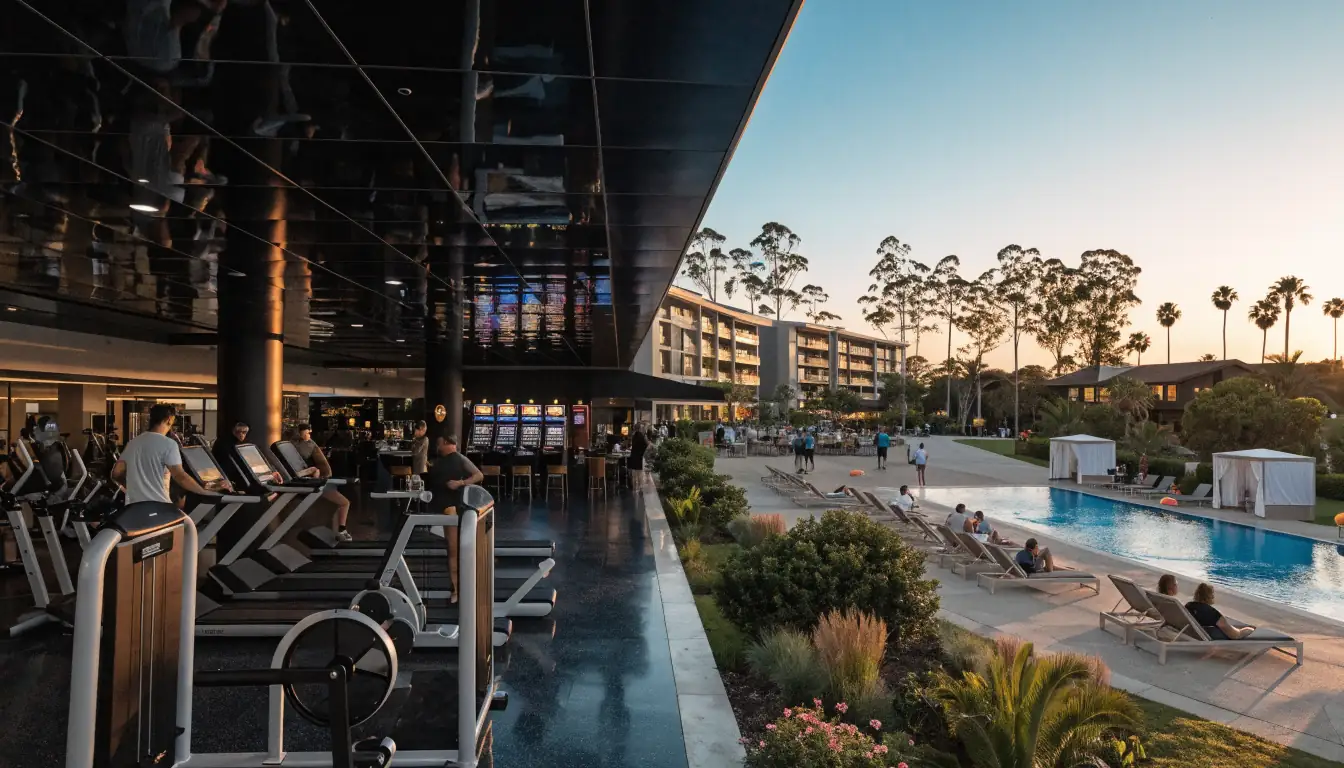
The pool area works on a similar logic, but for a different crowd. It’s less about gambling at all and more about the stay-and-relax side of things: guests who booked the hotel first and treated the casino floor as an option rather than the reason. A pool doesn’t generate the kind of revenue a gaming floor does, so where a property maintains one, it tends to read as a signal about who they’re trying to attract — families, longer-stay guests, people building a weekend around more than one activity.
Neither space competes with the sit-down restaurants or the spa. They’re not trying to. Australians collectively lost $31.5 billion gambling in 2022–23, on bets totalling $244.3 billion — numbers that make clear where a casino’s actual business sits. Food courts and pools are the parts that keep people comfortable in between. Amenities, not attractions.
Are online casinos legal in Australia in 2026?
No. Online casino games, including slots, poker, blackjack and roulette, are prohibited under the Interactive Gambling Act 2001, and no licence can be obtained to operate an online casino domestically. However, it is not illegal for individual Australians to play at offshore-licensed online casinos — the law targets operators, not players.
Is online gambling legal in Australia?
Partly. Online sports betting is legal under state and territory licences, and live betting by phone is allowed, but online casino, poker and in-play betting are prohibited federally under the Interactive Gambling Act 2001, enforced by the Australian Communications and Media Authority (ACMA).
What is the minimum legal gambling age in Australia?
18 years is the minimum age to access casino offers.